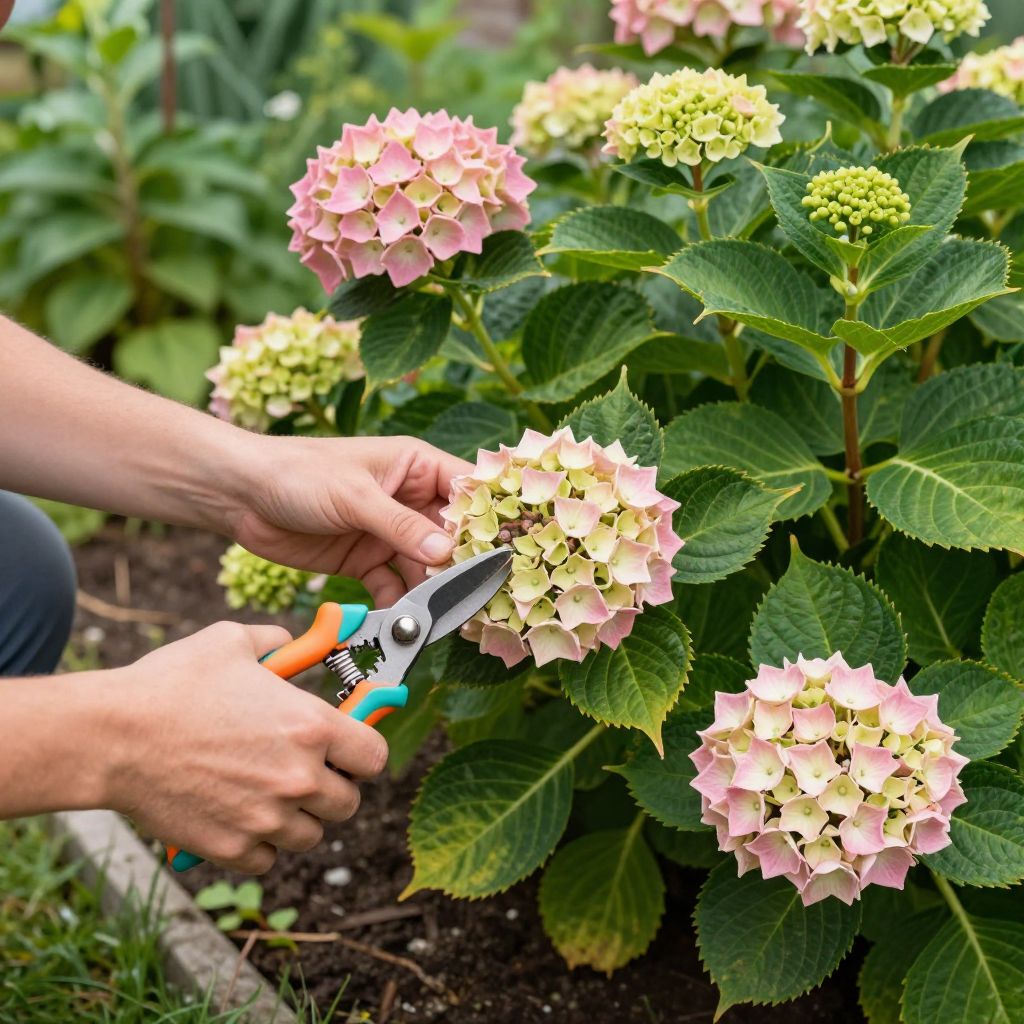
Do you deadhead hydrangeas? In many cases, yes—but not always, and timing matters. Deadheading can improve the look of the plant, keep it tidy, and sometimes encourage better energy use, but it usually won’t create a whole new flush of flowers the way it can with some other shrubs.
The trick is knowing which hydrangea you grow and when to remove spent blooms. Some types bloom on old wood, some on new wood, and the wrong cut at the wrong time can remove next season’s flower buds.
Do you deadhead hydrangeas?
Yes, you can deadhead hydrangeas to remove faded flowers and improve appearance. For most gardeners, deadheading is optional maintenance, not a requirement. It helps the shrub look neat and can prevent the plant from putting energy into seed production, but it does not usually change the plant’s basic blooming habit.
Why deadheading hydrangeas can help
Deadheading is mainly about plant care and appearance. Hydrangea blooms often dry on the stem and stay attractive for weeks, but eventually they turn brown or papery.
Benefits of deadheading
- Keeps shrubs looking tidy in borders and foundation plantings
- Reduces the weight of spent flower heads on some varieties
- Helps you spot new growth, pests, or disease more easily
- Can prevent self-seeding in rare cases, though this is not usually a major issue
When deadheading is less important
Some gardeners leave the dried flower heads on hydrangeas through fall and winter because they add structure to the garden and look attractive with frost or snow. If you like that winter interest, you can wait until late winter or early spring to clean them up.
How to deadhead hydrangeas the right way
Deadheading hydrangeas is simple, but you should cut carefully. The goal is to remove only the spent bloom, not the developing buds below it.
- Use clean, sharp hand pruners or snips.
- Follow the flower stem down to the first set of healthy leaves or a strong pair of buds.
- Make a clean cut just above that point.
- Remove only the dead flower head and any obviously damaged stem tip.
Do not shear the whole shrub just to remove the flowers unless you know the species and its pruning needs. Many hydrangeas set next year’s buds on older stems, so heavy cutting can reduce flowering.
A simple rule for beginners
If you are unsure, cut only the flower head and a short section of stem below it. That is usually enough for deadheading without risking the next round of buds.
Which hydrangeas should you deadhead carefully?
Different hydrangea types bloom differently, and that affects how much you should cut back after flowering. If you do not know the cultivar, identify the plant as best you can before making large pruning cuts.
Bigleaf hydrangea and oakleaf hydrangea
Hydrangea macrophylla and Hydrangea quercifolia often bloom on old wood, meaning flower buds may already be forming on stems from the previous season. You can deadhead the spent flowers, but avoid cutting deeply into the stem unless you are sure it is safe for that variety.
Panicle hydrangea and smooth hydrangea
Hydrangea paniculata and Hydrangea arborescens bloom on new wood, so they are more forgiving. Deadheading is still optional, but these types tolerate stronger pruning better than old-wood bloomers.
Why this matters
If you prune old-wood bloomers too late in the season, you may remove the buds that would have opened next year. That is the most common mistake gardeners make when they ask, “Do you deadhead hydrangeas?”
Best time to deadhead hydrangeas
The best time is when the flowers begin to fade, turn brown, or lose their shape. In many gardens, that means midseason through late summer, but local climate and weather can shift the timing.
Seasonal approach
- Spring: Remove old flower heads if you left them for winter interest, but be gentle if buds are already swelling.
- Summer: Deadhead after blooms fade to keep the shrub looking fresh.
- Fall: You may leave flowers in place if you want dried blooms for winter structure.
- Winter: In colder regions, leaving spent blooms can help protect and visually frame the plant, though it is not essential.
If your hydrangea is stressed by heat, drought, or transplant shock, focus on watering and general care first. Deadheading is lower priority than helping the plant recover.
How deadheading differs from pruning
Deadheading removes faded flowers. Pruning changes the shape, size, or age of the shrub. The two tasks are related, but they are not the same.
Deadheading
This is a light cleanup cut. You remove the spent bloom and maybe a short section of stem.
Pruning
This may involve thinning old stems, shortening branches, or removing weak growth. Pruning should be done according to the hydrangea type and the time of year.
Tip: If your only goal is to remove brown flowers, keep the cut small and precise.
Common mistakes to avoid
Hydrangeas are forgiving shrubs, but a few simple mistakes can reduce flowering or damage the plant’s shape.
- Cutting too far down the stem on old-wood bloomers
- Using dull tools that crush stems instead of making clean cuts
- Deadheading during a period of active bud formation without checking where buds are located
- Removing all stems in a blanket cut, which can eliminate next season’s blooms
- Confusing deadheading with hard pruning
If the shrub is overgrown, handle deadheading first and save major pruning for the correct season for that species.
Tools and technique for clean cuts
Good tools make deadheading easier and reduce the chance of disease spreading between plants.
What to use
- Bypass hand pruners for most stems
- Small snips for delicate flower stems
- Disinfectant or rubbing alcohol for cleaning blades between plants if disease is present
How to make the cut
Cut at a slight angle just above a healthy leaf node or bud. A clean cut sheds water better than a torn stem and looks neater in the garden.
Should you leave hydrangea blooms on for winter?
Many gardeners do. Dried hydrangea heads can add texture to the winter landscape, especially in mixed borders, cottage gardens, and woodland-style plantings.
Leaving blooms in place is especially useful if you want seasonal interest or if you garden in a colder area where winter structure matters. Just remove them in late winter or early spring before new growth starts, unless your hydrangea type needs different timing.
What if your hydrangea is not blooming well?
Deadheading alone will not fix poor flowering. If blooms are sparse, look at the plant’s growing conditions and recent care.
Check these factors
- Sunlight: Most hydrangeas flower best with morning sun and afternoon shade, though some types tolerate more sun in cooler climates.
- Water: Dry soil can stress the plant and reduce bloom quality.
- Soil drainage: Hydrangeas like moisture, but not soggy roots.
- Pruning timing: Cutting old wood at the wrong time can remove flower buds.
- Winter damage: Cold snaps can kill buds on some varieties.
If the plant is healthy but not blooming, the issue is often pruning timing or winter bud damage rather than deadheading.
Hydrangea care basics that support better blooms
Healthy hydrangeas are easier to deadhead and more likely to flower well. Good care supports strong stems, leaf growth, and bud formation.
Soil and mulch
Hydrangeas do best in rich, well-drained soil with plenty of organic matter. A layer of compost or leaf mold worked into the planting area can improve soil structure, while mulch helps hold moisture and moderate temperature.
Watering
Water deeply when the top layer of soil begins to dry, especially during hot weather or the first growing season after planting. Avoid frequent shallow watering, which encourages weak roots.
Sun exposure
Most hydrangeas prefer bright light with some protection from harsh afternoon sun. In cooler climates, more sun may be fine; in hotter areas, too much sun can scorch leaves and fade blooms quickly.
Propagation and cleanup after deadheading
Deadheading is a good time to inspect the plant for healthy stems you might later use for propagation, but take cuttings only from vigorous growth and at the right season for your climate and hydrangea type.
Also remove any stems that are clearly dead, broken, or diseased. This improves airflow and helps you notice problems early.
Watch for pests and disease while you deadhead
As you clean up faded blooms, look closely at leaves and stems. Deadheading gives you a close-up view of the plant, which makes it easier to catch issues early.
Common issues to notice
- Powdery mildew on leaves
- Leaf spots after wet weather
- Aphids on tender new growth
- Stem dieback or broken branches
If you see disease, remove only the affected material and dispose of it according to local garden sanitation practices. Clean your tools after use.
Quick answer: should you deadhead hydrangeas every year?
You do not have to deadhead hydrangeas every year, but it is often a good maintenance habit. If you want a tidier plant, remove faded flowers during the season. If you prefer dried blooms for winter interest, wait until late winter or early spring.
The most important thing is to avoid cutting into next season’s buds on old-wood types. When in doubt, make the smallest effective cut and let the plant keep its natural shape.
If you want to keep learning about hydrangea care, it also helps to read about how to prune hydrangeas correctly and general hydrangea growing care so you can match deadheading with the right seasonal routine.