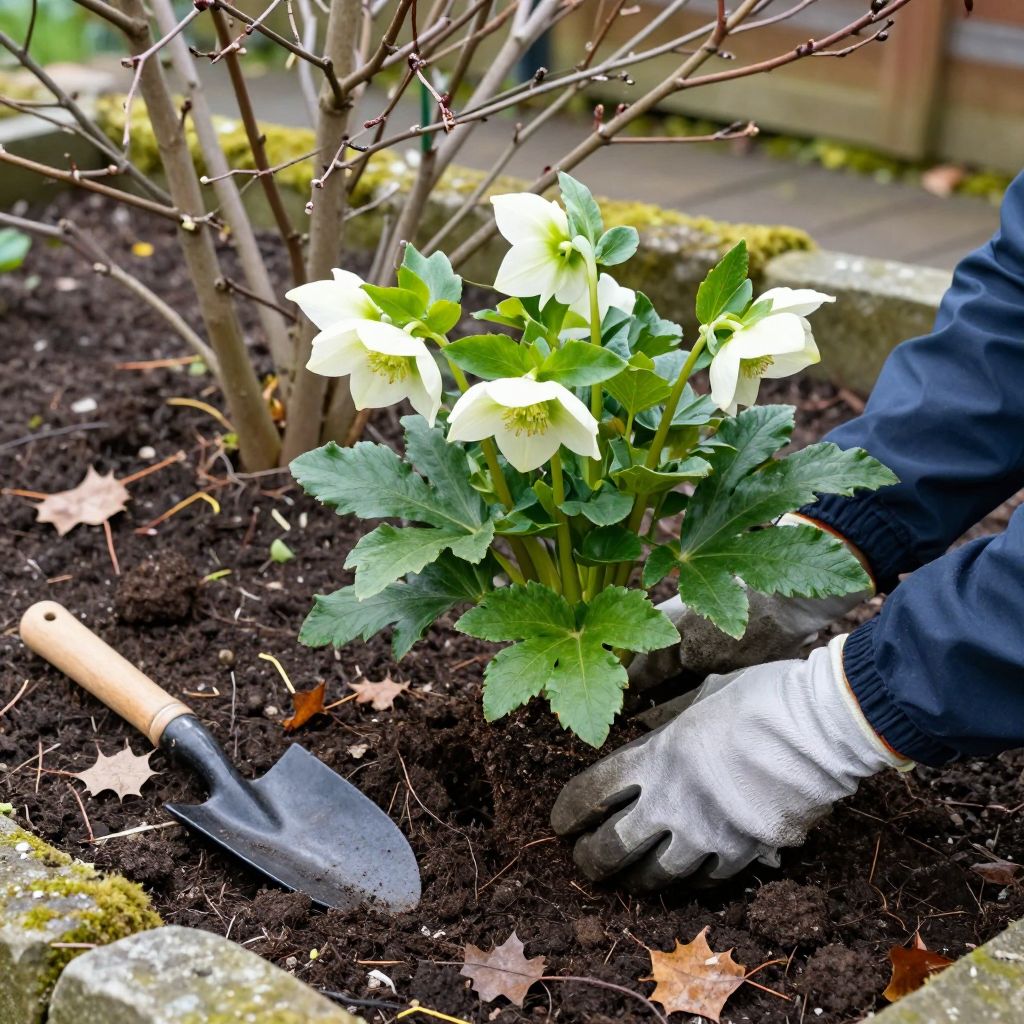
Wondering when to plant hellebores so they settle in well and flower reliably? The best time is usually early autumn in cooler climates, or early spring if autumn planting isn’t possible. Hellebores establish best when the soil is workable, temperatures are mild, and roots have time to grow before summer heat or winter freezes.
These long-lived perennials reward good timing with stronger growth, better flowering, and less transplant stress. If you match planting time to your climate and give them the right soil and shade, hellebores can become one of the easiest plants in the garden.
When to plant hellebores?
The best time to plant hellebores is in autumn, about 6 to 8 weeks before hard frost, so roots can establish while the soil is still warm. In mild climates, late winter to early spring also works well. Avoid planting in frozen ground, during heat waves, or when the soil is waterlogged.
Why autumn is usually best
Autumn planting gives hellebores a long, cool rooting period before the growing season starts. That usually means less transplant shock and better flowering the following year.
Because hellebores grow slowly, they appreciate time to settle in. A plant installed in autumn often has a stronger root system by spring than one planted during active growth or summer stress.
When spring planting makes sense
Plant hellebores in spring if your winters are severe, your soil is too wet in autumn, or you missed the fall window. Spring planting is also a good choice for container-grown plants from a nursery that can be set out as soon as the ground can be worked.
Just remember that spring-planted hellebores may need extra attention through their first summer, especially if temperatures rise quickly.
When not to plant
- During summer heat, when young roots dry out too quickly.
- In frozen or saturated soil, which can damage roots and reduce oxygen.
- Right before a hard freeze, unless you can protect the planting area.
- When the plant is actively stressed, such as wilting in a pot or showing root rot.
Choosing the right site for hellebores
Hellebores do best in partial shade to light shade, though many tolerate more sun in cool climates if the soil stays evenly moist. Morning sun and afternoon shade is often ideal.
They prefer rich, well-drained soil with plenty of organic matter. A neutral to slightly alkaline soil is often suitable, but the most important factor is good drainage and consistent moisture without sogginess.
Soil preparation before planting
Before planting, loosen the soil to a depth of about 12 to 15 inches if possible. Mix in compost or well-rotted leaf mold to improve structure and moisture retention.
- Work in organic matter, especially in heavy clay or very sandy soil.
- Remove large stones, old roots, and weeds.
- If drainage is poor, consider planting in a raised bed or a slightly mounded area.
Good drainage matters more than rich soil alone. Hellebores can struggle in wet, compacted ground even if it contains plenty of nutrients.
How to plant hellebores correctly
Plant hellebores at the same depth they were growing in the pot, or with the crown just at soil level. Planting too deeply can slow growth and increase rot problems.
- Water the plant in its pot before planting.
- Dig a hole wider than the root ball, but not much deeper.
- Mix compost into the backfill soil if needed.
- Set the crown level with the surrounding soil.
- Backfill gently and firm the soil lightly.
- Water thoroughly to settle the roots.
- Mulch lightly, keeping mulch away from the crown.
If you are planting several hellebores, space them according to mature size so air can move between plants. Good spacing helps reduce leaf spot and makes maintenance easier.
Container-grown plants vs. bare-root plants
Most home gardeners buy hellebores in pots, which can be planted whenever the weather is suitable. Bare-root hellebores are less common, but they should be planted while dormant or just as growth resumes, depending on the supplier’s instructions.
With either type, the key is to keep roots from drying out and to avoid planting during extreme weather.
Watering after planting
Water hellebores deeply after planting, then keep the soil lightly moist while they establish. The goal is even moisture, not constant wetness.
Check the top few inches of soil rather than watering on a fixed schedule. In cool weather, hellebores may need little extra water; in sandy soil or during dry spells, they may need more frequent attention.
- Water when the top 1 to 2 inches of soil feel dry.
- Water at the base of the plant, not over the foliage if possible.
- Reduce watering in winter if the soil stays damp.
Newly planted hellebores are more vulnerable to drought than established plants. Once rooted in, they become fairly resilient, but they still perform best with steady moisture.
Sunlight, temperature, and seasonal care
Hellebores are cool-season plants. They often grow best when temperatures are mild, which is why planting in autumn or early spring works so well.
In colder regions, a site with winter sun and summer shade can be ideal. In warmer regions, more shade helps protect leaves from scorch and reduces stress during hot spells.
Mulching for seasonal protection
A 2- to 3-inch layer of organic mulch can help conserve moisture and moderate soil temperature. Use shredded leaves, compost, or fine bark, but keep mulch a few inches away from the crown.
Too much mulch packed against the plant can trap moisture and encourage rot.
Common mistakes to avoid
Hellebores are forgiving, but a few planting mistakes can slow them down for months.
- Planting too deeply, which can lead to poor growth and crown issues.
- Choosing a wet site, especially in heavy clay soil.
- Moving them too often, since they dislike repeated disturbance.
- Placing them in full hot sun in warmer climates.
- Letting young plants dry out during the first season.
If a hellebore seems slow to establish, check the planting depth first. Crown placement is one of the most common reasons a plant fails to thrive.
Pruning and maintenance after planting
Hellebores do not need heavy pruning, but a little cleanup helps them look better and stay healthier. Remove damaged or old leaves in late winter or early spring if they are tattered or diseased.
Many gardeners also trim away old foliage before flowers emerge so the blooms are easier to see. Use clean, sharp pruners and avoid cutting new flower stems.
Feeding hellebores
If your soil is already rich in organic matter, hellebores may need little extra feeding. A light top-dressing of compost in spring is often enough for established plants.
Avoid overfertilizing, which can encourage lush leaf growth at the expense of flowers and may make plants more prone to soft growth.
Pests and diseases to watch for
Healthy hellebores are usually trouble-free, but a few issues can appear, especially in crowded or poorly drained plantings.
- Leaf spot: remove badly affected leaves and improve airflow.
- Slugs and snails: watch young growth and flowers in damp weather.
- Aphids: sometimes gather on new growth or flower stems.
- Crown or root rot: usually linked to soggy soil or planting too deeply.
Good spacing, clean tools, and proper drainage prevent many problems before they start. If disease becomes a repeat issue, reassess the site rather than simply treating symptoms.
Can you divide or move hellebores?
Hellebores dislike disturbance, so division is not usually the first choice. If you must move one, do it in cool weather, ideally in early autumn or early spring, and keep as much root intact as possible.
Seed-grown plants may also self-sow if conditions suit them. You can transplant young seedlings when they are large enough to handle, but expect them to take time to mature.
How to tell if your hellebore is established
A newly planted hellebore is established when it starts producing steady new growth and no longer wilts quickly in dry weather. This often takes one growing season, sometimes longer in poor soil or harsh climates.
Once established, hellebores are low-maintenance perennials that can return year after year with only light cleanup and occasional watering during dry spells.
Quick planting checklist
- Choose a cool planting window: autumn first, spring if needed.
- Pick partial shade and well-drained soil.
- Improve soil with compost or leaf mold.
- Plant the crown at soil level.
- Water well and mulch lightly.
- Keep the plant evenly moist while it establishes.
Final thoughts
If you want the best results, plant hellebores in autumn whenever your climate allows, or in early spring if that is the safer option. Focus on cool weather, good drainage, and correct planting depth, and your plants will have a much better start.
For more seasonal planting guidance, you may also find it helpful to read about growing hellebores and other perennial planting tips.