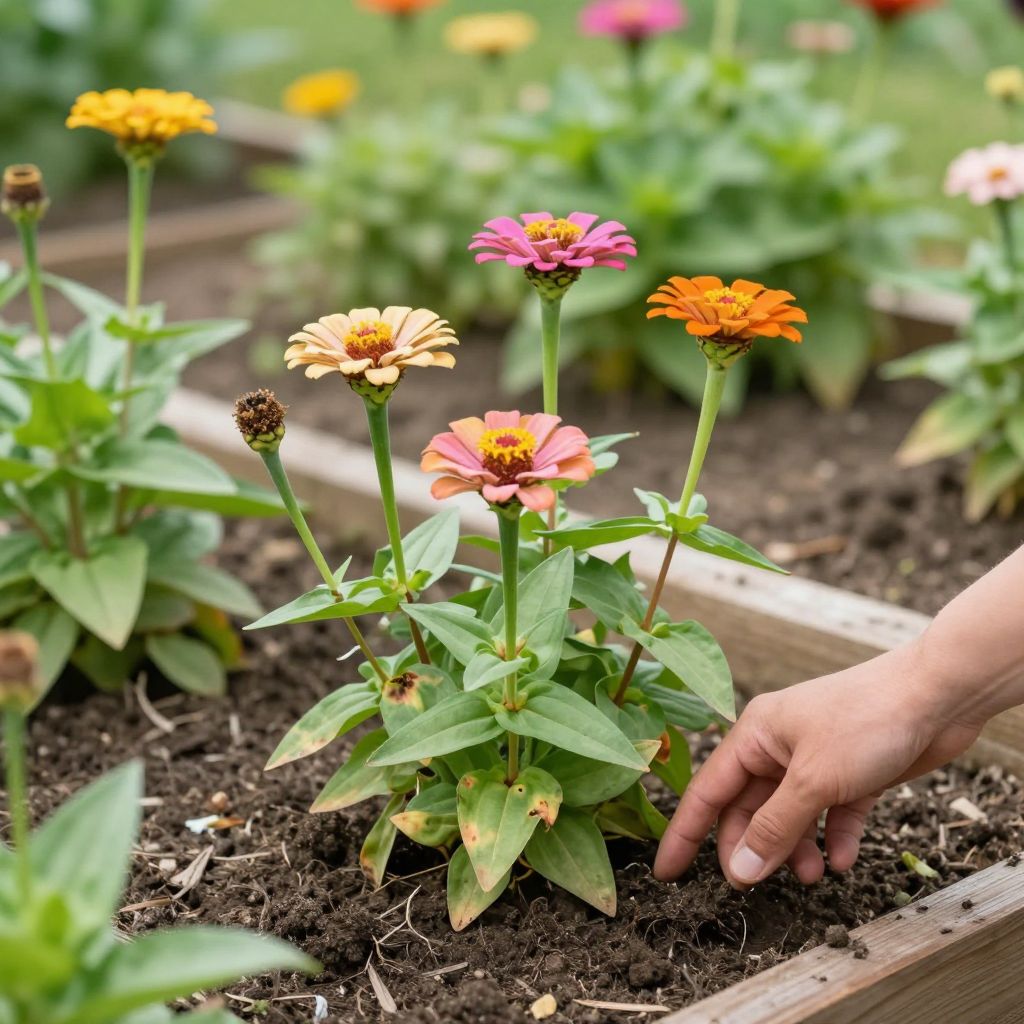
Do zinnias come back every year? Many gardeners hope these bright, easy flowers will return on their own, especially after a long summer of blooms. The short answer depends on your climate: zinnias are usually grown as annuals, so they complete their life cycle in one season in most gardens.
That said, they can sometimes reseed themselves if conditions are right, and in frost-free areas they may persist longer than expected. If you want reliable color year after year, it helps to understand how zinnias grow, when they die back, and how to collect seed for replanting.
Do zinnias come back every year?
Zinnias are tender annuals, not true perennials, so they usually do not come back from the same plant the following year. In warm climates they may survive longer, but frost, cold soil, and aging plants usually end the season. The good news is that zinnias often self-seed, and saved seed is easy to replant.
Why zinnias usually don’t return
Zinnias, including common garden zinnia types such as Zinnia elegans, are bred to grow fast, flower heavily, set seed, and finish their life cycle in one season. Once cold weather arrives, the plant tissue is damaged and the plant dies back.
Annual vs. perennial growth
- Annuals grow, bloom, set seed, and die in one season.
- Perennials survive winter and regrow from roots or crowns.
- Zinnias are generally treated as annuals in home gardens.
What happens after frost
Even a light frost can blacken zinnia foliage and stop flowering. A hard freeze usually ends the plant completely. If you live in a mild climate, plants may linger longer, but they still tend to decline after months of bloom and seed production.
Can zinnias reseed themselves?
Yes, zinnias can reseed if you let some flowers dry on the plant and the seeds drop into suitable soil. In some gardens, volunteer seedlings appear the next spring or early summer. This is not guaranteed, but it is a simple way to encourage repeat zinnias without replanting every seed yourself.
What self-seeding depends on
- Enough time for blooms to mature into seed heads
- Soil contact for the dropped seed
- Open, sunny conditions
- Winter weather that does not destroy all seed before spring
- Minimal disturbance of the planting area
Self-seeded zinnias may not come back exactly where you want them, and seedlings can be less uniform than named varieties. Still, they are often worth encouraging if you enjoy a natural, low-effort look.
How to get zinnias back next year
If you want zinnias every season, the most dependable method is to save seed or sow fresh seed each year. Zinnias are one of the easiest flowers to grow from seed, so you can usually replace plants without much trouble.
Step 1: Let a few blooms mature
- Choose healthy flowers that have finished blooming.
- Leave them on the plant until the petals dry and the center becomes brown and papery.
- Allow the seed head to dry further if the weather is damp.
Step 2: Harvest the seed
Snip the dried flower head and break it apart over a tray or paper bag. Zinnia seeds are usually narrow and pointed, and they separate fairly easily once the flower is fully dry.
Step 3: Store seed correctly
- Keep seeds in a cool, dry place.
- Use a paper envelope or breathable packet, then place that in a sealed container if humidity is high.
- Label the variety and year collected.
Stored seed should stay dry until planting time. Moisture is the biggest enemy of saved seed, so avoid plastic bags unless the seed is fully dry and protected from condensation.
Best growing conditions for strong zinnias
Healthy zinnias bloom longer, set better seed, and are less likely to fail early. Give them full sun, warm weather, and well-drained soil. They do best when roots are not sitting in wet ground.
Sunlight
Zinnias need full sun, which usually means at least 6 to 8 hours of direct light daily. In partial shade, they may grow leggy, bloom less, and be more prone to mildew.
Soil and drainage
Loose, fertile soil with good drainage is ideal. If your soil is heavy clay, mix in compost to improve structure, but avoid making it too rich or soggy. Zinnias prefer soil that drains well after rain or watering.
Spacing
Good air circulation helps reduce disease. Space plants according to the mature size of the variety, and avoid crowding them just to get a fuller look. Overcrowding often leads to powdery mildew and weaker stems.
Care tips that help zinnias last longer in the garden
While the plant itself will not return year after year, good care can extend the bloom season and improve the chance of self-seeding. Focus on steady but not excessive moisture, clean growth, and regular deadheading.
Watering
Water at the base of the plant when the soil begins to dry. Deep watering is better than frequent light sprinkling because it encourages stronger roots. Try to keep foliage dry when possible, especially in humid weather.
Deadheading
Remove faded flowers regularly to encourage more blooms. If you want seeds, leave a few flowers uncut near the end of the season so they can dry and mature.
Feeding
Zinnias usually do not need heavy feeding. Too much nitrogen can create lots of leaves and fewer flowers. If your soil is poor, a light application of compost before planting is often enough.
Common problems that shorten zinnia life
Several issues can make zinnias decline before frost. Most are preventable with good spacing, proper watering, and prompt cleanup of damaged growth.
Powdery mildew
This common fungal problem looks like a white coating on leaves. It is more likely in crowded plantings, humid weather, or when plants are watered overhead. Remove badly affected leaves, improve airflow, and avoid wetting the foliage late in the day.
Leaf spot and rot
Spots, yellowing, and collapsing stems can follow prolonged wet conditions. Drainage matters here. If your soil stays wet, consider raised beds or containers with drainage holes.
Pests
Aphids, spider mites, and caterpillars may feed on zinnias. Check new growth and leaf undersides regularly. A strong spray of water can dislodge small infestations, while hand-picking or insecticidal soap may help with persistent soft-bodied pests.
How to propagate zinnias for next season
The easiest way to propagate zinnias is by seed. Cuttings are not the usual home-garden method, and they are generally less practical than sowing seed directly.
Direct sowing
In warm weather, zinnia seed can be sown directly where the plants will grow. Wait until your soil is warm enough for good germination and all danger of frost has passed in your area. Because climate varies, check local conditions rather than relying only on calendar dates.
Starting indoors
If your growing season is short, you can start seeds indoors and transplant carefully after weather warms. Use a light seed-starting mix and avoid disturbing the roots too much when moving seedlings outdoors.
What to do at the end of the season
When zinnias begin to fade, you can decide whether to clear the bed or leave some seed heads in place. If you want volunteers next year, leave a few healthy flowers to dry naturally. If disease has been a problem, remove and discard infected plants instead of composting them.
End-of-season cleanup checklist
- Collect mature seed heads from healthy plants
- Remove diseased foliage and spent stems
- Clear debris if mildew or leaf spot was severe
- Top-dress the bed with compost if you plan to replant
Best ways to enjoy zinnias year after year
If your goal is repeated color, think of zinnias as a replanting flower rather than a returning perennial. The simplest strategy is to save seed from your best plants and sow them again each warm season. That gives you dependable blooms and lets you keep the varieties you like most.
For more flower-garden planning and seasonal care ideas, you may also want to read about how to grow annual flowers from seed and common summer flower diseases and fixes.