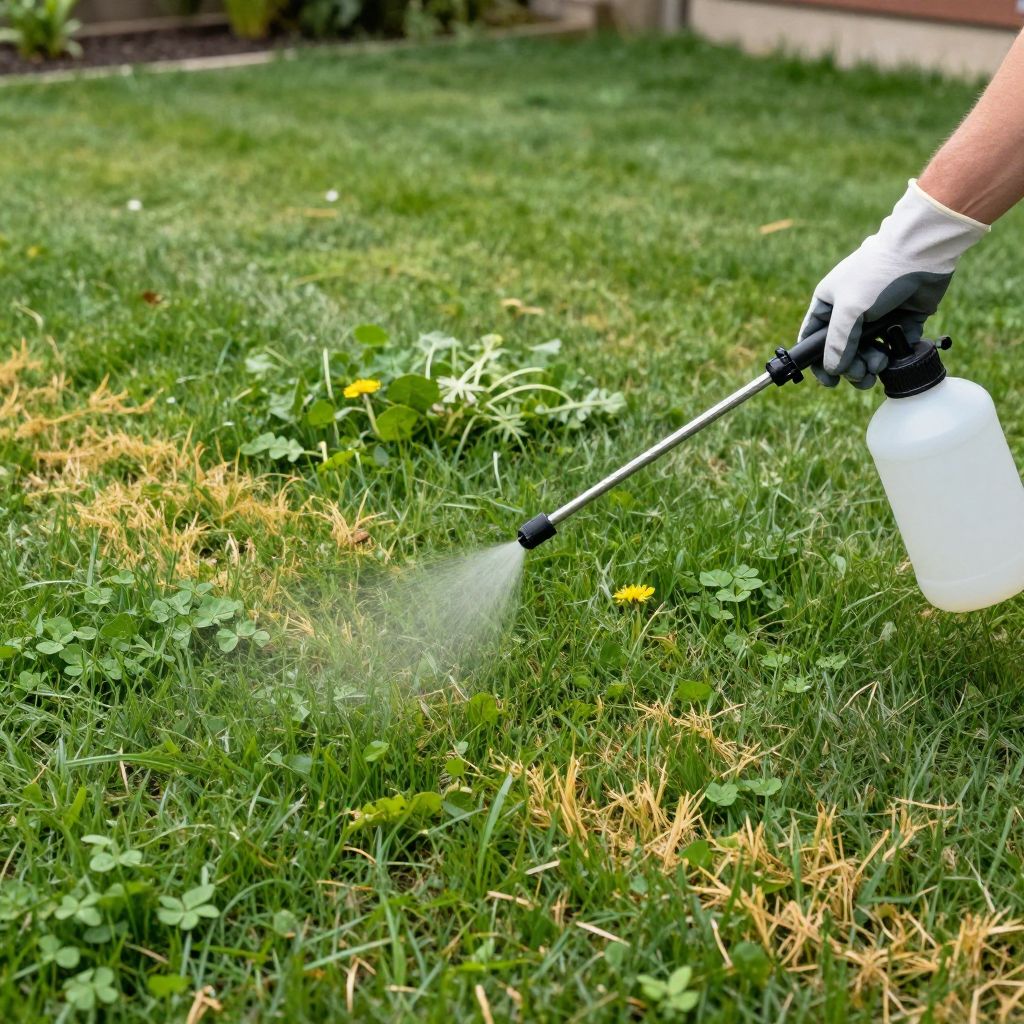
Does weed killer kill grass? In many cases, yes—especially if the product is not designed for lawns or if it drifts onto desirable turf. The answer depends on the type of herbicide, the grass species, the application rate, and whether the product is selective or non-selective.
If you want to protect your lawn, the safest approach is to identify the weed killer first and read the label carefully. A small mistake can lead to yellowing, thinning, or dead patches, but the right product used correctly can remove weeds without harming healthy grass.
Does weed killer kill grass?
Yes, some weed killers will kill grass, while others are made to target weeds without harming turf. Non-selective herbicides kill most plants they touch, including grass. Selective lawn weed killers are formulated to control broadleaf weeds while leaving many turf grasses unharmed when used as directed.
Why some weed killers harm grass and others do not
The key difference is how the herbicide works. Some products affect nearly all green plants, while others are designed to interfere with specific weed types, such as broadleaf weeds like dandelion, clover, and plantain.
Non-selective herbicides
These products are useful for driveways, patios, fence lines, and areas where you want to remove all vegetation. If sprayed on a lawn, they can kill the grass along with the weeds.
Selective herbicides
These are commonly sold as lawn weed killers. They are intended to remove certain weeds from turfgrass, but they still can damage grass if the lawn is stressed, the product is misapplied, or the grass species is sensitive.
Pre-emergent herbicides
Pre-emergents do not usually kill established grass. Instead, they stop weed seeds from germinating. They can be useful for crabgrass prevention, but they must be applied at the right time for your climate and weed pressure.
When weed killer is most likely to damage grass
Even a lawn-safe product can cause injury if conditions are poor or the application is careless. Grass under stress is more vulnerable, and the wrong product can leave lasting damage.
- Using a non-selective herbicide on turfgrass
- Applying too much product or overlapping spray passes
- Spraying during hot, dry, or windy weather
- Hitting newly seeded or newly sodded areas before they are established
- Using a product not labeled for your grass type
- Applying herbicide to drought-stressed, diseased, or recently mowed turf
Grass species matters
Not all lawns respond the same way. Some turfgrasses tolerate certain herbicides better than others, so the label matters more than general advice. If you are unsure whether your lawn is cool-season or warm-season turf, check the grass type before choosing a product.
How to tell if your lawn has herbicide damage
Herbicide injury often appears within hours to a few days, depending on the product. Watch for discolored blades, twisted growth, spotting, or dead patches that match the spray pattern.
- Yellowing or bronzing of the grass blades
- Curled, twisted, or distorted new growth
- Brown patches that follow spray lines or drift patterns
- Thin areas where turf stops growing after treatment
- Uneven damage near sidewalks, beds, or windy edges
Some symptoms can look like drought stress, fertilizer burn, or disease, so compare the pattern and timing. Herbicide damage often looks sudden and follows where the product was applied.
How to use weed killer without killing grass
If you want to control weeds in a lawn, careful application is essential. The goal is to treat the weed while minimizing contact with the turf.
- Read the label completely before opening the container.
- Confirm the product is labeled for your grass type and the weeds you want to control.
- Apply only when the lawn is healthy, not wilted or drought-stressed.
- Use calm weather to reduce drift onto flower beds and desirable grass.
- Measure the area accurately so you do not overapply.
- Keep children and pets off the lawn for the label-specified reentry period.
- Water only if the label says to do so after application.
Spot-treat when possible
For isolated weeds, spot treatment is usually safer than blanket spraying the whole lawn. A targeted application reduces the chance of turf injury and saves product.
Avoid mowing right before or after treatment
Mowing can stress grass and reduce leaf area for herbicide absorption. In many cases, it is better to mow a day or two before treatment and wait until the label allows mowing again afterward.
What to do if weed killer hits your grass
If you accidentally sprayed grass with the wrong herbicide, act quickly but calmly. Some damage is temporary, while other injury cannot be reversed.
- Stop applying immediately once you notice the mistake.
- If the product label allows, rinse the area with water to remove residue from blades.
- Keep the lawn evenly watered afterward, but do not overwater.
- Avoid fertilizing right away unless the turf is actively recovering and the label or local guidance supports it.
- Wait and observe new growth before assuming the grass is dead.
If the crowns and roots are still alive, grass may recover over several weeks. If the turf is fully brown and brittle, you may need to reseed or patch the area once the herbicide residue has broken down enough for replanting.
How to repair grass after herbicide damage
Repair depends on how badly the lawn was affected. Light injury may only need time, water, and good mowing practices. Severe damage may require renovation.
For light damage
- Water deeply when the topsoil dries out, but avoid soggy conditions.
- Mow at the recommended height for your grass type.
- Remove dead debris so sunlight and air can reach recovering turf.
- Wait for new green growth before applying any other lawn product.
For dead patches
- Rake out dead grass and loosen the top layer of soil.
- Add a thin layer of compost if the soil is poor or compacted.
- Reseed, overseed, or patch with sod suited to your region and lawn type.
- Keep seedbed moisture consistent until seedlings are established.
Do not reseed too soon after using a persistent herbicide. Always check the label for any waiting period before planting new grass seed.
How to choose the right weed killer for your lawn
Choosing the right product is the best way to avoid accidental grass injury. The label should clearly state where it can be used and what weeds it controls.
- For lawns: choose a selective lawn herbicide labeled for turfgrass.
- For paths and hardscapes: use a non-selective product only where no grass should grow.
- For prevention: use a pre-emergent if your goal is to stop weed seeds before they sprout.
- For small infestations: consider hand-pulling or spot treatment first.
Read the label for turf safety
The label is the most important part of the product. It tells you which grasses are safe, which weeds are controlled, how to apply it, and what environmental conditions to avoid.
Safer lawn care habits that reduce weed pressure
A healthy lawn naturally resists weeds better than a thin, stressed one. Good cultural care often reduces the need for repeated herbicide use.
- Mow at the proper height for your grass type
- Water deeply and less often, if appropriate for your climate
- Improve drainage in areas that stay wet
- Topdress with compost where soil is poor
- Overseed thin areas so weeds have less room to establish
- Avoid scalping the lawn, especially in hot weather
These practices help turf grow thicker, shade the soil, and compete more effectively against weed seedlings.
Common mistakes to avoid
Most herbicide problems come from preventable errors. A little caution goes a long way.
- Using a product because it “kills weeds” without checking whether it is lawn-safe
- Spraying on windy days, which causes drift
- Applying to heat-stressed or drought-stressed grass
- Mixing or diluting products incorrectly
- Ignoring instructions for newly seeded lawns
- Assuming all grass types react the same way
Conclusion: protect the grass before you spray
So, does weed killer kill grass? It can, especially if you use a non-selective herbicide or apply a lawn product incorrectly. The safest approach is to match the herbicide to your turf, your weeds, and your local growing conditions, then apply it carefully and only when the lawn is healthy.
If you want to prevent future mistakes, keep a record of the product name, your grass type, and what worked in your yard. For more lawn-care guidance, you may also find related reading on controlling weeds in a lawn and reseed a damaged lawn helpful.