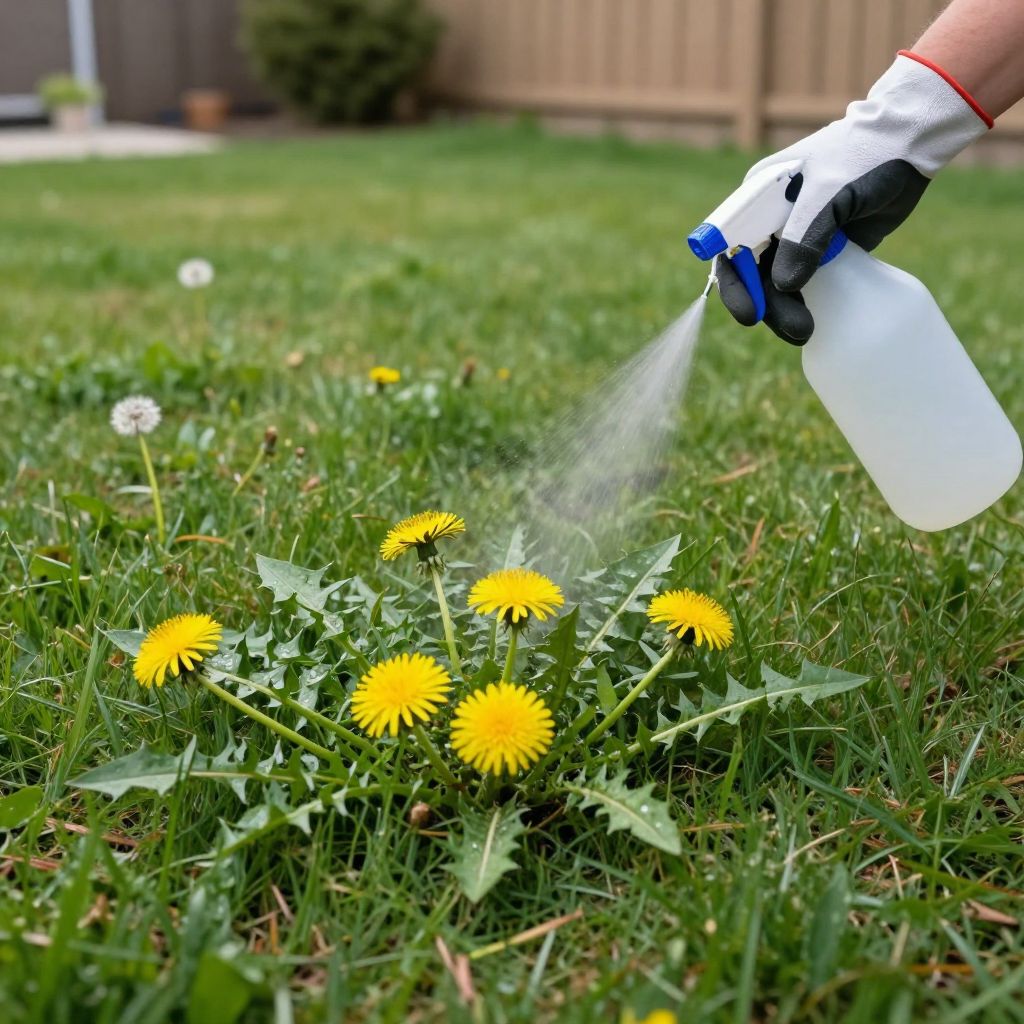
What kills dandelions? If you’re tired of seeing those bright yellow flowers turn into fluffy seed heads across your lawn, the answer is usually a combination of timing, root removal, and the right control method for your situation.
Dandelions are tough perennial weeds with deep taproots, so the most effective approach is to weaken the plant above ground and remove or kill the root below ground. The best method depends on whether you want a chemical-free lawn, are dealing with a few plants, or need to clear a larger infestation.
What kills dandelions most effectively?
The most reliable way to kill dandelions is to remove the entire taproot or use a selective broadleaf herbicide when the plant is actively growing. For small patches, hand-pulling after rain or watering works well. For larger lawn infestations, repeated treatment plus a thicker, healthier turf helps prevent them from returning.
Why dandelions are so hard to kill
Dandelions (Taraxacum officinale) store energy in a long taproot, which lets them regrow if even part of the root remains. They also spread by seed very easily, so killing one plant does not stop new seedlings from appearing nearby.
That’s why quick fixes often fail. Cutting off the top may make the plant look gone for a while, but the root can send up new leaves and flower stalks soon after.
What makes them thrive
- Thin or patchy turf with open soil
- Compacted soil that favors their root structure
- Full sun, though they can tolerate partial shade
- Lawns with low competition from grass
- Seed spread from nearby yards, roadsides, or untreated areas
Non-chemical ways to kill dandelions
If you want to avoid herbicides, focus on removing the root and preventing regrowth. These methods work best on young plants or small infestations, and they are most effective when the soil is moist.
1. Hand-pull the entire root
Use a dandelion weeder, narrow trowel, or garden knife to loosen the soil around the plant. Grip the crown close to the soil line and pull steadily while lifting the taproot out as intact as possible.
- Water the area lightly the day before, or pull after rain.
- Insert the tool 2 to 4 inches deep beside the plant.
- Rock the tool to loosen the root.
- Pull the plant slowly to avoid snapping the taproot.
- Check the hole for broken root pieces and remove them.
Best for: isolated dandelions in lawns, beds, and pathways.
2. Dig out the crown and root
For larger plants, especially in compacted soil, digging may work better than pulling. Remove enough soil to expose the full crown and as much of the taproot as possible.
This method is slower, but it is often the most dependable non-chemical option for mature plants.
3. Smother small patches
For dandelions in garden beds or unused areas, covering the patch with cardboard, thick mulch, or landscape fabric can block light and weaken the plants over time. This works best on small infestations and should be combined with root removal when possible.
Keep in mind that smothering is less practical in an active lawn because grass also needs light.
What kills dandelions in lawns?
In lawns, a selective broadleaf herbicide is often the most effective chemical option because it targets dandelions without harming most grass types when used correctly. The best results come from treating actively growing plants in spring or fall, when they are moving energy into the roots.
Always read and follow the product label for your turf type and local conditions. Product labels vary, and some lawn grasses are more sensitive than others.
When herbicides work best
- When dandelions are actively growing
- When temperatures are moderate, not extreme
- When plants have enough leaf surface to absorb the treatment
- When rain is not expected immediately after application
Important: Herbicides usually work better on young, leafy dandelions than on mature plants that have already gone to seed.
Common herbicide mistakes to avoid
- Spraying on windy days and drifting onto desirable plants
- Applying to drought-stressed weeds
- Using too little product or missing the leaf surface
- Expecting one application to solve a heavy infestation
- Treating when rain will wash the product away too soon
How to prevent dandelions from coming back
Killing existing plants is only half the job. Prevention matters just as much, because dandelion seeds can arrive from neighboring properties, and bare soil invites new weeds to settle in.
Build a thicker lawn
A dense, healthy lawn is one of the best defenses against dandelions. Grass that fills in quickly leaves less room for weed seeds to germinate.
- Mow at the recommended height for your grass type.
- Do not scalp the lawn, which weakens turf and exposes soil.
- Overseed thin areas when conditions are right for your region.
- Aerate compacted soil if your lawn tends to stay hard and thin.
- Keep mower blades sharp so grass recovers quickly.
Reduce bare spots
Fill in thin patches with seed or sod suited to your climate. Bare soil is one of the easiest places for dandelion seedlings to establish.
Mulch garden beds well
In planting beds, maintain a 2- to 3-inch layer of mulch to block light and reduce weed germination. Keep mulch a little away from plant stems and trunks to avoid rot.
Seasonal timing: when to attack dandelions
Timing makes a big difference. Dandelions are easier to weaken when they are actively growing and before they set seed.
Spring
Spring is a good time to remove young plants before they flower. If you’re using a lawn herbicide, spring applications can help, but they are often most effective when paired with follow-up control later in the season.
Fall
Fall is often the best time for long-term control because dandelions are sending energy into their roots. This makes root-targeting methods, including selective herbicides, especially effective.
Before seed heads form
Do not let flowers turn into seed heads if you can help it. Even a single plant can produce many seeds that spread by wind, so removing flowers early reduces future problems.
What not to rely on
Some home remedies are popular, but they usually do not kill the root reliably and can damage nearby plants or soil.
- Boiling water: may scorch leaves, but often misses the root and can harm surrounding plants.
- Vinegar: can burn foliage, especially on young weeds, but mature dandelions often regrow from the taproot.
- Salt: can damage soil and nearby plants for a long time, so it is not a good lawn solution.
- Repeated mowing alone: may reduce flowering, but it usually does not kill established plants.
These methods may seem quick, but they are rarely the best answer if your goal is lasting control.
Troubleshooting stubborn dandelions
If dandelions keep returning, the issue is usually incomplete root removal, missed seedlings, or a lawn that is too weak to compete.
The plant grows back after pulling
That usually means part of the taproot remained in the soil. Rework the area while the soil is moist and remove the root more deeply next time.
They keep appearing in the same spots
Those spots may have compacted soil, thin grass, or poor drainage. Improving the turf and loosening compacted ground can make the area less inviting to weeds.
They spread from neighboring yards
Seed drift is common. Stay consistent with removal, and reinforce your own lawn or bed edges so new seedlings have fewer places to establish.
Herbicide did not work well
The plant may have been too mature, the weather may have been too hot or dry, or the application may have missed enough leaf surface. Follow the label carefully and treat when the weed is actively growing.
Simple control plan you can use
If you want a practical approach, start with the least disruptive method that fits your space and level of infestation.
- Pull or dig out isolated plants after rain or watering.
- Remove flower heads before they go to seed.
- Fill bare spots and thin turf to reduce new seedlings.
- Use a selective broadleaf herbicide only if needed and only as labeled for your lawn.
- Repeat inspections every few weeks during the growing season.
Consistency matters more than one dramatic treatment. Dandelions are persistent, but they become much easier to manage when you stop them from flowering and keep your lawn or beds dense.
If you want to improve your weed control overall, it also helps to read about lawn care basics, soil compaction, and mulching practices that support healthier, more competitive plants.