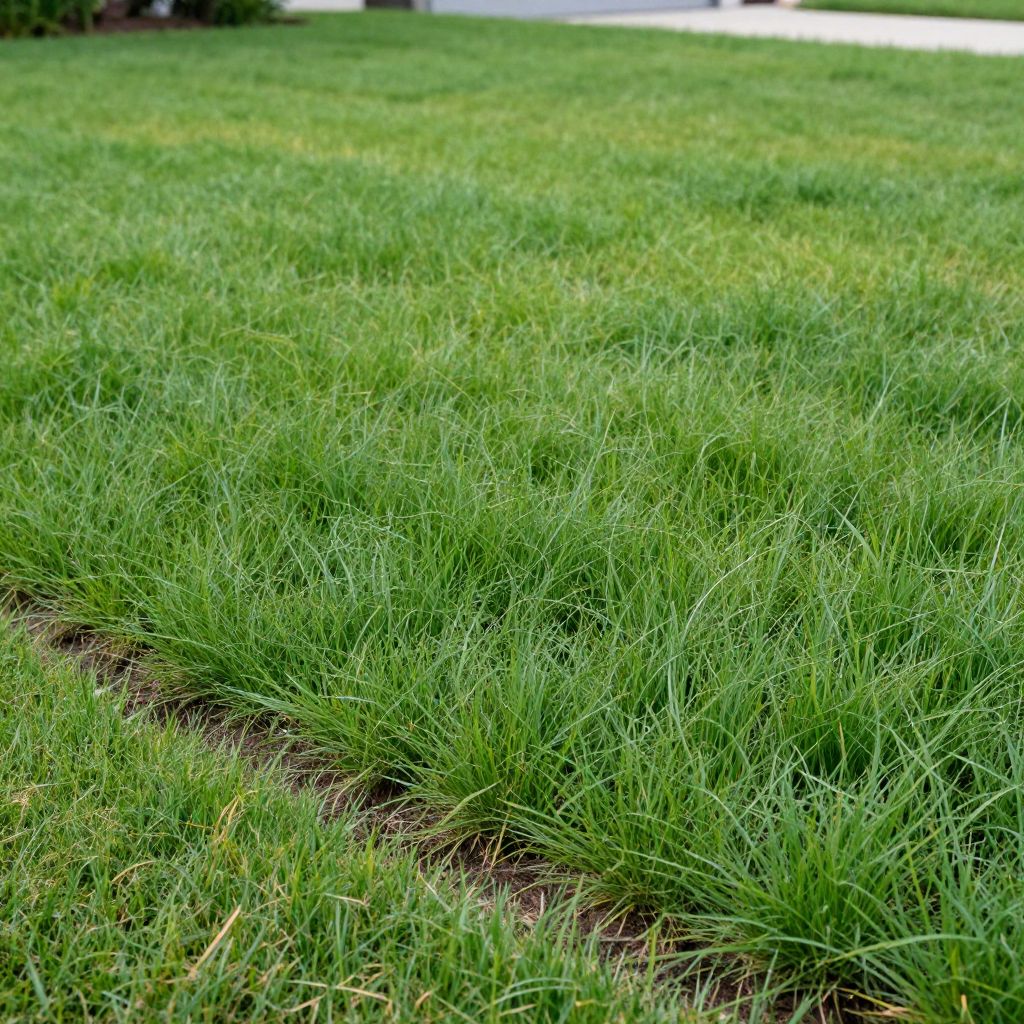
Does zoysia grass spread? Yes—zoysia is a warm-season turfgrass that spreads by both above-ground stolons and below-ground rhizomes. That spreading habit helps it fill in thin areas and form a dense lawn, but it also means it can creep into beds, sidewalks, and neighboring turf if it isn’t edged and managed.
If you’re deciding whether zoysia is a good fit, the short answer is that it can be excellent for durable, low-to-moderate maintenance lawns in the right climate. The key is understanding how fast it spreads, what conditions speed it up or slow it down, and how to guide that growth instead of fighting it.
Does zoysia grass spread?
Zoysia grass spreads horizontally through stolons and rhizomes, which allows it to thicken over time and repair bare spots. It usually spreads more slowly than aggressive grasses like bermudagrass, but it can still become invasive in garden borders if left unchecked.
How zoysia spreads in the lawn
Zoysia’s spreading habit is one of its biggest strengths. It gradually knits together into a dense turf, which helps crowd out many weeds once the lawn is established.
Stolons and rhizomes explained
- Stolons are above-ground runners that creep across the soil surface and root at nodes.
- Rhizomes are underground stems that send up new shoots and help the grass expand beneath the surface.
- Together, they let zoysia fill gaps from the edges inward and recover from light wear.
How fast does zoysia spread?
Spread rate depends on cultivar, temperature, sunlight, soil health, and mowing practices. In general, zoysia is considered a slow-to-moderate spreader, so it may take a season or more to fully fill in from plugs or sprigs.
That slower pace can be an advantage if you want a lawn that is less likely to run aggressively into flower beds, but it also means patience is important during establishment.
What affects zoysia’s spread?
Zoysia spreads best when growing conditions are close to ideal. If the lawn is struggling, it may stay thin instead of creeping outward.
Sunlight
Zoysia prefers full sun and usually spreads most quickly with at least 6 hours of direct light. It can tolerate some light shade, but growth often slows noticeably in shadier areas.
Soil and drainage
Well-drained soil supports steady root and runner growth. Heavy, compacted, or waterlogged soil can slow spreading and leave the lawn patchy.
If your soil is dense clay, improving drainage with core aeration, topdressing, and organic matter in the planting zone can help. Avoid burying the grass crown under thick layers of soil or compost.
Watering
Young zoysia needs consistent moisture to establish, but mature lawns do best with deep, infrequent watering adapted to weather and soil type. Too much water can weaken roots and encourage shallow growth.
If the lawn is getting enough moisture but still not spreading, the issue may be compaction, shade, nutrient imbalance, or low soil temperature rather than drought.
Temperature and season
As a warm-season grass, zoysia spreads most actively in warm weather. Growth slows in cool spring and fall conditions, and it may go dormant or nearly stop expanding in cold weather.
That means a lawn that looks slow in early spring may still fill in well once soil temperatures rise.
Will zoysia spread into other areas?
Yes, zoysia can spread beyond the lawn edge if conditions are favorable. It is not as aggressive as some turfgrasses, but it can still move into garden beds, gravel edges, and neighboring turf.
Where it commonly escapes
- Unedged lawn borders
- Mulch beds with soft edges
- Cracks in pavement or patio joints
- Thin turf areas where runners can cross easily
How to keep it contained
- Install a clean edge between lawn and beds.
- Trim runners back regularly with a spade or edging tool.
- Keep mulch pulled slightly back from the turf line so you can see encroachment early.
- Mow consistently so long runners do not root where you do not want them.
How to encourage zoysia to spread faster
If your goal is to fill in bare spots, you can help zoysia spread more efficiently without overdoing it.
1. Give it enough sun
Move obstacles, prune overhanging branches where appropriate, or choose a sunnier lawn area if you are still planning the landscape. More light usually means denser growth and better lateral spread.
2. Mow at the right height
Do not scalp zoysia. Mowing too low can stress the grass and slow spreading. Keep the mower blade sharp and follow the recommended height for your specific cultivar or local extension guidance.
3. Avoid excessive nitrogen
Some fertilizer helps healthy growth, but too much nitrogen can create weak, lush top growth while roots and runners lag behind. Use soil test results when possible and adjust to your lawn’s actual needs.
4. Reduce compaction
Foot traffic, heavy equipment, and compacted soil can limit runner movement. Core aeration during active growth can improve air and water movement and help zoysia expand.
5. Fill gaps with plugs or sprigs
Zoysia spread can be slow from a few isolated plants. If you want faster coverage, planting plugs or sprigs in a grid pattern gives the lawn more starting points.
- Space plugs closer together for faster fill-in.
- Keep the soil evenly moist during establishment.
- Protect new plantings from heavy traffic until they root in.
How to stop zoysia from spreading where you don’t want it
Because zoysia spreads by runners and underground stems, simply pulling the visible blades is often not enough. You need to remove or block the spreading points.
Practical control methods
- Edge regularly to cut stolons at the border.
- Dig out encroaching patches if it has moved into beds.
- Use physical barriers where lawn and beds meet, especially in high-maintenance landscapes.
- Stay ahead of it in cracks, along walks, and around irrigation heads.
Common mistake to avoid
Do not assume a thin zoysia lawn will stay thin forever. Once it is healthy and established, it may gradually spread into surrounding spaces unless you maintain clear boundaries.
Common problems that slow zoysia spread
If your zoysia is not filling in, the issue is often environmental rather than a lack of ability to spread.
Thin growth from shade
Deep shade reduces runner formation and can leave the lawn open and weak. In heavily shaded areas, zoysia may survive but not spread well.
Compacted or poorly drained soil
Water sitting around the roots can reduce oxygen and slow growth. If the area stays soggy after rain, improve grading or drainage before expecting strong spread.
Pests and disease
Insects and fungal diseases can damage leaves, crowns, or roots and reduce the plant’s ability to expand. Watch for irregular brown patches, thinning, or areas that do not recover after normal watering.
If you suspect a pest or disease issue, identify the cause before treating. Stress from mowing, drought, or poor drainage can look similar to disease symptoms.
Cold weather dormancy
Zoysia slows down dramatically in cool conditions. If it looks dormant, brown, or stalled, wait for warm weather before assuming it is failing.
Best uses for zoysia in the landscape
Zoysia works well where you want a dense, durable lawn that can gradually self-repair. It is often a good choice for sunny yards, family lawns, and areas with moderate foot traffic.
It is less ideal where you need very fast establishment, where shade is heavy, or where you want a grass that stays neatly contained without edging.
Good fit if you want:
- A lawn that thickens over time
- Better weed suppression once established
- Moderate maintenance rather than constant repair
- A grass that can recover from small bare spots
Quick care checklist for healthy spreading
- Plant in full sun whenever possible.
- Use well-drained soil and avoid chronic sogginess.
- Water to encourage deep roots, not shallow dependence.
- Mow correctly and keep blades sharp.
- Edge borders to control spread.
- Use plugs or sprigs if you want faster coverage.
- Watch for shade, compaction, pests, and disease if growth stalls.
Conclusion
So, does zoysia grass spread? Yes, and that spreading habit is exactly what makes it such a useful lawn grass when managed well. If you want a denser lawn, give it sun, good drainage, and room to grow; if you want to contain it, edge it regularly and trim back runners before they root.
For more lawn-care guidance, you may also want to read about lawn care basics and practical lawn maintenance tips.