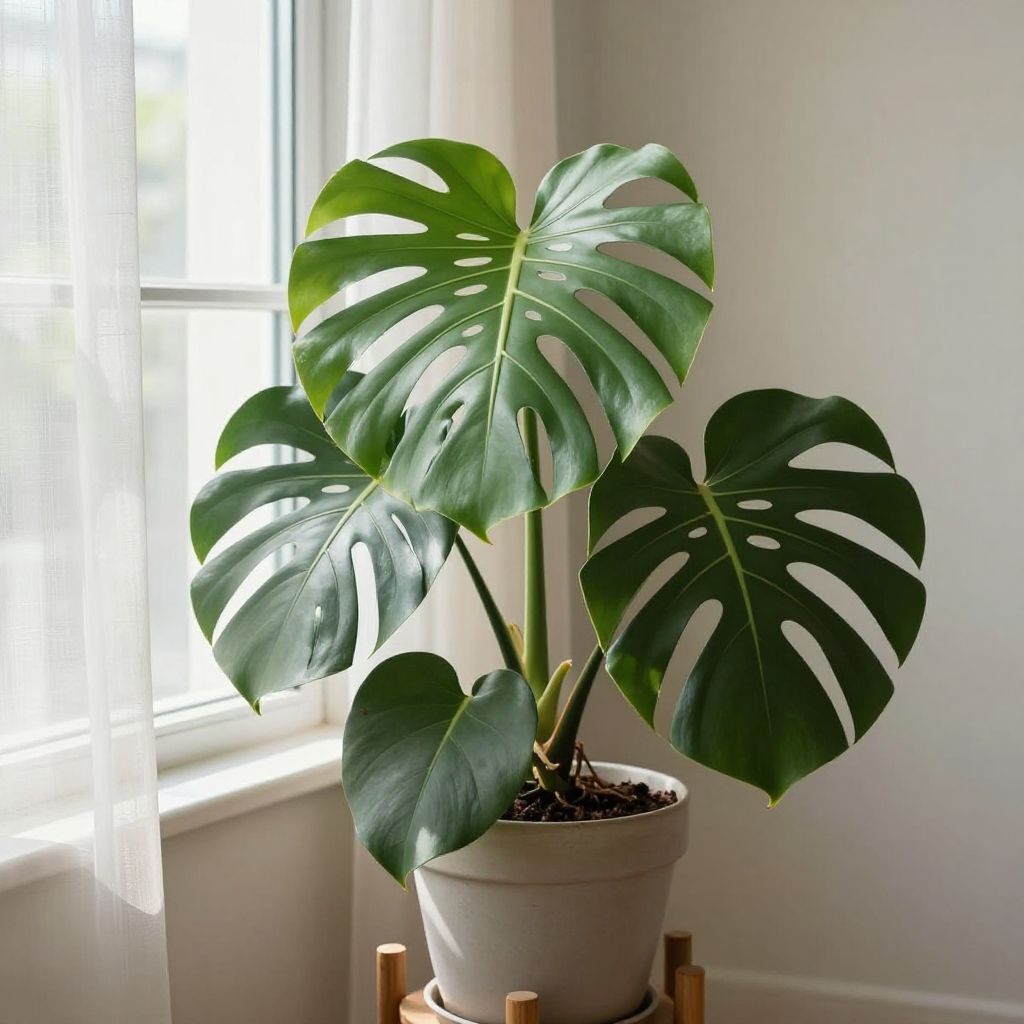
What is indirect light for plants, and how do you know whether your windowsill, shelf, or shaded garden spot is bright enough? Many houseplants and some outdoor plants grow best in light that is strong but not hitting the leaves directly for long periods.
The tricky part is that “indirect light” is not one fixed level. It changes with window direction, season, distance from the glass, and whether something is filtering the sun. The good news is that you can learn to identify it quickly and match plants to the right spot.
What is indirect light for plants?
Indirect light is bright light that reaches a plant after being filtered, bounced, or softened, so the sun’s rays do not strike the leaves directly for most of the day. It is usually found a few feet from a bright window, behind a sheer curtain, or in a spot shaded by another object but still well lit.
How to identify indirect light in your home or garden
The easiest way to judge indirect light is by looking at shadows. If you can see a clear, soft shadow but not a sharp, hot beam of sun on the leaves, you are probably in indirect light. If the plant is getting direct sun for several hours, especially through glass, that is a different condition.
Simple ways to test light
- Hand test: Hold your hand where the plant sits. A faint, blurry shadow usually means indirect light.
- Paper test: Place white paper in the spot. If it looks bright without glare, the area may suit many indirect-light plants.
- Time test: Watch the area at different times of day. A spot may be indirect in the morning but receive direct sun later.
- Phone light meter apps: These can help you compare spots, though they are less accurate than a dedicated meter.
What indirect light looks like by window direction
- North-facing windows: Often provide low to medium indirect light indoors.
- East-facing windows: Usually give gentle morning sun and bright indirect light for the rest of the day.
- South- or west-facing windows: Can be very bright and may become direct sun unless filtered by a curtain or set farther back.
Indirect light vs. direct light vs. low light
These terms are often used loosely, but they are not the same. Knowing the difference helps you avoid leaf scorch, weak growth, and unnecessary plant stress.
Quick comparison
- Direct light: Sun rays hit the plant directly, often causing strong shadows and sometimes heat stress indoors.
- Indirect light: Bright light arrives without the sun striking the leaves directly for long periods.
- Low light: A dimmer area farther from windows or in heavier shade; many plants survive here, but fewer thrive.
As a rule, many popular houseplants labeled “bright indirect light” want a spot that is close to a window but not in the sunbeam itself. If the plant is more than a few feet from a bright window, the light may drop into medium or low range depending on the room.
Which plants prefer indirect light?
Many tropical houseplants evolved under tree canopies, so they appreciate bright, filtered light rather than harsh midday sun. Common examples include pothos (Epipremnum aureum), heartleaf philodendron (Philodendron hederaceum), peace lily (Spathiphyllum), snake plant (Dracaena trifasciata), and many ferns.
Signs a plant likely wants indirect light
- Leaves scorch or bleach in direct sun.
- Growth slows in deep shade but improves in brighter filtered light.
- Leaves are thin, broad, or adapted to forest understory conditions.
Some outdoor plants also prefer filtered light, especially in hot climates or afternoon sun. Shade-loving ornamentals, woodland perennials, and many seedlings do better with morning sun and afternoon shade, or with dappled light under trees.
How to create indirect light indoors
If your room is too sunny, you can soften the light without making the plant too dark. The goal is to keep the area bright while removing the harshest rays.
Practical ways to adjust light
- Move the plant 1 to 6 feet back from the window, depending on the window’s intensity.
- Hang a sheer curtain to diffuse strong sun.
- Place the plant behind another plant or furniture that blocks direct rays but does not darken the room too much.
- Rotate the pot every week or two so growth stays even.
- Use a grow light if the room is bright but still too dim for the plant’s needs.
Watch for seasonal change. Winter sun is lower and often less intense, so a plant that tolerated a south window in summer may need to move closer in winter. In summer, the same window may become too harsh.
How to use indirect light outdoors
Outdoors, indirect light usually means shade that is bright rather than dark. This can come from a tree canopy, a pergola, a fence with reflected light, or a spot that gets morning sun and afternoon shade.
Outdoor situations that count as indirect light
- Dappled shade beneath deciduous trees.
- East side of a house with morning sun only.
- Areas shaded during the hottest part of the day.
- Patios or borders with filtered light from overhead structures.
Outdoor light is affected by climate more than many gardeners expect. In cooler regions, a plant may handle more direct sun. In hot, dry climates, the same plant may need stronger shade to avoid stress.
How much light is enough?
There is no single number that fits every plant, but many “bright indirect light” houseplants do well near an east window or a few feet from a south or west window with a sheer curtain. If a plant becomes leggy, pale, or stops producing new leaves, it may need more light. If leaves scorch, curl, or dry at the edges, it may need less.
Common signs of too little light
- Long stems with wide gaps between leaves.
- Small new leaves or fewer new leaves overall.
- Loss of variegation in patterned plants.
- Soil staying wet too long because the plant is using less water.
Common signs of too much light
- Brown or bleached patches on leaves.
- Leaves curling, crisping, or feeling dry.
- Wilting even when the soil is moist.
- Sudden leaf drop after moving a plant into stronger sun.
Watering and soil in indirect light conditions
Light affects how quickly soil dries. Plants in bright indirect light usually grow faster than those in low light, so they may need watering a bit more often, but the soil should still drain well. Use a pot with drainage holes and a loose, airy mix suited to the plant type.
Good watering habits
- Check the top inch or two of soil before watering, unless the plant prefers consistently moist soil.
- Water thoroughly, then let excess drain away.
- Do not let pots sit in standing water.
- Adjust based on season, pot size, humidity, and growth rate.
For many indoor plants, overwatering is a bigger problem than light itself. If a plant is in lower indirect light, it uses water more slowly, so the soil can stay wet and roots may rot.
Pruning, pest care, and maintenance
Plants growing in indirect light often stretch toward the nearest bright source. Light pruning helps maintain a fuller shape and removes weak growth before it becomes a problem.
Maintenance tips
- Pinch or trim leggy stems to encourage branching where appropriate.
- Remove yellowing or damaged leaves so the plant can focus on healthy growth.
- Inspect leaf undersides for spider mites, thrips, and mealybugs, especially on indoor plants in warm, dry rooms.
- Wipe dust from leaves so they can capture more light.
Indoor plants in indirect light may be less stressed than those in direct sun, but they are not pest-free. Low air movement and crowded indoor spaces can make infestations spread quickly, so check plants regularly.
Common mistakes to avoid
One of the biggest mistakes is assuming “indirect light” means any spot near a window. A plant can be close to a window and still get harsh direct sun, or it can be far enough away that the light is too weak.
- Placing shade-loving plants in hot direct sun: This often causes leaf scorch.
- Keeping plants too far from the window: They may survive but become sparse and weak.
- Ignoring seasonal shifts: Sun angle changes throughout the year.
- Watering on a fixed schedule: Light level, temperature, and pot size should guide watering instead.
- Confusing filtered shade with deep shade: Many plants need bright filtered light, not darkness.
Troubleshooting a plant that is not thriving
If your plant looks unhappy, start by checking the light before changing everything else. Many problems that seem like watering or fertilizer issues are actually light problems.
Use this quick troubleshooting order
- Check whether the plant is receiving direct sun at any point in the day.
- Look for signs of low light, such as stretching or slow growth.
- Check soil moisture and drainage.
- Inspect for pests and damaged roots if decline continues.
- Move the plant gradually, not suddenly, to a better-lit spot.
If you move a plant from low light to bright indirect light, give it time to adjust. Sudden changes can still stress leaves, even when the new spot is better overall.
Final takeaway
What is indirect light for plants? It is bright, filtered light that reaches the plant without strong direct sun for most of the day. To use it well, observe shadows, test window exposure, and adjust placement until the plant gets enough brightness without scorch. Start by evaluating one plant today and move it only a little if needed.
If you want to keep improving your indoor plant care, it also helps to learn about how to choose the right potting mix and how to tell when houseplants need repotting.