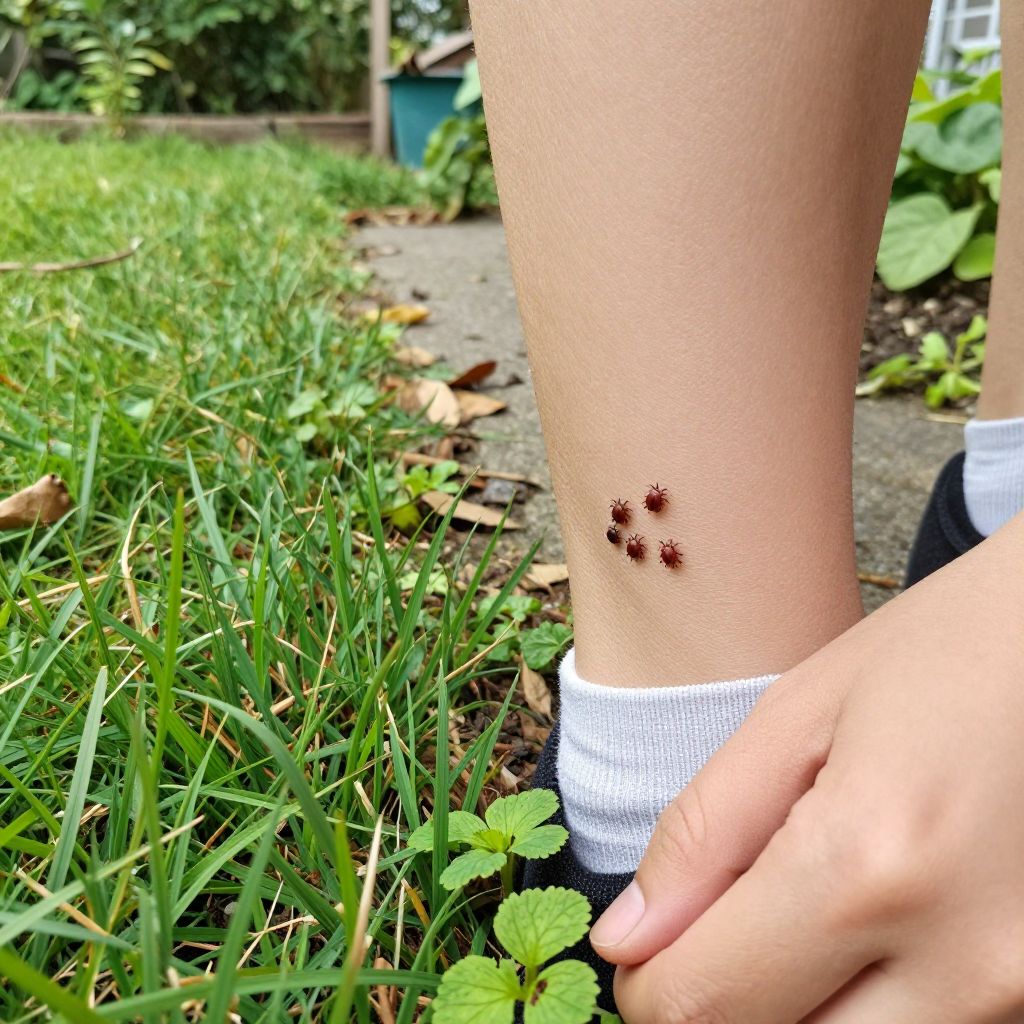
If you’ve spotted tiny specks that seem to “jump” or crawl on your skin or plants, you may be asking: what are seed ticks? In gardening, the term usually refers to very young ticks, often larvae, that are active in grassy, brushy, or wooded areas around the garden.
They are not plant pests in the usual sense, but they matter to gardeners because they can attach to people, pets, and wildlife moving through the landscape. Knowing how to identify them, reduce habitat, and protect yourself can make outdoor work much safer.
What are seed ticks?
Seed ticks are the tiny larval stage of ticks, usually no bigger than a pinhead and often found in clusters on grass, weeds, leaf litter, or low shrubs. They do not damage plants, but they can latch onto skin or clothing, so gardeners should treat them as a personal safety concern rather than a garden pest.
How to identify seed ticks in the garden
Seed ticks are easy to miss because of their size. They are typically tan, reddish-brown, or dark, and they may look like moving dust specks until you see them closely.
Common signs you’re dealing with seed ticks
- Tiny moving dots on socks, pant legs, or shoes after working in tall grass
- Clusters of very small ticks near the ground, especially in shaded, humid spots
- Itching or small bites after time spent in brushy garden edges
- Ticks found on pets after they’ve been in overgrown areas
Where they’re most likely to be
- Tall grass and unmown edges
- Leaf litter and mulch piles that stay damp
- Brushy borders, hedges, and fence lines
- Wooded margins and areas where deer, rodents, or other wildlife pass through
Important: seed ticks are often mistaken for “baby bugs” from plants, but they are arachnids, not insects, and they are associated with wildlife habitat rather than plant disease.
Why gardeners notice seed ticks more in certain areas
Ticks thrive where humidity, shade, and host animals overlap. A garden with dense groundcover, unmanaged edges, and nearby brush creates more shelter for them than a dry, open bed with regular maintenance.
They are especially common after periods of mild, damp weather, but local conditions matter more than the calendar. If your yard borders woods, fields, streambanks, or vacant lots, expect more tick pressure than in a fully open landscape.
Garden features that increase risk
- Overgrown borders and unmown pathways
- Stacked brush, logs, or unmanaged leaf piles
- Dense shade with poor air movement
- Frequent wildlife traffic, especially deer and rodents
- Pets roaming through tall vegetation
How to reduce seed ticks around your garden
You cannot eliminate ticks from an outdoor property, but you can make your garden less inviting to them. Focus on sunlight, airflow, and tidy edges, because those conditions dry out tick habitat and reduce hiding places.
1. Keep grass and edges trimmed
Mow regularly and cut back weeds along paths, fences, and bed edges. Shorter vegetation gives ticks fewer places to wait for a host and makes it easier to spot them before they reach you.
2. Remove damp hiding spots
- Rake up thick leaf litter where practical
- Thin overly dense groundcover near high-traffic areas
- Store firewood, brush, and garden debris away from seating or work areas
- Improve drainage in persistently soggy spots if water collects after rain
3. Create a buffer between wild areas and garden paths
A simple transition zone can help. Use a strip of wood chips, gravel, or mown turf between wooded edges and the areas where you spend time, since open, drier surfaces are less favorable to ticks than tangled vegetation.
4. Manage wildlife access where possible
If deer, rabbits, or rodents are frequent visitors, they can bring ticks into the landscape. Fencing, tight-fitting compost lids, and prompt cleanup of dropped fruit or birdseed can reduce attraction to wildlife around the garden.
How to protect yourself while gardening
Personal protection is one of the most effective ways to deal with seed ticks. Even a well-kept garden can have ticks at the margins, so use simple habits every time you work in tall or brushy areas.
Before you go outside
- Wear long sleeves and long pants when working in risky areas
- Tuck pants into socks or boots to reduce access to skin
- Choose light-colored clothing so ticks are easier to see
- Use gloves when handling brush, mulch, or leaf litter
While you work
- Stay on clear paths when possible
- Avoid kneeling directly in leaf litter or tall grass
- Check sleeves, cuffs, and pant legs periodically
- Keep pets out of dense vegetation while you garden
After gardening
- Check clothing, shoes, and exposed skin carefully.
- Brush off clothing before going indoors.
- Shower soon after outdoor work if you’ve been in tick habitat.
- Inspect pets before they come inside.
Tip: Seed ticks are so small that a careful full-body check matters more than a quick glance. Pay attention to ankles, behind the knees, waistbands, underarms, and hairline.
What not to do when you find seed ticks
It’s tempting to spray heavily or assume every tiny bug is a plant pest, but that can create more problems than it solves. A calm, targeted approach is safer and more effective.
- Don’t ignore repeated sightings near paths or seating areas.
- Don’t assume mulch alone causes the problem; the real issue is usually shade, moisture, and nearby host animals.
- Don’t use broad, repeated pesticide applications without reading the label and considering pollinators, pets, and local regulations.
- Don’t handle brush piles or leaf litter bare-handed in tick-prone areas.
Are seed ticks harmful to plants?
No, seed ticks are not known as plant-damaging garden pests. They do not chew leaves, bore into stems, or spread common plant diseases in the way aphids, mites, or beetles might.
The concern is human and pet exposure. If you are seeing tiny moving specks on foliage, the issue may actually be another small arthropod, such as mites or springtails, so observe closely before treating the area.
How to tell seed ticks from other tiny garden pests
Because many tiny creatures appear in gardens, it helps to separate ticks from actual plant pests. Size alone is not enough, so look at behavior and location too.
Quick comparison
- Seed ticks: found in grass, brush, leaf litter; may attach to people or pets
- Spider mites: usually on plant leaves; may cause stippling, webbing, or bronzing
- Springtails: tiny soil dwellers that jump, but do not bite and usually stay in moist soil
- Aphids: soft-bodied insects clustered on tender stems and new growth
If the tiny specks are on the underside of leaves and the plant shows damage, you’re likely dealing with a plant pest rather than seed ticks. If they appear on your clothing after yard work, seed ticks are more likely.
When to call for help or take extra action
Most seed tick problems can be managed with habitat cleanup and personal protection. However, you may want extra help if your yard has heavy wildlife traffic, repeated tick exposure, or areas you cannot safely maintain yourself.
Consider professional help if:
- You regularly find ticks on family members or pets after brief yard use
- Your property borders dense woods or unmanaged land
- Brush and leaf litter are too extensive for routine cleanup
- You need advice on safe landscape maintenance near high-risk areas
If you choose any chemical control, follow the product label exactly and consider the impact on beneficial insects, pets, and nearby water. In many gardens, habitat management and protective clothing are the most practical first steps.
Simple seasonal maintenance to lower tick pressure
Tick pressure changes through the year, so a little regular maintenance goes a long way. The goal is not perfection; it is to keep the garden open, dry, and easy to inspect.
- Spring: clear winter leaf buildup and trim early weed growth around borders
- Summer: mow regularly and keep paths open where you walk most often
- Fall: remove excess leaf litter before it mats down and shelters ticks
- Anytime: keep compost, brush, and firewood away from seating and work zones
Adjust these tasks to your climate. In wetter regions, cleanup may need to be more frequent; in dry climates, tick pressure may be lower but still present in shaded, irrigated spots.
Conclusion: make your garden less inviting to seed ticks
Seed ticks are tiny tick larvae that show up in grassy, brushy, and wooded garden areas, where they can attach to people and pets. The best defense is a combination of tidier edges, reduced leaf litter, better airflow, and careful personal protection whenever you garden.
If you want to keep learning about safer, healthier outdoor spaces, you may also find related gardening reading on garden edge maintenance and managing leaf litter in the landscape.