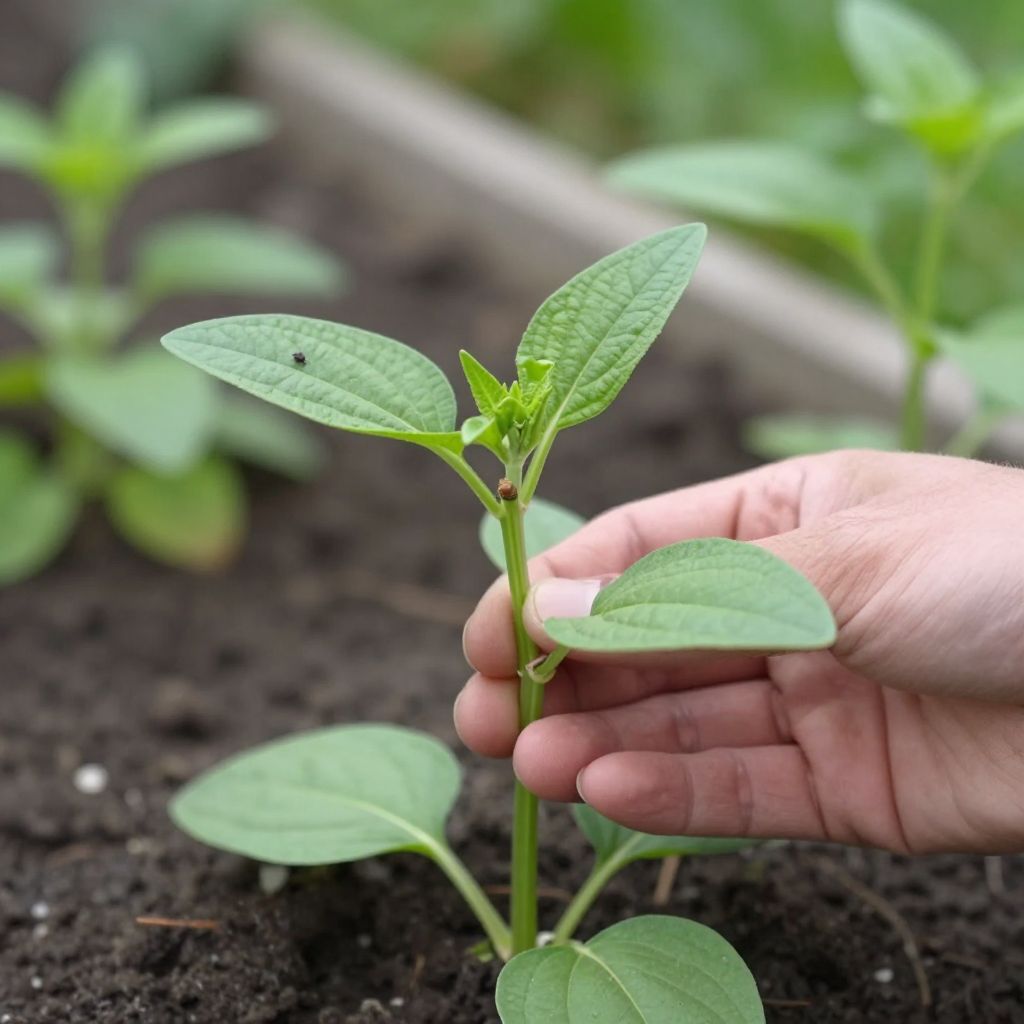
If you’ve ever looked at a stem and wondered, “What is a node on a plant?” you’re asking one of the most useful basic questions in gardening. Nodes are the points on a stem where leaves, buds, branches, and roots can form, and they matter for pruning, propagation, and plant identification.
Once you know how to spot a node, you can make better cuts, take stronger cuttings, and understand how a plant grows. It’s a small detail that has a big impact on successful gardening.
What is a node on a plant?
A node is the slightly swollen or marked point on a stem where a leaf attaches, and where buds, branches, or roots can develop. The space between two nodes is called an internode. In simple terms, nodes are the plant’s growth and branching points, which makes them important for pruning and propagation.
How to identify a node on a stem
Finding a node is usually straightforward once you know what to look for. Follow the stem and look for the place where a leaf, bud, side shoot, or aerial root emerges.
Common signs of a node
- A leaf attachment point
- A small bump, ring, or joint on the stem
- A visible bud or tiny side shoot
- On some plants, a root nub or aerial root starting point
Nodes are often easiest to see on plants with clear stems such as pothos, philodendron, tomato, basil, coleus, and many houseplants. On woody shrubs and trees, nodes may be less obvious because bark can cover them as stems mature.
Node vs. internode
- Node: the point where growth can begin
- Internode: the stem section between two nodes
If you are pruning or taking cuttings, this difference matters. A cutting without at least one healthy node often struggles to root because it lacks the tissue needed to produce new growth.
Why nodes matter in gardening
Nodes are important because they control where a plant can branch, leaf out, and root. When you prune just above a node, you encourage the plant to send new growth from that point. When you take a cutting below a node, you give the cutting the best chance to root.
Pruning and shaping
Many plants respond to pruning by activating buds near the node below the cut. That is why cutting above a node can help make a plant bushier rather than taller and leggy.
Propagation
Stem cuttings usually need one or more nodes to root successfully. This is especially true for many houseplants, herbs, and soft-stemmed ornamentals. Roots commonly emerge from node tissue when conditions are warm, moist, and well drained.
Plant health and growth
Understanding nodes helps you spot where new leaves or branches should appear. If a stem has long stretches with few nodes, the plant may be stretched from low light, which is a common issue indoors and in shaded outdoor spots.
How to use nodes when pruning plants
Pruning with node placement in mind helps you guide the plant’s shape and encourage healthy regrowth. The basic rule is to make your cut just above a node, not too far above it.
- Find a healthy node with a leaf or bud.
- Choose the direction you want new growth to go.
- Cut about 1/4 inch above the node with clean, sharp pruners.
- Remove dead, damaged, or crossing stems first.
- Step back and check the plant’s shape before making more cuts.
Important: Do not cut so close that you damage the node itself. A crushed or torn node may fail to produce new growth, and the stem can become more vulnerable to disease.
Pruning mistakes to avoid
- Cutting randomly in the middle of an internode and expecting branching there
- Leaving long stubs above the node, which can die back
- Using dull tools that crush the stem
- Pruning a stressed plant too heavily during heat, drought, or active disease
How nodes help with plant propagation
If you want to grow new plants from cuttings, nodes are the key part to include. Most stem cuttings root best when at least one node is in contact with moist potting mix or water, depending on the plant.
Taking a basic stem cutting
- Choose a healthy stem with several leaves and visible nodes.
- Make a clean cut just below a node.
- Remove leaves that would sit below the water line or in the rooting medium.
- Place one or more nodes where roots can form.
- Keep the cutting in bright, indirect light and evenly moist conditions.
Soft-stemmed plants such as pothos, mint, basil, coleus, and many trailing houseplants often root readily from nodes. Woody plants may need more careful handling, while some species root better from hardwood or semi-hardwood cuttings than from soft stems.
Water rooting vs. soil rooting
- Water rooting: useful for watching root development, but roots may be more delicate when moved to soil
- Soil rooting: often produces sturdier roots adapted to potting mix from the start
Whichever method you use, the node should stay healthy and not rot. Use clean containers, fresh water, or a well-draining propagation mix to reduce disease risk.
What healthy nodes should look like
A healthy node usually looks firm, not mushy, and may show a slight swelling, leaf scar, or tiny bud. On many plants, the node is greener and more active than the older stem tissue around it.
Signs a node may be unhealthy
- Blackened, soft, or mushy tissue
- Dry, shriveled stems with no visible buds
- Rot or mold around a cut node
- Insect damage near the leaf joint
If a node is damaged, it may not produce new growth. In propagation, that often means the cutting fails or roots poorly. In pruning, it can leave a weak section of stem that dies back.
Common plants where nodes are easy to see
Some plants make node identification especially simple, which is helpful for beginners learning propagation or pruning.
- Pothos and other vining houseplants: nodes often produce aerial roots
- Tomatoes: leaf and flower clusters form at nodes
- Basil: pinching above nodes encourages bushier growth
- Philodendron: nodes are often visible along the vine
- Coleus: easy to pinch and root from node-bearing cuttings
On grass-like plants and some succulents, nodes may be less obvious. In those cases, look for leaf attachment points, stem rings, or places where new shoots emerge.
How nodes relate to light, watering, and plant shape
Nodes themselves do not change with care, but the spacing between them often reflects growing conditions. Long, stretched internodes can be a sign of insufficient light, especially indoors.
When stems get leggy
If a plant has wide gaps between nodes, it may be reaching for light. Move it to a brighter location suited to the species, rotate the pot regularly, and prune back to a healthy node to encourage fuller growth.
Watering and drainage
Healthy nodes are less likely to rot when the plant is growing in a well-draining medium and not sitting in water. For potted plants, use containers with drainage holes and a mix suited to the plant type rather than heavy garden soil.
Seasonal growth changes
Many plants produce more visible new nodes during active growth in spring and summer. In cooler months or during lower light, growth may slow, and nodes may be farther apart or less active.
Troubleshooting node-related problems
If a plant is not branching, rooting, or producing new growth where you expect, the issue is often tied to node health, light, or pruning technique.
Problem: Cutting will not root
- Check that the cutting includes at least one healthy node
- Remove any leaves that would rot below water or in mix
- Keep conditions warm and bright, but out of direct sun
- Use clean tools and fresh rooting medium
Problem: Plant stays tall and sparse
- Increase light if the plant is stretching
- Prune just above a node to trigger branching
- Pinch soft stems regularly on herbs and ornamentals
Problem: Stem rots near the node
- Reduce excess moisture
- Improve airflow around the plant
- Remove infected tissue with clean tools
- Discard badly rotted cuttings to protect healthy plants
Simple tools that help
You do not need fancy equipment to work with nodes, but a few basic tools make the job easier and cleaner.
- Sharp hand pruners or scissors
- Rubbing alcohol or disinfectant for tool cleaning
- Small pots or propagation jars
- Well-draining potting mix or rooting medium
- Plant labels if you are propagating several cuttings
Clean tools matter because damaged stems and nodes are more likely to invite disease. Wipe blades between plants, especially if you are cutting anything that looks spotted, wilted, or diseased.
Conclusion: learn the node, improve the plant
Once you can identify a node on a plant, pruning and propagation become much easier. The next time you trim a stem, look for the leaf joint, make your cut just above it, and use that same point when taking cuttings. For more practical plant care tips, you may also want to read about how to prune houseplants and how to propagate stem cuttings.