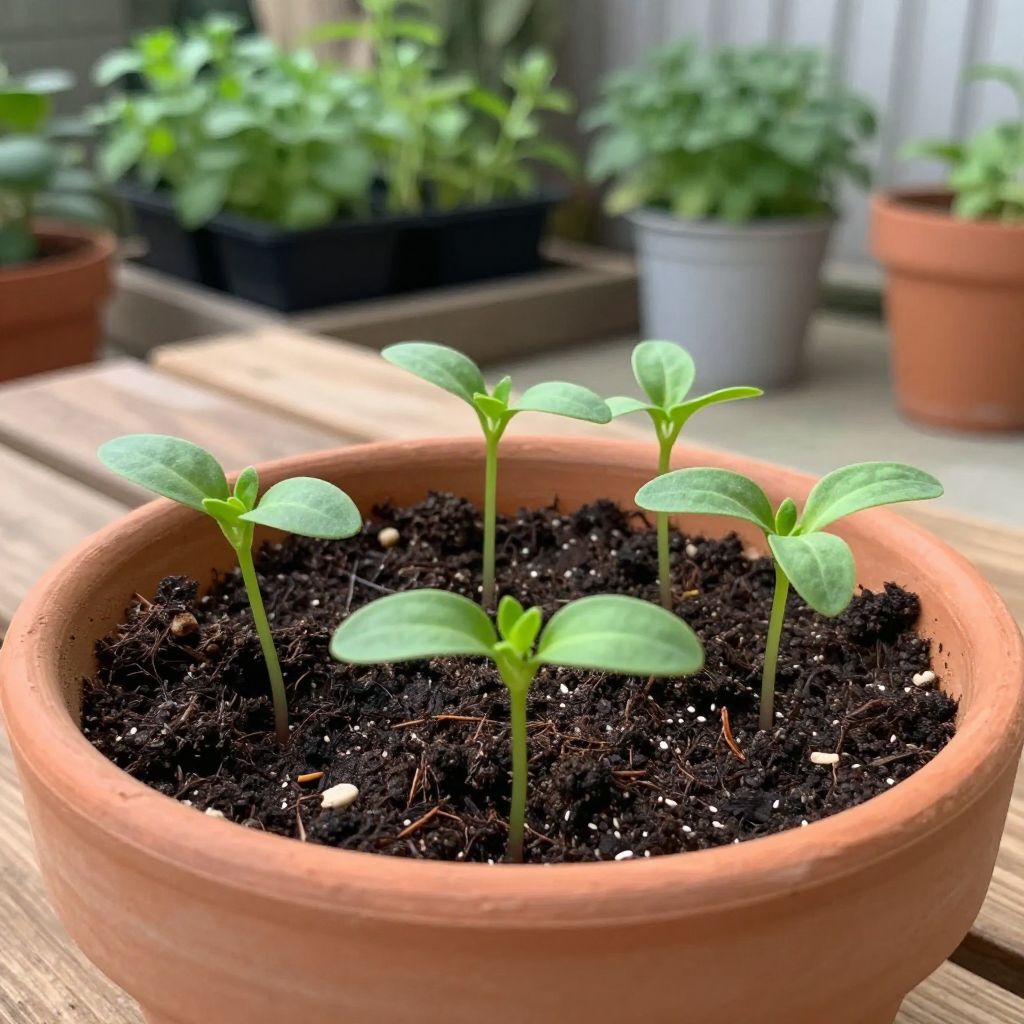
What do chia seeds grow into? If you sow them, they grow into chia plants—the same species grown for edible seeds, Salvia hispanica, a tender annual in most climates. In the garden, it forms a leafy herb with square stems, small opposite leaves, and spikes of tiny purple or white flowers.
For home gardeners, the key is understanding that chia is not a mystery crop or a “sprouting seed” novelty. It is a real flowering plant that needs warmth, sun, and good drainage to mature and set seed.
What do chia seeds grow into?
Chia seeds grow into chia plants, a fast-growing annual herb in the mint family. Given warmth, sun, and a long enough season, the plants can reach about 2 to 4 feet tall and produce flower spikes that later form the seeds you harvest. In cooler climates, chia may grow as a foliage plant but fail to fully ripen seed outdoors.
What the chia plant looks like as it grows
Young chia seedlings have small oval leaves and square stems, which is typical of many mint-family plants. As the plant matures, it branches and becomes bushier, with upright stems and clusters of flowers near the tips.
Growth stages to expect
- Germination: Seeds sprout quickly in warm, evenly moist soil.
- Seedling stage: Small paired leaves appear first, followed by stronger stem growth.
- Vegetative growth: The plant gains height and branching.
- Flowering: Spikes of small blossoms appear in warm weather and full sun.
- Seed set: Flowers fade and dry seed heads form.
If you have only seen chia in a dish or on a windowsill, the garden plant may surprise you. It is not a grass, not a vine, and not a root crop. It is a flowering herb that needs time to mature before it can produce harvestable seed.
How to grow chia successfully
Chia is best treated as a warm-season annual. It prefers full sun, well-drained soil, and moderate watering while it is establishing. Rich, soggy soil can lead to weak growth, while dry, compacted soil can stunt seedlings.
Best site and soil
- Sun: Aim for at least 6 hours of direct sun daily.
- Soil: Loose, fertile, and well drained is ideal.
- pH: Chia generally does best in a neutral to slightly acidic garden soil, though exact needs vary by local soil conditions.
- Drainage: Avoid low spots where water sits after rain.
Before planting, work in a modest amount of compost if your soil is poor. Compost improves structure and moisture balance without making the bed overly rich.
Sowing chia seeds
- Prepare a fine, weed-free seedbed or a container with drainage holes.
- Scatter seeds thinly on the surface or cover them very lightly with soil.
- Water gently so the seeds stay in place.
- Keep the surface evenly moist until sprouting.
- Thin seedlings if they become crowded.
Chia seeds are small, so they should not be buried deeply. A light covering is enough. If you plant them too deep, germination can be uneven or delayed.
Indoor vs. outdoor growing
You can start chia indoors, but it is usually easier to grow it outdoors in warm weather. Indoors, the main challenges are insufficient light and overly wet soil. Outdoors, the main challenge is temperature: chia dislikes cold conditions and will not perform well in frost.
Growing chia indoors
- Use a bright south- or west-facing window, or supplemental grow lights.
- Choose a shallow pot with drainage holes.
- Water carefully so the soil stays moist, not saturated.
- Rotate the container if stems lean toward the light.
Indoor chia can be useful for observing the plant’s life cycle, but it may not flower or set seed as well as plants grown in strong outdoor sun.
Growing chia outdoors
Outdoors, chia is most successful where summers are warm and long enough for flowering and seed maturation. In short-season areas, you may still enjoy the plant as an ornamental herb, but seed harvest can be unreliable.
If your climate has a cool spring, wait until the soil is warm before sowing. If your summers are very hot and dry, provide regular water during establishment and mulch lightly to reduce stress.
Watering, feeding, and maintenance
Chia needs consistent moisture while young, then moderate watering as it grows. Like many annual herbs, it does not want to sit in waterlogged soil. Overwatering is one of the most common mistakes gardeners make.
Watering tips
- Water lightly and often enough to keep seedlings from drying out.
- Once established, water when the top inch or two of soil begins to dry.
- Reduce watering if the weather is cool or rainy.
- Use mulch carefully so it does not smother tiny seedlings.
Do chia plants need fertilizer?
Usually, no heavy feeding is necessary. A bed amended with compost is often enough. Too much nitrogen can encourage lush leafy growth but fewer flowers, which is not ideal if you want seed production.
If your soil is very poor, a light, balanced organic feed can help, but avoid overdoing it. The goal is steady growth, not excessive softness.
Pruning, spacing, and plant shape
Chia naturally branches as it grows, so it usually does not need formal pruning. However, spacing matters. Crowded plants compete for light and airflow, which can increase disease problems and reduce flowering.
Simple maintenance steps
- Thin seedlings early so each plant has room to branch.
- Remove weeds before they crowd the base.
- Stake only if plants become floppy in windy sites.
- Trim away damaged leaves if they are touching wet soil.
Good spacing also helps pollinators reach the flowers and makes it easier for you to inspect plants for pests or stress.
Common problems when growing chia
Most chia problems come from climate mismatch, poor drainage, or weak light. The plant is generally not difficult, but it does have clear preferences.
Slow germination
If seeds are slow to sprout, the soil may be too cool, too dry, or buried too deeply. Chia germinates best in warm conditions with steady moisture.
Leggy seedlings
Long, thin stems usually mean the plant is stretching for light. Move container-grown chia to a brighter spot or use stronger supplemental light.
Yellowing or weak growth
This can happen in waterlogged soil, in very poor soil, or when roots are crowded. Improve drainage, thin seedlings, and avoid heavy watering.
Few flowers or no seed
Chia may leaf out well but fail to flower if the season is too short, temperatures are too cool, or the plant is shaded. Full sun and warmth are essential for seed production.
Pests and diseases
Chia is not usually a high-maintenance crop, but it can still be affected by common garden pests and moisture-related diseases. The best prevention is healthy spacing, sun, and careful watering.
Watch for these issues
- Aphids: Cluster on tender stems and new growth.
- Slugs and snails: May damage young seedlings in damp gardens.
- Powdery mildew: More likely if plants are crowded or airflow is poor.
- Root rot: Caused by persistently wet soil or poor drainage.
If pests appear, start with simple controls: hand-pick slugs, rinse aphids off with water, and improve airflow around the plants. For diseases, prevention is much easier than cure.
Harvesting chia seeds
If your goal is seed harvest, let the flower spikes mature and dry on the plant. The seed heads will turn brown and dry as the plant finishes its life cycle. Harvest when the seed heads are dry but before shattering becomes a problem.
How to harvest
- Cut the mature seed heads on a dry day.
- Place them in a paper bag or on a clean tray to finish drying.
- Rub or shake the heads gently to release the seeds.
- Remove chaff and store the seeds in a cool, dry place.
Do not harvest too early. Seeds taken from green or partially dried heads may be immature and store poorly. If you want self-seeding, allow a few heads to dry and drop seed naturally, but be prepared for volunteer seedlings later.
Can you grow chia from the seeds you buy?
Yes, if the seeds are untreated and viable, you can often grow them. However, some packaged seeds are processed for food use, and germination can vary. If you want the best results, test a small batch first rather than sowing your entire supply at once.
Keep in mind that chia sold for eating is not always labeled for planting. For gardening, choose seeds from a reliable source when possible, especially if you want consistent germination and seed production.
Practical tips for better results
- Start in warm weather rather than cold soil.
- Use a free-draining bed or container.
- Give plants full sun for best flowering.
- Thin seedlings so they do not crowd each other.
- Water consistently, but never let the soil stay soggy.
- Expect seed harvest only if your season is long enough.
For most gardeners, the simplest answer to what chia seeds grow into is this: they grow into a warm-season flowering herb that can be both ornamental and useful. If you match the plant’s needs to your local climate, you can grow it successfully from seed to seed head.
If you want to keep learning about edible annuals and easy seed-starting techniques, you may also enjoy reading related gardening guides on starting herbs from seed and growing annual flowers in full sun.