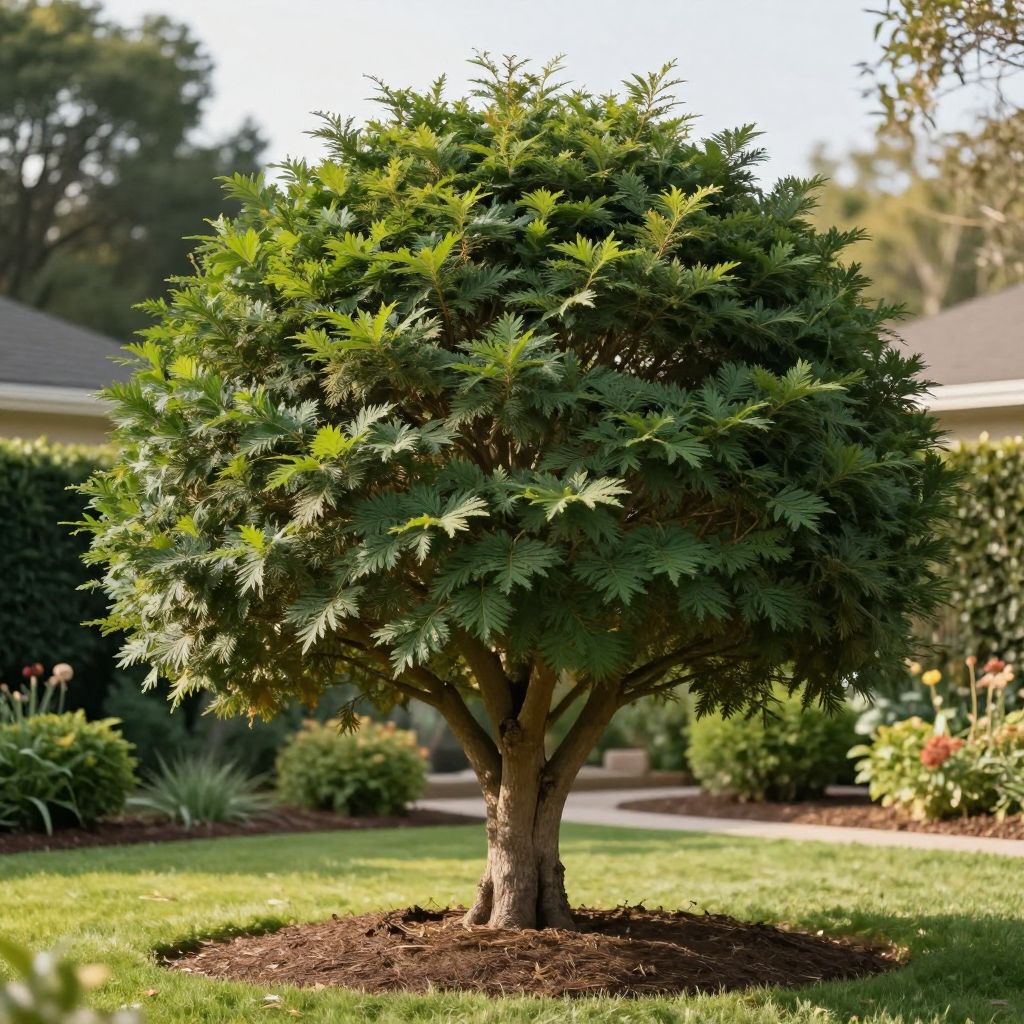
“What kind of tree is the tree of life?” is a common gardening question, but the answer depends on which plant you mean. In home gardens, the name is often used for different evergreen trees and shrubs, especially Thuja (arborvitae) and sometimes Crassula ovata (jade plant) in container growing.
If you want to identify, plant, or care for one correctly, the key is to match the plant to its growth habit, climate, and site conditions. Once you know whether you have an outdoor conifer or an indoor succulent, the care routine becomes much easier.
What kind of tree is the tree of life?
In gardening, “tree of life” usually refers to arborvitae, a group of evergreen conifers in the genus Thuja. These are upright, scale-leaved landscape trees and shrubs valued for hedges, screens, and specimen plantings. In some settings, the name is also used for jade plant, Crassula ovata, which is a succulent rather than a true tree.
How to tell which “tree of life” you have
Start by looking at the leaves, growth form, and where the plant is growing. That will usually tell you whether you’re dealing with an outdoor arborvitae or an indoor container plant.
Arborvitae (Thuja) clues
- Flat sprays of tiny scale-like leaves
- Evergreen foliage that stays on year-round
- Often planted outdoors as a hedge or privacy screen
- Conical, columnar, or pyramidal shape
Jade plant (Crassula ovata) clues
- Thick, fleshy, oval leaves
- Woody stems that can become tree-like over time
- Usually grown in pots indoors or on patios in warm climates
- Needs very bright light and fast-draining soil
Growing arborvitae: the most common “tree of life” in gardens
Arborvitae are dependable landscape evergreens when planted in the right place. They prefer full sun to light shade, moist but well-drained soil, and protection from harsh drying winds, especially when young.
Best planting conditions
- Sunlight: Full sun is best for dense growth, though some types tolerate light shade.
- Soil: Average garden soil is fine if drainage is good.
- Moisture: Even moisture helps young plants establish.
- Air circulation: Good spacing reduces disease and browning.
Planting tips
- Choose a site with enough room for the mature width and height.
- Dig a hole as deep as the root ball and about 2 times as wide.
- Set the plant so the top of the root ball is level with the surrounding soil.
- Backfill with the native soil unless it is extremely poor or compacted.
- Water thoroughly to settle the soil around the roots.
- Apply 2 to 3 inches of mulch, keeping it a few inches away from the trunk.
Avoid planting arborvitae too deep. Deep planting can stress roots and lead to decline over time.
Watering and maintenance
Young arborvitae need regular watering during their first growing season, especially during dry spells. After establishment, they are more tolerant, but they still perform best with consistent moisture rather than repeated drought stress.
- Water deeply when the top few inches of soil begin to dry.
- Check soil moisture by hand instead of following a rigid schedule.
- Reduce watering in cool, wet weather.
- In winter, water during dry periods if the ground is not frozen and the plant is exposed to drying winds.
Pruning arborvitae correctly
Arborvitae usually need only light pruning. Trim to shape in late spring or early summer, and avoid cutting back into old bare wood because many varieties do not regrow well from it.
- Remove dead, damaged, or crossing branches first.
- Lightly shorten soft new growth if you want a tidier shape.
- Keep hedge tops slightly narrower than the base so lower branches receive light.
Growing jade plant if that is your “tree of life”
If the plant is jade, the care is very different. Jade plants need bright light, sharply draining soil, and careful watering because their thick leaves store moisture.
Light and placement
Indoors, place jade near a bright south- or west-facing window if possible. Outdoors, give it morning sun and afternoon protection in hot climates, or filtered sun if the light is intense.
Soil and potting
- Use a cactus or succulent mix, or amend potting soil with mineral material for faster drainage.
- Choose a pot with drainage holes.
- Repot only when the plant becomes crowded or top-heavy.
Watering jade plants
Water thoroughly, then let the soil dry out before watering again. Overwatering is the most common mistake and can cause root rot, leaf drop, and soft stems.
- Do not keep the soil constantly damp.
- Water less in winter when growth slows.
- Empty saucers so roots do not sit in water.
Pruning and shaping jade
You can prune jade to encourage branching and a more tree-like shape. Use clean pruners and remove leggy growth above a leaf node. The cut stems can often be rooted as cuttings if allowed to dry first.
Common problems and how to fix them
Whether you have arborvitae or jade, most issues come from light, water, or root stress. Correcting those basics usually solves more problems than any product does.
Arborvitae problems
- Browning foliage: Often caused by drought, winter burn, salt exposure, or root stress.
- Thin growth: Can result from too much shade or crowding.
- Yellowing: May point to poor drainage or compacted soil.
To reduce browning, water deeply during dry periods, mulch correctly, and avoid planting in exposed windy sites if you can. If the plant is already stressed, pruning should be minimal until it recovers.
Jade plant problems
- Mushy stems or leaves: Usually overwatering or poor drainage.
- Leggy growth: Usually too little light.
- Wrinkled leaves: Can mean the plant is too dry or roots are damaged.
For jade, the best fix is often to move it to brighter light and adjust watering rather than adding more fertilizer.
Pests and diseases to watch for
Healthy plants are less likely to have serious pest problems, but it helps to inspect them regularly so you can catch issues early.
Arborvitae pests and diseases
- Spider mites in hot, dry conditions
- Bagworms on outdoor evergreens
- Root rot in poorly drained soil
- Needle and twig blights during prolonged wet periods
Good spacing, proper watering, and removing heavily infested or dead material are the first lines of defense. Always clean pruners after working on diseased plants.
Jade plant pests and diseases
- Mealybugs in leaf joints
- Scale insects on stems
- Root rot from excess moisture
For small infestations, isolate the plant and remove pests manually with a cotton swab dipped in alcohol if appropriate for your setup. For larger problems, improve growing conditions first so the plant can recover.
Propagation and replacement options
If you want more plants, both arborvitae and jade can be propagated, though success rates and methods differ.
Arborvitae propagation
Arborvitae are usually propagated from cuttings rather than seed in home gardens. Semi-hardwood cuttings taken from healthy growth can root, but they need steady moisture and patience.
Jade propagation
Jade is much easier to propagate. Let a healthy cutting callus for a few days, then place it in a dry, well-draining mix. Water lightly only after roots begin to form.
Landscaping uses and design tips
Arborvitae are especially useful where you need structure, privacy, or year-round greenery. They work well as hedges, windbreaks, corner anchors, and background plantings.
- Leave enough space for mature width so plants do not crowd each other.
- Mix them with flowering shrubs or perennials for seasonal interest.
- Choose a variety that fits the site rather than forcing a large tree into a small bed.
Jade, by contrast, is best used in containers, patios, or bright indoor spots where its sculptural form can be appreciated up close.
Quick care checklist
- Identify the plant first: arborvitae or jade.
- Match light to the plant: sun outdoors for arborvitae, bright light for jade.
- Prioritize drainage: especially for jade and for any arborvitae in heavy soil.
- Water based on soil moisture: not on a fixed calendar alone.
- Prune lightly: avoid cutting into old bare wood on arborvitae.
Conclusion
If you were wondering what kind of tree the tree of life is, the most practical answer for gardeners is usually arborvitae, with jade plant as another common use of the name. Once you identify which one you have, you can give it the right light, water, soil, and pruning care for steady growth.
For more help identifying plants in your garden, you may also find this guide useful: what type of tree is this?