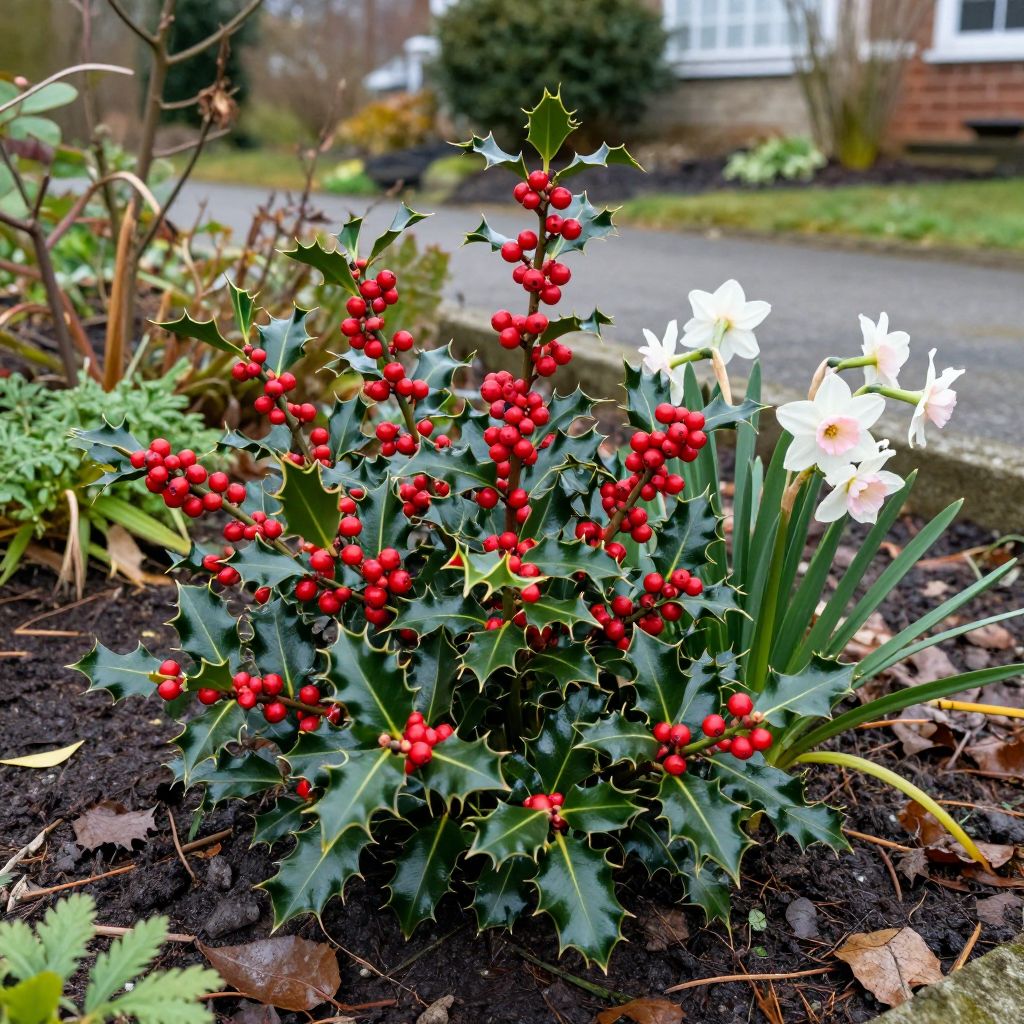
What is the flower for December? The answer depends on whether you mean a birth flower, a seasonal bloom, or a plant you can actually grow in winter. In gardening, December is most commonly associated with holly and narcissus paperwhite in many gift and seasonal contexts, while some regions also celebrate carnation as a December birth flower.
If you want the practical gardening answer, paperwhites are one of the easiest flowers to enjoy indoors in December, while holly is a classic winter landscape plant. Here’s how to identify them and grow them well in the conditions you actually have.
What is the flower for December?
The most commonly recognized December flowers are narcissus paperwhite (Narcissus papyraceus) and holly (Ilex spp.) as a winter plant with decorative berries and foliage. In some traditions, carnation (Dianthus caryophyllus) is also used as a December flower. Which one matters most depends on whether you want an indoor bloom, a cut flower, or a winter garden plant.
How to identify the main December flowers
Paperwhite narcissus
Paperwhites are bulb flowers that produce clusters of small, white, fragrant blooms on upright stems. They are often forced indoors for winter display and are one of the easiest flowers to bloom in December.
- Flowers: White, star-shaped, usually fragrant
- Growth habit: Tall stems from bulbs, often 12 to 18 inches
- Best use: Indoor pots, bowls, and holiday containers
Holly
Holly is not usually grown for its flowers in winter, but it is strongly associated with December because of its glossy evergreen leaves and bright berries. Female plants produce berries if a compatible male pollinator is nearby.
- Foliage: Shiny evergreen leaves, often spiny
- Fruit: Red, orange, or yellow berries on female plants
- Best use: Shrubs, hedges, and winter interest in the landscape
Carnation
Carnations are long-lasting cut flowers with ruffled petals and a spicy scent. They are more often sold as florist flowers than as winter garden plants, but they are sometimes linked with December in floral traditions.
- Flowers: Frilled, layered petals in many colors
- Growth habit: Herbaceous perennial or annual depending on climate
- Best use: Cut flower gardens, containers, and cool-season beds
Growing paperwhites indoors in December
Paperwhites are the easiest true December bloom for home gardeners because they can flower indoors without chilling. You can grow them in soil, pebbles, or water, but they need bright light and cool indoor temperatures to stay compact and upright.
Planting paperwhite bulbs
- Choose firm bulbs with no soft spots or mold.
- Use a container with drainage if planting in soil.
- Set bulbs close together, with the pointed end up.
- Cover the roots and lower bulb, leaving the top third exposed if desired.
- Water lightly after planting, then keep the medium just barely moist.
Important: Paperwhites grown in warm rooms often stretch and flop. A bright, cool spot is much better than a dim, warm one.
Light, temperature, and care
- Light: Bright indirect light or a sunny windowsill
- Temperature: Cool indoor conditions help stems stay shorter and sturdier
- Water: Keep evenly moist, but never soggy
If your paperwhites lean, rotate the pot every few days and move them to the brightest cool location you have. A support ring or decorative stake can help taller stems stay upright.
Common paperwhite problems
- Flopping stems: Usually caused by too much warmth or not enough light
- Rotting bulbs: Often from overwatering or poor drainage
- Weak bloom: Can happen if bulbs are undersized or damaged
After flowering, many gardeners compost the bulbs, because forced paperwhites often do not rebloom well indoors.
How to grow holly for winter interest
Holly is a landscape shrub or small tree that gives structure and color through winter. It is best planted outdoors in the right climate and soil, where it can live for many years with minimal fuss once established.
Site and soil needs
Most hollies grow best in well-drained soil and full sun to partial shade. They dislike waterlogged ground, especially in winter, so drainage matters more than rich feeding.
- Sunlight: Full sun to partial shade, depending on species and climate
- Soil: Moist but well-drained, slightly acidic is often preferred
- Spacing: Allow room for mature width; many hollies become large shrubs
Planting and maintenance
- Dig a hole as deep as the root ball and wider than the container.
- Loosen circling roots before planting.
- Backfill with native soil improved only if needed with compost.
- Water deeply after planting and mulch lightly, keeping mulch off the trunk.
- Water during dry spells until established.
Holly does not usually need heavy pruning. Remove dead, damaged, or crossing branches after winter, and shape lightly if needed. Heavy pruning can reduce berry display on female plants.
Pollination and berries
Many holly species have separate male and female plants. If you want berries, you usually need at least one male plant nearby to pollinate the female. Without pollination, female plants may flower but produce few or no berries.
Tip: If your holly has flowers but no berries, check whether you have a compatible male nearby and whether the plants bloom at the same time.
Can you grow carnations for a December display?
Carnations are less common as outdoor December flowers, but they can be grown for cool-season color in mild climates or as greenhouse and container plants. They prefer bright light, good air circulation, and soil that drains well.
Basic carnation care
- Light: Full sun for best flowering
- Soil: Loose, fertile, well-drained soil
- Water: Water when the top layer of soil begins to dry
- Airflow: Important to reduce fungal disease
Deadhead spent flowers to encourage more blooms. In wet or humid weather, avoid crowding plants, because carnations can develop mildew or stem rot if airflow is poor.
Seasonal tips for December gardening
December gardening is often about adapting to the weather rather than pushing growth. In cold climates, most outdoor plants slow down, while indoor bulbs and protected shrubs become the main focus.
- Protect containers from freezing and thawing cycles.
- Check drainage so winter rain or meltwater does not sit around roots.
- Water evergreens during dry, unfrozen periods if the soil is dry.
- Keep indoor blooms away from heaters, which dry them out fast.
If you garden in a mild winter climate, you may be able to plant or maintain winter-blooming flowers outdoors. In colder regions, focus on container displays, greenhouse growing, and protecting established shrubs.
Common mistakes to avoid
- Overwatering bulbs: Paperwhites need moisture, not soggy soil.
- Planting in poor drainage: Holly roots can suffer in wet ground.
- Expecting every December flower to grow the same way: Indoor bulbs, shrubs, and cut flowers have very different needs.
- Using too much heat indoors: Warm rooms shorten bloom life and cause weak stems.
- Pruning at the wrong time: Heavy pruning can remove flower buds or reduce berry display.
Troubleshooting by symptom
Paperwhites are tall and top-heavy
Move them to brighter light and a cooler room. If needed, give them a discreet stake or place them in a deeper container for support.
Holly has yellowing leaves
Check drainage, watering, and soil pH. Yellowing can come from root stress, poor drainage, or nutrient issues, but the first thing to inspect is whether the soil stays too wet.
Carnations have few blooms
They may need more sun, lighter feeding, or deadheading. Crowded plants and excess shade are common reasons for weak flowering.
Choosing the right December flower for your garden
If you want a fast indoor bloom, choose paperwhite narcissus. If you want a lasting winter shrub with year-round structure, choose holly. If you want a cool-season cut flower and have the right climate or indoor setup, carnations can work well.
So, what is the flower for December? For most gardeners, the practical answer is paperwhite narcissus for indoor bloom and holly for winter landscape interest. Choose the plant that matches your climate, light, and space, then give it the right conditions rather than forcing a one-size-fits-all routine.
If you want to keep planning your winter garden, you may also enjoy reading about how to care for indoor bulbs in winter and evergreen shrubs for year-round structure.