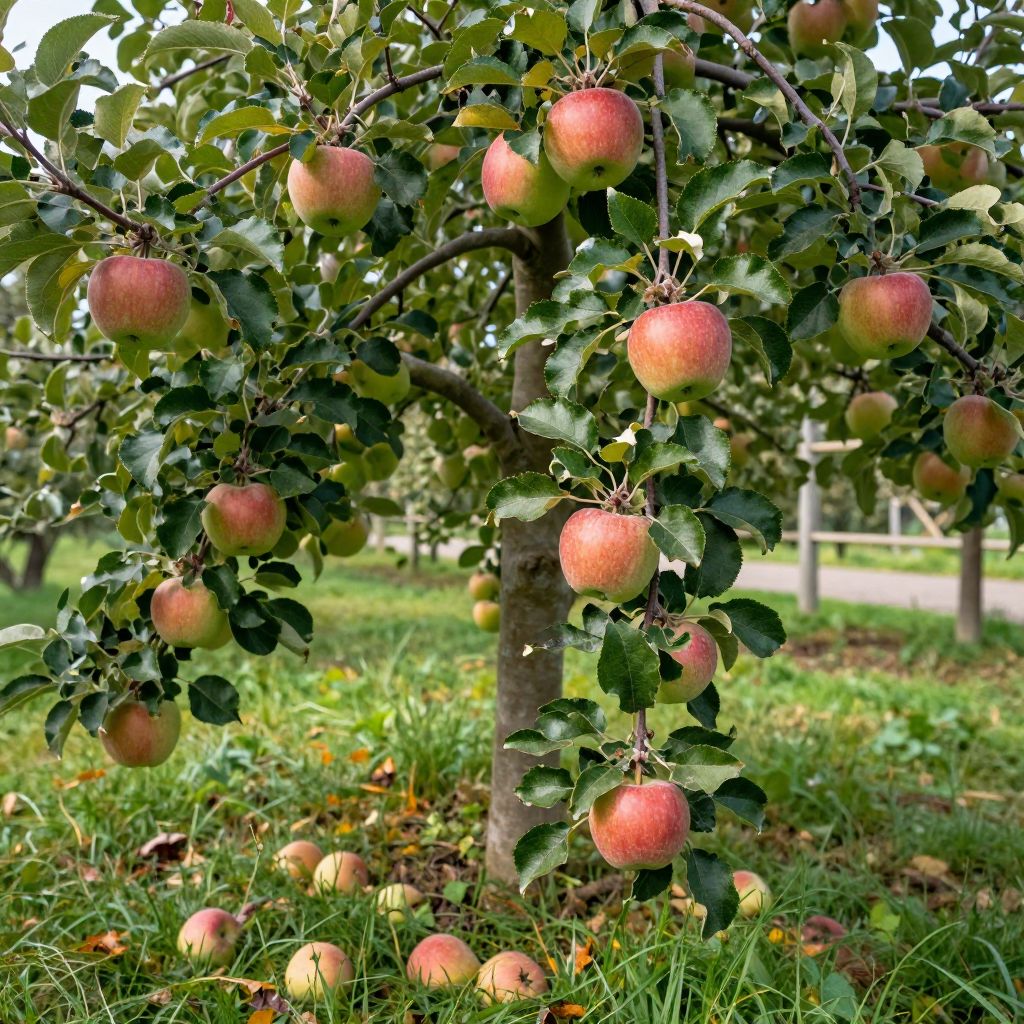
When are apples in season? The short answer is that most apples are harvested from late summer through late fall, but the exact timing depends on the variety and your local climate. Early apples can ripen in midsummer, while storage apples are often picked later and may taste better after a short rest in storage.
If you grow apples, knowing the season helps you harvest at the right time, avoid bruising, and store fruit properly. It also helps you choose varieties that fit your region, since chilling, bloom time, and autumn temperatures all affect when apples are ready.
When are apples in season?
Apples are usually in season from late summer through fall, with the peak harvest in many home gardens falling between August and October. Early-season apples ripen first, midseason varieties follow, and late-season apples can hang into November in mild climates. In the store, imported or cold-stored apples may be available year-round, but garden-fresh flavor is best at harvest.
What affects apple harvest timing?
Apple season is not the same everywhere. Weather, variety, tree age, and local elevation all change when fruit ripens.
Climate and location
Cooler regions often have a shorter growing season, so apples may ripen later and all at once. Warmer areas can bring earlier harvests, but fruit may also soften faster if heat arrives early.
Variety differences
Some apples are naturally early, such as summer apples, while others are bred for storage and harvest later in the season. A tree can also carry fruit that ripens over several weeks rather than all at once.
Tree maturity and crop load
Young trees may produce fewer apples and sometimes ripen unevenly. Heavy crops can also delay color development and make fruit size smaller, which can affect when apples seem ready.
How to tell when apples are ready to pick
Do not rely on color alone. Apples can look ripe before they are fully mature, and some varieties stay green even when ready.
- Lift-and-twist test: Mature apples usually release with a gentle upward lift and twist. If you must pull hard, wait a few more days.
- Seed color: Seeds often darken as apples mature, though this is not perfect for every variety.
- Flavor: A ripe apple should taste sweet-tart and fully developed, not starchy or bland.
- Background color: Many apples lose some green and develop a more yellow or creamy background color as they ripen.
- Flesh texture: The flesh should feel firm but not hard and watery.
If you are unsure, pick one apple and test it. If the flavor is still flat, wait a few days and check again.
Typical apple season by type
Different apple types mature at different times, so it helps to think in groups rather than exact calendar dates.
Early-season apples
These often ripen in late summer. They are best eaten soon after picking because many do not store well for long.
Midseason apples
These usually come in during early to mid fall. They often balance eating quality with moderate storage life.
Late-season and storage apples
These are commonly harvested in mid to late fall. Some improve after a short period in cool storage, developing better flavor and texture.
Because cultivars vary widely, use your tree tag, nursery information, or local extension guidance to narrow down the likely harvest window for your area.
How to harvest apples without damaging the tree
Harvest carefully so you do not bruise fruit or break spur wood, which can reduce next year’s crop.
- Pick on a dry day if possible.
- Hold the apple in your palm and lift it upward.
- Twist gently until the stem separates.
- Place apples into a shallow container rather than dropping them into a bucket.
- Set aside any damaged fruit for immediate use.
Do not yank apples downward. That can tear the stem end and damage fruiting spurs.
Storing apples after harvest
Storage matters if you want to enjoy apples beyond the picking window. The best storage conditions are cool, humid, and well ventilated.
Short-term storage
Keep sound apples in the refrigerator or another cool place. Separate fruit with bruises or cuts, because damaged apples spoil faster.
Longer storage
For longer keeping, store apples in a cool area close to 32–40°F if you have one, with moderate humidity and airflow. Check them regularly and remove any fruit that softens or shows rot.
Different varieties store differently, so some apples may keep for weeks while others are best eaten within days.
Growing apples for better seasonal harvests
If you want reliable harvest timing, good tree care throughout the year matters as much as the season itself.
Sunlight and site
Apples need full sun for best fruiting. Aim for at least 6 to 8 hours of direct light daily, with good air movement to help leaves dry after rain.
Soil and drainage
Apple trees do best in well-drained soil. Heavy, waterlogged ground can weaken roots and reduce fruit quality, so improve drainage before planting if needed.
Watering
Young trees need consistent moisture while they establish. Mature trees benefit from deep watering during dry spells, especially while fruit is sizing up, but avoid keeping the root zone constantly wet.
Mulch and compost
A layer of organic mulch helps conserve moisture and moderate soil temperature. Keep mulch a few inches away from the trunk to prevent rot and rodent damage. Compost can improve soil structure, but avoid piling rich material directly against the bark.
Pruning and thinning for better ripening
Pruning and thinning can improve light penetration, fruit size, and ripening uniformity. They also make it easier to judge when apples are in season on your tree.
- Prune in the dormant season to open the canopy and remove crowded, crossing, or damaged branches.
- Thin fruit in early summer if the tree sets too many apples.
- Leave enough spacing so fruit can color and mature evenly.
Overloaded trees often produce smaller fruit that ripens unevenly. Thinning helps the remaining apples reach better size and quality.
Common problems that affect apple season
Several issues can delay ripening or reduce harvest quality. Catching them early makes a big difference.
Codling moth and insect damage
Wormy or scarred apples may look ready but be unusable. Remove damaged fruit promptly and monitor the tree through the season for pest activity.
Apple scab and fungal diseases
Leaf spotting and fruit blemishes can reduce appearance and storage life. Good sanitation, airflow, and removal of fallen leaves and fruit help lower pressure.
Birds and wildlife
Birds, squirrels, and deer may sample fruit before it is fully ripe. Netting or other physical barriers can protect the crop as harvest approaches.
Frost and weather swings
Late spring frost can reduce fruit set, while early autumn frost may shorten the picking window. In colder areas, watch the forecast closely as apples near maturity.
How to plan your apple season year by year
A simple seasonal routine helps you get better fruit and less guesswork.
- In winter, prune the tree and remove diseased wood.
- In spring, watch bloom time and note how heavy the fruit set is.
- In early summer, thin fruit if needed.
- From late summer onward, test a few apples every few days.
- Harvest in stages if the tree ripens unevenly.
- Store only sound fruit and use bruised apples first.
Common mistakes to avoid
- Picking by color alone instead of testing ripeness.
- Letting apples drop to the ground and bruise.
- Storing damaged fruit with healthy fruit.
- Overwatering or planting in poorly drained soil.
- Skipping pruning, which can leave fruit shaded and unevenly ripe.
Conclusion
When are apples in season? For most home gardeners, the answer is late summer through fall, with exact timing shaped by variety and local climate. Start checking fruit as it nears maturity, use the lift-and-twist test, and harvest in stages if needed. If you want to improve next year’s crop, note which trees ripened earliest and how well each variety stored.
If you want to keep learning, a good next step is to read more about apple tree pruning and how to store homegrown fruit so you can time harvests and handle your crop with confidence.