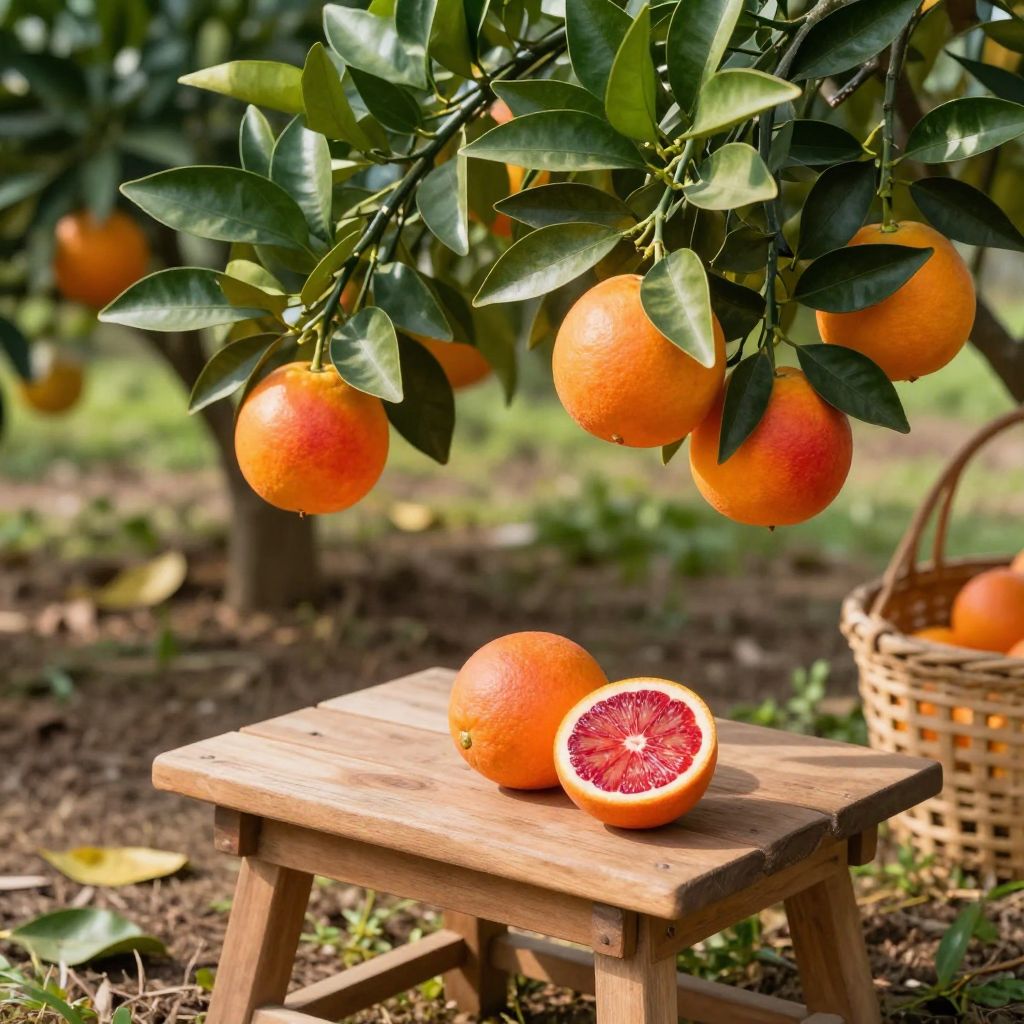
When are blood oranges in season? If you grow citrus or shop for fruit to harvest at peak quality, timing matters. Blood oranges ripen in cool weather, and their color, sweetness, and flavor develop best when nights are chilly but not freezing.
For gardeners, the season is less about a fixed calendar date and more about your climate, variety, and how long fruit stays on the tree. Knowing when to expect ripening helps you water, protect, and harvest at the right time.
When are blood oranges in season?
Blood oranges are usually in season from late winter through early spring, often peaking from December to April in many citrus-growing regions. Exact timing depends on your climate, the cultivar, and local temperatures; cooler nights bring out the red pigment, while warm weather can shorten the harvest window.
What makes blood oranges different from other oranges?
Blood oranges are sweet oranges, Citrus sinensis, with red to maroon flesh caused by pigments called anthocyanins. Those pigments develop best when the fruit experiences cool nights during ripening. In warmer areas, fruit may still taste good but show less color inside.
Why color and flavor vary from year to year
- Cool nights encourage deeper red flesh.
- Warm, steady temperatures can reduce color development.
- Sun exposure helps fruit color and sugar buildup.
- Tree stress from drought or poor nutrition can affect size and quality.
How to tell when blood oranges are ready to harvest
Do not rely on peel color alone. Blood oranges can look orange on the outside long before they are fully ripe, and some stay greenish on the peel even when the inside is ready. Taste, aroma, and fruit size are better guides than color alone.
Ripeness signs to check
- The fruit feels full-sized for the variety.
- The peel has a slight give when gently squeezed.
- The fruit smells fragrant near the stem end.
- A sample fruit tastes sweet with balanced acidity.
- The flesh shows red, pink, or burgundy tones, though intensity varies.
If you are unsure, pick one fruit and test it. Citrus does not continue to ripen much after harvest, so waiting on the tree is usually better than picking too early.
Growing conditions that help blood oranges ripen well
Blood oranges perform best in full sun, well-drained soil, and a climate with mild winters. They need enough heat to grow, but cool nights near ripening time help develop the signature red flesh. In marginal climates, a warm microclimate can help, but frost protection may still be necessary.
Sunlight and placement
Give the tree at least 6 to 8 hours of direct sun daily. A south- or west-facing spot, a sheltered courtyard, or a warm wall can improve ripening in cooler regions.
Soil and drainage
Blood oranges dislike soggy roots. Plant in loamy soil that drains well, and avoid low spots where water collects after rain.
- Improve heavy soil with compost to increase structure.
- Use raised beds or mounds if your soil stays wet.
- Keep the root flare above the surrounding soil line.
Watering during the season
Water deeply, then let the top layer of soil dry slightly before watering again. Consistent moisture supports fruit sizing, but overwatering can reduce root health and dilute flavor.
Important: Avoid sudden swings between drought and heavy watering, especially as fruit nears maturity. That can contribute to drop, splitting, or uneven quality.
How to care for blood orange trees through the season
Seasonal care affects both fruit quality and next year’s crop. A healthy tree is more likely to hold fruit well and ripen it evenly.
Feeding
Use a citrus fertilizer or a balanced feeding approach suited to your soil test and tree size. In most home gardens, it is better to feed lightly and consistently than to overapply fertilizer, which can push leafy growth at the expense of fruit quality.
Mulching
Apply organic mulch 2 to 4 inches deep, but keep it a few inches away from the trunk. Mulch helps steady soil moisture and protects shallow roots.
Pruning
Prune lightly after harvest or in late winter in mild climates. Remove dead wood, crossing branches, and suckers below the graft union. Avoid heavy pruning right before or during fruiting, since that can reduce the current crop.
Harvesting blood oranges without damaging the tree
Harvest by clipping fruit rather than yanking it off. Citrus stems can tear bark if pulled, and damaged twigs may invite disease or reduce future flowering.
- Choose a dry day if possible.
- Test a few fruits from different parts of the canopy.
- Use clean pruners or snips to cut the stem close to the fruit.
- Handle fruit gently to avoid bruising.
- Store in a cool, airy place and use promptly for best flavor.
If the fruit is still too tart, leave it on the tree and retest in a week or two. Blood oranges often improve in sweetness as the season progresses, especially in cool weather.
Common problems that affect blood orange season
Several issues can interfere with ripening, color, or crop quality. Catching them early helps you protect the fruit you have and improve next season’s harvest.
Poor red color inside
If the flesh stays pale, the tree may not be getting enough cool nights during maturation. This is common in warm climates and does not necessarily mean the fruit is poor quality.
Fruit drop
Sudden drought, waterlogging, heat stress, or pest pressure can cause fruit to drop before maturity. Keep soil moisture even and inspect the tree regularly.
Split or damaged fruit
Irregular watering can lead to splitting. Pests, birds, and sunburn can also damage ripe fruit, especially on exposed branches.
Pests and diseases
- Aphids can distort new growth and attract ants.
- Scale insects weaken trees and leave sticky residue.
- Leaf miners damage tender flushes.
- Fungal problems are more likely where airflow is poor and foliage stays wet.
Use good sanitation, prune for airflow, and inspect new growth often. If you see sticky leaves, curled shoots, or sooty buildup, check for sap-sucking insects before the problem spreads.
Can you grow blood oranges in containers?
Yes, if your climate is too cold for in-ground citrus or you want more control over soil and winter protection. Container-grown blood oranges can fruit well, but they need more frequent watering and careful feeding than trees in the ground.
Container basics
- Use a large pot with drainage holes.
- Choose a free-draining citrus potting mix.
- Place the pot in full sun during the growing season.
- Move or protect the tree before frost if your area gets cold.
Container trees often ripen fruit a little differently from in-ground trees because root temperatures change faster. Watch the fruit closely and adjust watering to match weather, pot size, and wind exposure.
How to adapt the season to your local climate
There is no single blood orange calendar that fits every garden. In a mild Mediterranean or subtropical climate, fruit may hang on the tree into spring. In cooler areas, ripening may be later, slower, or less colorful unless the tree gets enough heat and sun.
Use your own tree as the guide. Track when flowering begins, when fruit sets, and when flavor improves, then compare that with local weather patterns from year to year.
Practical mistakes to avoid
- Picking by peel color alone.
- Overwatering near harvest.
- Pruning heavily while fruit is developing.
- Planting in shade or poorly drained soil.
- Expecting deep red flesh in a warm climate every year.
Conclusion
When are blood oranges in season? For most gardeners, expect late winter to early spring, with the best color and flavor developing after cool nights. Check fruit for size, fragrance, and taste rather than peel color alone, and keep the tree healthy with sun, drainage, and steady moisture.
If you want to improve next year’s harvest, start by observing when your tree flowers and how long the fruit stays on the branch. For more citrus care guidance, look for related articles on pruning, container growing, and seasonal feeding.