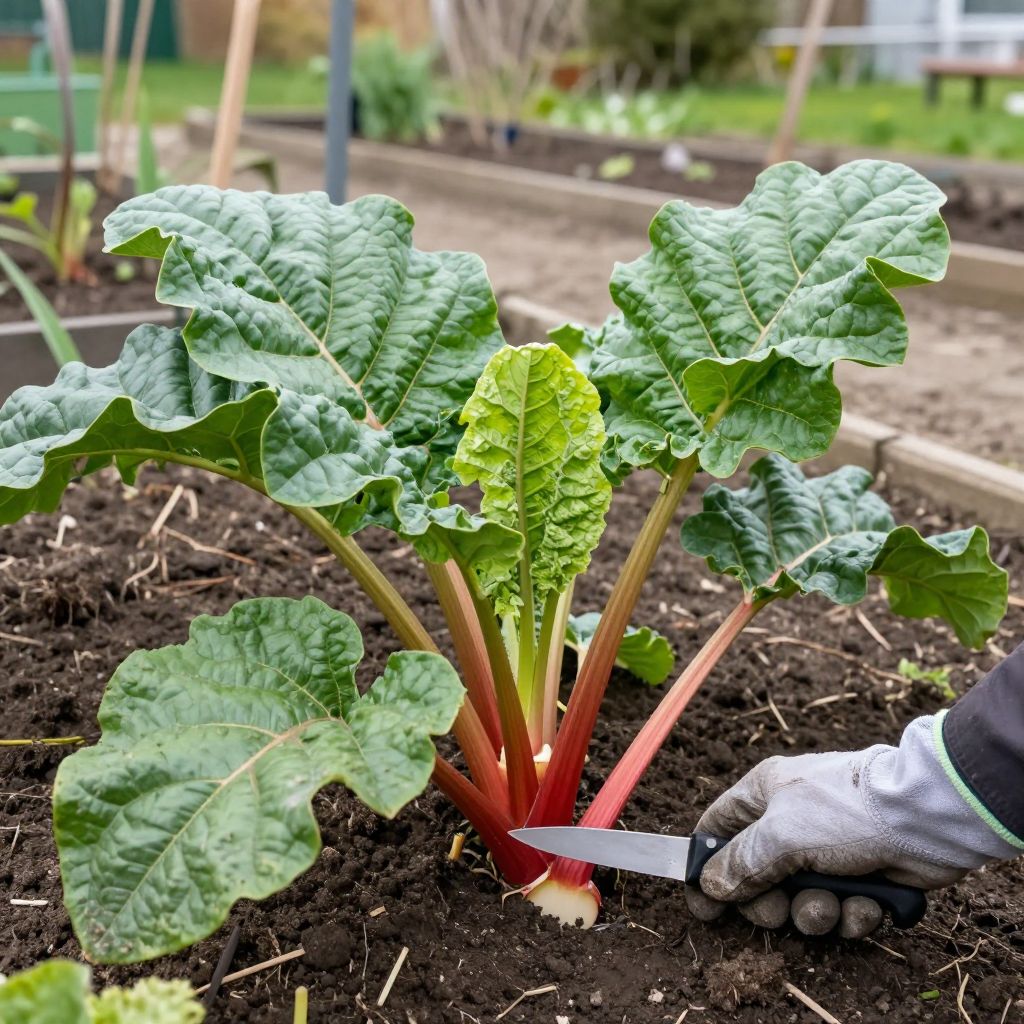
Wondering when is rhubarb in season? The answer depends on whether you mean the harvest window in the garden or the time you’ll find fresh stalks at markets. In most temperate climates, rhubarb is harvested in spring to early summer, with the best stems appearing once the plant is established and growth is vigorous.
Because rhubarb responds to local weather, soil warmth, and plant age, the season is not the same everywhere. Understanding its growth cycle helps you pick stalks at the right time, protect the crown, and keep the plant productive for years.
When is rhubarb in season?
Rhubarb is typically in season from early spring through early summer, with the strongest harvest in cool weather. In many gardens, picking starts when stalks are thick enough to pull and ends by midsummer so the crown can rebuild energy for next year. In warmer climates, the season may start earlier and finish sooner.
How rhubarb’s season works
Rhubarb is a perennial grown for its leaf stalks, not its leaves. It emerges when soil begins to warm in spring, grows quickly in cool conditions, and slows as temperatures rise.
The exact harvest window depends on your climate:
- Cool temperate areas: often late spring into early summer.
- Milder regions: sometimes earlier in spring, with a shorter harvest period.
- Cold climates: harvest may begin later, once growth is well underway.
As a rule, rhubarb is a spring crop. Once summer heat builds, stalks can become tougher and the plant needs time to store energy in its crown and roots.
How to tell rhubarb is ready to harvest
Do not go by calendar date alone. A mature rhubarb plant is ready when the stalks are firm, well colored for the variety, and at least about 10 to 15 inches long.
Look for these signs:
- Stalks are thick and upright, not thin and spindly.
- Leaves are fully open and healthy.
- The plant has several stalks, so you are not taking the whole crown at once.
Only harvest from established plants. Newly planted rhubarb needs time to root in and build strength before you start cutting or pulling stalks.
First-year and second-year plants
If you planted rhubarb recently, be patient. In the first year, it is usually best to leave the plant alone so it can establish. In the second year, harvest only lightly if the plant is strong. By the third year, a healthy crown can usually handle a fuller harvest.
Best growing conditions for a longer rhubarb season
Rhubarb stays productive longer when it has the right growing conditions. It prefers full sun in cooler climates and light afternoon shade where summers are hot.
Give it:
- Rich, moisture-retentive soil with plenty of organic matter.
- Good drainage so the crown does not sit in water.
- A planting site with room to spread, since mature plants become large.
Before planting, work in compost or well-rotted manure if your soil is poor. Rhubarb is a heavy feeder and performs best in deep, fertile ground.
Soil and drainage
Rhubarb dislikes waterlogged soil. If your garden stays wet after rain, plant on a raised bed, mound, or improved site with better drainage.
Heavy clay can work if you improve structure with organic matter, but avoid planting where water pools in winter or early spring.
Sunlight and temperature
Cool spring weather is ideal for rhubarb. Strong heat can shorten the season and make stalks less tender.
If you garden in a hot region, choose a spot with morning sun and some afternoon shade. Mulch helps keep roots cooler and soil moisture steadier.
How to harvest rhubarb without weakening the plant
Harvesting the right way helps extend the season and protects next year’s crop. Pull stalks rather than cutting them when possible, because pulling encourages a cleaner break from the crown.
- Choose stalks that are mature and at least 10 to 15 inches long.
- Grasp the stalk near the base.
- Twist gently and pull outward to remove it.
- Leave smaller stalks to keep the plant growing.
Never remove all the stalks from one plant. Keep enough foliage so the crown can continue making food through the leaves.
Do not eat rhubarb leaves. The leaves are toxic and should be trimmed away and discarded or composted only if your compost system is reliable and complete.
When to stop harvesting
Many gardeners stop harvesting by early to midsummer, depending on climate. This gives the plant time to recover and store energy for the next season.
If stalks become thin, growth slows, or the plant looks tired, it is a good sign to stop picking and let it rest.
Planting rhubarb for reliable seasonal harvests
If you want a dependable rhubarb season each year, start with a strong crown or division in a suitable site. Rhubarb can live for many years when planted well.
Plant crowns so the buds sit just below the soil surface, then water in thoroughly. Space plants generously, because mature clumps need airflow and room to expand.
- Choose a permanent site with good drainage.
- Enrich the soil with compost before planting.
- Mulch after planting to conserve moisture and suppress weeds.
- Avoid crowding rhubarb with aggressive neighboring plants.
Because rhubarb is long-lived, the planting site matters more than quick fixes. A poor location can shorten the season and reduce vigor for years.
Seasonal care through the year
Rhubarb care changes with the seasons. Matching your maintenance to the plant’s growth cycle keeps it productive and healthy.
Spring
Watch for new shoots as the weather warms. Remove weeds early, check moisture, and begin harvesting only when the plant is established and the stalks are ready.
Early summer
This is often the main harvest period. Keep the soil evenly moist, especially during dry spells, and stop harvesting if growth starts to slow.
Late summer and fall
Let the plant rebuild strength. Remove flower stalks if they appear, and top-dress with compost if needed. In cooler regions, a layer of mulch can protect the crown through winter.
Winter
Rhubarb dies back naturally in cold climates. Avoid disturbing the crown when the ground is frozen or saturated, and wait for spring growth to resume.
Common problems that affect rhubarb season
Several issues can shorten the harvest window or reduce stalk quality. Most are easy to manage if you catch them early.
Bolting or flowering
If rhubarb sends up a flower stalk, remove it as soon as you see it. Flowering can reduce vigor and may signal stress from age, weather, or growing conditions.
Thin or weak stalks
Thin stalks often mean the plant is too young, overcrowded, underfed, or stressed by heat and drought. Improve soil, water consistently, and avoid overharvesting.
Rot and crown problems
Soft or rotting crowns usually point to poor drainage. If the site stays wet, improve drainage or replant in a better location.
Pests and disease
Rhubarb is generally trouble-free, but slugs, snails, and crown rot can appear in damp conditions. Keep the area weed-free, improve airflow, and avoid overwatering.
Dividing rhubarb to refresh an old planting
Older rhubarb clumps can become crowded and less productive. Division can restore vigor and improve future seasons.
Divide mature crowns when the plant is dormant or just beginning to wake in cooler weather, depending on your climate. Each division should have at least one healthy bud and a good portion of root attached.
- Lift the crown carefully.
- Split it into healthy sections with buds and roots.
- Replant in prepared soil at the correct depth.
- Water well and allow time to re-establish before heavy harvesting.
After division, expect a lighter harvest while the new plants settle in. That short pause usually pays off with better growth later.
Quick guide: what to do if your rhubarb season seems short
If your rhubarb season feels disappointingly brief, the cause is usually weather, plant age, or site conditions. Start by checking the basics before assuming the plant is failing.
- Is the plant mature enough to harvest?
- Is the soil fertile and well drained?
- Is it getting enough moisture during dry weather?
- Is summer heat ending the harvest early?
- Have you been taking too many stalks too soon?
Improving soil, mulching, watering deeply during dry spells, and stopping harvest in time can make a big difference over the next season.
Conclusion
Rhubarb is usually in season in spring and early summer, but the exact timing depends on your climate and how well the plant is growing. Harvest only established crowns, stop before summer heat weakens the plant, and keep the soil rich and evenly moist for the best results.
If you want to plan your garden season more effectively, a good next step is to review how to grow perennial vegetables and spring vegetable harvest timing for more seasonal planting and care tips.