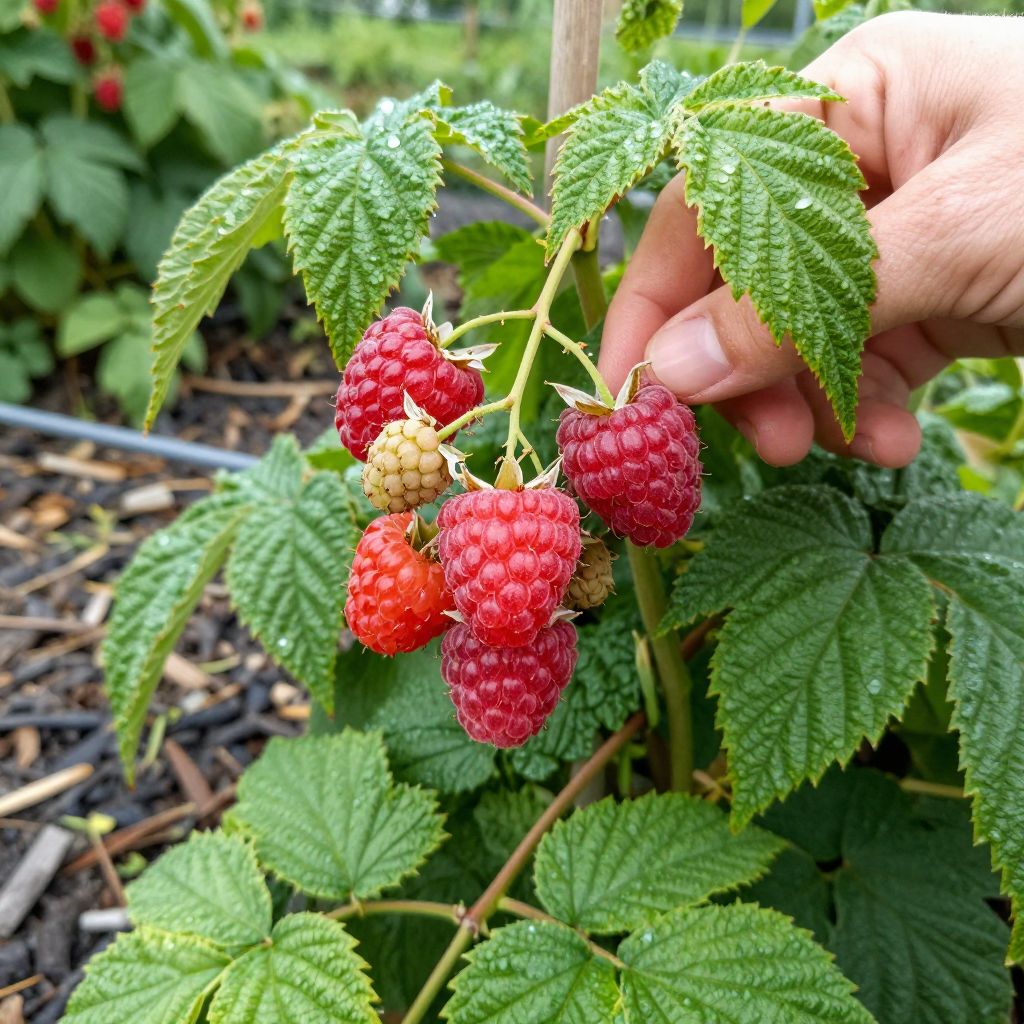
When are raspberries in season? The short answer is: it depends on the type of raspberry and your climate. Most home gardeners can expect a harvest from late spring through summer, with some varieties producing a second crop in early fall. The exact timing shifts with weather, variety, and whether your plants are summer-bearing or everbearing.
If you know what kind of raspberry you’re growing, you can predict harvest windows more accurately and avoid missing fruit at peak ripeness. Good pruning, full sun, and steady moisture all help the canes produce the best crop during their season.
When are raspberries in season?
Raspberries are typically in season from late spring to midsummer for summer-bearing types, and from midsummer into fall for everbearing or primocane-fruiting types. In cooler regions, harvest may start later; in warmer areas, it often begins earlier. The season is short for each flush, so check plants every day or two when fruit starts coloring.
How raspberry types affect the harvest season
The biggest factor in raspberry season is the fruiting habit of the plant. Knowing the type tells you when to expect berries and how to prune them correctly.
Summer-bearing raspberries
Summer-bearing raspberries usually produce one main crop on canes that grew the previous year. Their harvest often lasts a few weeks in early to midsummer, depending on your location.
Everbearing or fall-bearing raspberries
Everbearing raspberries can fruit on first-year canes, often giving a crop in late summer or fall. Some also produce a smaller early crop on second-year canes if you leave them uncut. In many gardens, this type extends the raspberry season well beyond the summer-bearing window.
Why local climate matters
Cool springs delay bloom and ripening, while warm, sunny conditions speed them up. A sheltered garden, raised bed, or south-facing fence can bring fruit on earlier than an exposed, windy site. Altitude and latitude also affect timing.
What raspberries need to ripen on time
Healthy canes ripen more reliably than stressed ones. Raspberries do best in full sun, fertile soil, and consistent moisture, especially while flowering and sizing up fruit.
- Sunlight: Aim for at least 6 hours of direct sun daily, more if possible.
- Soil: Rich, well-drained soil with plenty of organic matter.
- Moisture: Even watering, especially during dry spells.
- Airflow: Good spacing reduces disease and helps fruit dry after rain.
If raspberries are shaded or crowded, the season may be later and the harvest smaller. Poor drainage can also weaken canes and reduce fruit quality.
How to tell when raspberries are ready to pick
Raspberries do not ripen much after picking, so harvest at the right stage. The fruit should be fully colored, plump, and come away from the plug with a gentle pull. If you have to tug hard, it is not ready yet.
Signs of ripe fruit
- Deep, even color for the variety
- Soft but not mushy texture
- Easy release from the plant
- Sweet aroma and full flavor
Pick in the cool part of the day if you can. Handle berries lightly, because ripe raspberries bruise easily.
How to extend the raspberry season in your garden
You can stretch harvest time by planting more than one type of raspberry. Many gardeners grow both summer-bearing and everbearing varieties so fruit arrives in waves rather than all at once.
Pruning for a longer harvest window
Pruning affects when and how much fruit you get. The right method depends on the type of raspberry.
- Summer-bearing: Remove canes that fruited after harvest, because they will not produce again.
- Everbearing: You can leave canes for a fall crop, or cut all canes down in late winter if you want a simpler single fall harvest.
Incorrect pruning is a common reason gardeners think raspberries “missed” their season. If you cut the wrong canes at the wrong time, you can remove the next crop before it forms.
Staggering varieties
If you are planting new raspberries, choose varieties with different ripening times. Early, midseason, and later types can lengthen the overall harvest period, especially in larger gardens.
Planting and care that support good fruiting
Raspberries are not difficult, but they do reward consistent care. Strong canes and healthy roots lead to a better-timed crop and fewer problems at harvest.
Best planting conditions
- Plant in well-drained soil enriched with compost.
- Avoid low spots where cold air or water collects.
- Give plants room to spread and allow air movement.
- Mulch to conserve moisture and suppress weeds.
Watering during fruit development
Raspberries need regular moisture while flowering and fruiting. Dry stress can cause small, seedy berries or fruit that ripens unevenly. Water deeply at the base rather than wetting the leaves.
Avoid letting soil swing from very dry to very wet. That kind of stress can reduce berry quality and encourage splitting.
Feeding without overdoing it
Compost is usually the safest starting point for home gardens. Too much nitrogen can push leafy growth at the expense of flowers and fruit, which may delay or reduce the season’s harvest.
Common problems that delay raspberry season
If your raspberries are late, sparse, or not ripening well, the issue is often cultural rather than seasonal. Check for these common causes before assuming the plant is failing.
- Too much shade: Fruit ripens more slowly and may be less sweet.
- Old, crowded canes: Overgrown patches reduce airflow and productivity.
- Improper pruning: Canes that should fruit may have been removed.
- Drought stress: Berries stay small or stop developing.
- Disease pressure: Weak canes often produce less fruit.
Pests and diseases to watch for
Birds, cane borers, aphids, and fungal diseases can all affect harvest timing and yield. If fruit is disappearing before you pick it, birds may be the issue. If canes wilt, spot, or die back early, inspect for disease or cane damage.
To reduce problems:
- Remove spent canes and thin crowded growth.
- Keep the planting area weed-free.
- Harvest frequently so overripe fruit does not attract pests.
- Dispose of diseased canes rather than composting them if disease is suspected.
Harvesting raspberries the right way
Pick raspberries as soon as they are fully ripe, because they soften quickly and do not store long on the plant. Frequent picking also encourages you to catch the crop at its best stage.
- Check plants every 1 to 2 days during peak season.
- Hold the berry gently and lift it from the receptacle.
- Place fruit in a shallow container to avoid crushing.
- Remove damaged or moldy berries promptly.
If rain is forecast, harvest ripe berries first. Wet fruit spoils faster and can develop mold more easily.
Can you grow raspberries for a longer season?
Yes, with planning. A mix of raspberry types, thoughtful pruning, and a sunny site can give you berries over a longer stretch of the year. In many gardens, the season can run from early summer into fall if you choose varieties carefully.
For the best results, keep notes on when your plants bloom and ripen each year. That local record is often more useful than any general calendar, because your garden’s microclimate may shift harvest timing by several weeks.
Conclusion
When are raspberries in season? Usually from late spring through summer, with some varieties continuing into fall. To get the most from your plants, match pruning to the raspberry type, keep them in full sun, and harvest often once the berries are fully colored. If you want to plan a longer harvest next year, start by identifying whether your plants are summer-bearing or everbearing.
For more help with berry care and fruiting shrubs, you may also want to read related gardening guides on pruning raspberries and growing berries in raised beds.