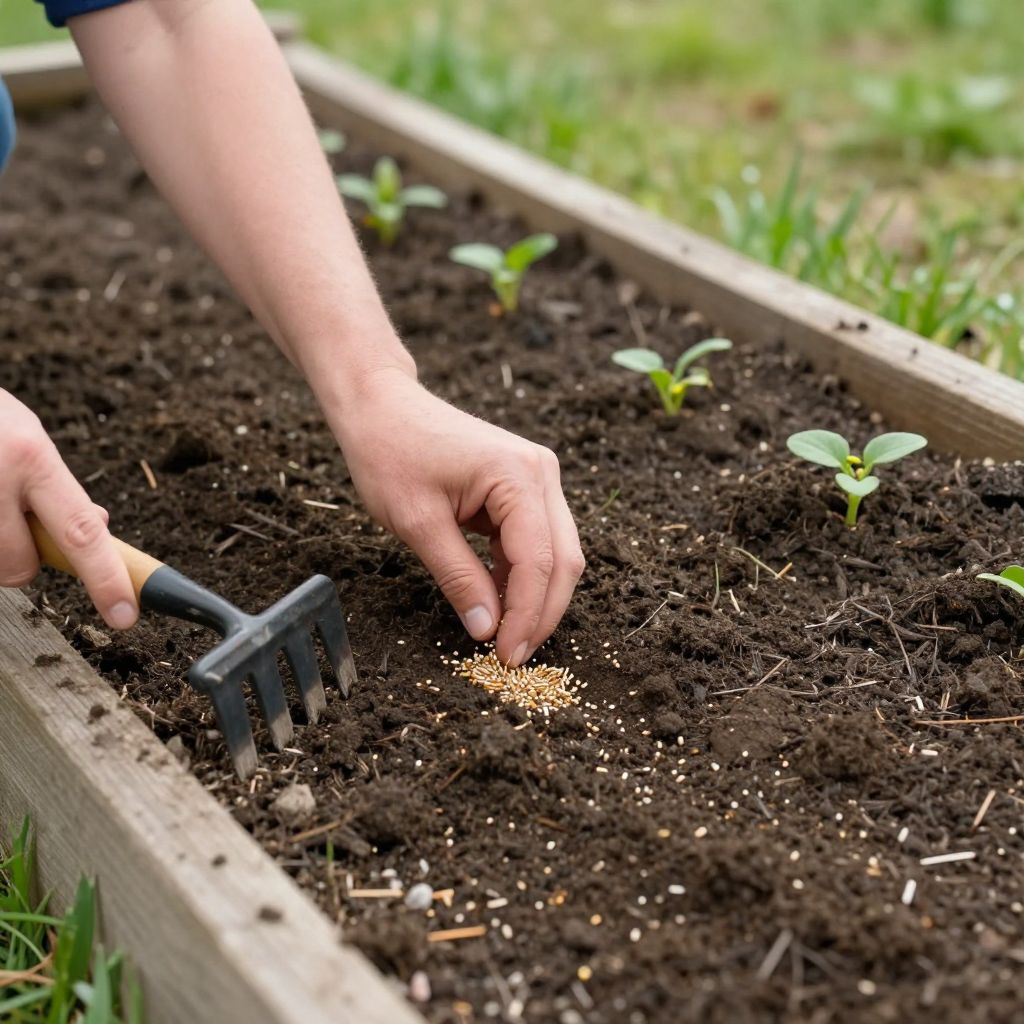
Wondering when to plant wildflowers so they actually take off? The best time depends on your climate, the seed mix, and whether you’re sowing annuals, perennials, or a blend. In many gardens, wildflowers do best when sown in a season that matches their natural germination pattern.
With the right timing, soil prep, and aftercare, you can get a fuller, more natural-looking display and fewer losses to weeds, heat, or washout. The key is to sow when conditions help the seeds settle in and sprout steadily, not when they’re rushed by extreme weather.
When to plant wildflowers?
The best time to plant wildflowers is usually in early spring or in fall, depending on your local climate and the species in the seed mix. Spring sowing works well where winters are harsh, while fall sowing often suits areas with mild winters because seeds can overwinter naturally and germinate when temperatures rise.
Choose the right season for your climate
Spring planting
Spring is often the safest choice if your area has cold winters, late frosts, or heavy spring rains that are mild enough to help seeds establish. Sow after the soil is workable and the risk of hard frost has passed for tender seedlings.
Spring planting is especially useful when you want to watch and manage weeds closely during the first few weeks. It also gives you a clearer window for watering and thinning.
Fall planting
Fall sowing can be excellent in regions with cool, moist autumns and moderate winters. Many perennial wildflower seeds benefit from a period of cold, moist conditions, which can help break dormancy and improve spring germination.
Plant in fall only when the soil is still workable and before the ground freezes. In very wet climates, avoid sowing so late that seeds wash away or rot before they settle.
Local climate matters more than the calendar
There is no single date that works everywhere. Your local frost dates, rainfall pattern, and summer heat all affect success. If you live in a hot-summer region, early spring or late fall is often better than midsummer. In cooler regions, spring sowing may give seedlings more time to establish before winter.
What kind of wildflowers are you planting?
Wildflower seed mixes are not all the same. Some contain mostly annuals, which bloom quickly in one season, while others include perennials that may take longer to flower but return year after year.
- Annual wildflowers: usually bloom the same year they are planted, especially if sown in spring.
- Perennial wildflowers: often need more time to establish and may bloom lightly the first year.
- Biennials: usually form foliage the first year and flower the second.
Read the seed packet carefully. Some mixes are designed for fall sowing, some for spring, and some include species that need cold stratification or a winter chill to germinate well.
How to plant wildflower seeds successfully
Wildflowers are easiest to grow when you mimic natural conditions: open soil, good seed-to-soil contact, and light moisture while they germinate. Most wildflower seeds are small, so planting too deeply is one of the most common mistakes.
- Clear the area of existing grass, weeds, and debris.
- Loosen the top layer of soil lightly with a rake or hoe.
- Mix seeds with dry sand or fine vermiculite to help spread them evenly.
- Sow on the surface or barely cover with soil, depending on the seed packet directions.
- Press seeds in with a board, roller, or the back of a rake for good contact.
- Water gently so you do not wash seeds away.
For most mixes, aim for a thin, even sowing rather than a thick one. Overcrowding leads to weak stems, poor airflow, and more disease.
How deep should wildflower seeds be planted?
Many wildflower seeds need light to germinate or only a very shallow covering. As a general rule, sow them no deeper than about 1/8 inch to 1/4 inch unless the packet says otherwise. Very fine seeds often do best left on the surface and pressed in rather than buried.
Soil, sunlight, and drainage requirements
Most wildflowers prefer full sun, which means at least 6 hours of direct light per day. Some woodland or shade-tolerant species can handle partial shade, but a general wildflower meadow mix usually performs best in open, sunny ground.
Drainage matters just as much as light. Wildflowers generally dislike soggy soil, especially during germination. If your site stays wet for long periods, consider raised beds, a better-drained location, or a mix suited to moist conditions.
Do wildflowers need rich soil?
Usually, no. Many wildflowers actually perform better in moderately poor to average soil than in heavily amended, fertile ground. Too much compost or fertilizer can encourage weeds and leafy growth at the expense of flowers.
If your soil is compacted or very heavy clay, loosen it first and improve drainage lightly. Use compost sparingly, just enough to help the soil structure, not to make it rich.
Watering after planting
Wildflower seeds need consistent moisture to germinate, but they should not sit in waterlogged soil. Keep the top inch of soil lightly moist until seedlings are established. After that, most wildflowers become more drought-tolerant than typical bedding plants.
Water with a fine spray or gentle shower so seeds stay in place. If the surface dries out quickly, mulch very lightly with clean straw or another seed-safe covering only if the seed mix and site conditions allow it.
Common watering mistakes
- Heavy watering that dislodges seeds
- Letting the soil dry out completely during germination
- Keeping seedlings constantly wet, which can invite rot
- Assuming mature wildflowers need the same water as seedlings
How long do wildflowers take to grow?
Germination time varies widely by species, temperature, moisture, and soil contact. Some annuals sprout in a week or two, while many perennials take longer and may emerge unevenly. A wildflower planting often looks sparse at first, so patience is important.
Do not assume failure too quickly. Some seeds wait for the right conditions, and some perennial mixes bloom best in the second season after planting.
Weed control and early maintenance
Weeds are one of the biggest threats to new wildflower plantings. They grow fast, shade seedlings, and compete for moisture. The best defense is a clean planting site and early, gentle maintenance.
- Remove existing weeds before sowing.
- Watch for new weeds during the first 6 to 8 weeks.
- Pull weeds by hand when the soil is moist and seedlings are easy to identify.
- Do not use broad herbicides unless the product is specifically safe for your planting plan.
If weeds are overwhelming the area, it may be better to start over with better site preparation. Wildflowers usually struggle when they must compete with established turf or aggressive weeds.
Should you fertilize wildflowers?
In most cases, minimal fertilizer is best. Wildflowers are adapted to leaner conditions, and too much nitrogen can produce lush foliage with fewer blooms. If your soil test shows a serious deficiency, correct it thoughtfully rather than applying a heavy all-purpose feed.
If you are unsure, start with soil improvement through light compost incorporation before planting. That usually supports seedlings without pushing excessive leafy growth.
Growing wildflowers in containers or small spaces
Wildflowers are usually grown in the ground, but some smaller species can be started in large containers or raised planters if drainage is excellent. Use a light, well-draining potting mix and choose a container deep enough for root growth.
Container-grown wildflowers dry out faster than those in the ground, so check moisture more often. This is a good option for patios or balconies, but it works best with compact species rather than tall meadow mixes.
Common problems and how to fix them
Seeds did not germinate
Possible causes include planting too deeply, poor seed-to-soil contact, dry conditions, old seed, or sowing at the wrong time of year. Rake the area lightly, press seeds in firmly, and keep the surface evenly moist during the germination period.
Seedlings are thin, weak, or crowded
This usually means the planting was too dense or the site has too much shade. Thin crowded seedlings early so the strongest plants have room to develop.
Plants are tall but not flowering well
Too much fertility, too much shade, or planting the wrong mix for your region can cause poor bloom. Move future plantings to a sunnier site and avoid overfeeding.
Plants keep flopping over
Some wildflowers naturally grow tall, but excessive shade or rich soil can make stems weak. Give them more sun and reduce fertility in future plantings.
When to expect blooms
Bloom time depends on the species mix and sowing season. Annual wildflowers planted in spring may bloom within the same season, while fall-sown perennials often spend their first year building roots and may bloom more fully later.
For a longer display, choose a mix with staggered bloom times so something is flowering from spring through late summer. This also supports pollinators over a longer period.
Simple seasonal guide for planting wildflowers
- Early spring: best for many gardens with cold winters and for annual mixes that need a full growing season.
- Late spring to early summer: possible in cooler climates, but watch carefully for drying soil and weed pressure.
- Late summer to fall: ideal in many areas for perennial mixes and natural winter stratification.
- Winter: generally not suitable unless you are using a specific dormant seeding method in a climate where that makes sense.
Final tips for better results
To get the best results, match your planting time to your climate, choose a sunny site with decent drainage, and keep the seedbed simple and clean. Wildflowers usually do best when you avoid overworking the soil and let the plants follow a natural growth pattern.
If you are ready to plant, check your local frost dates, read the seed packet closely, and sow when the weather is cool and stable. For more practical garden planning, you may also find it helpful to read about how to prepare a flower bed for seeding and choosing the right plants for full sun.