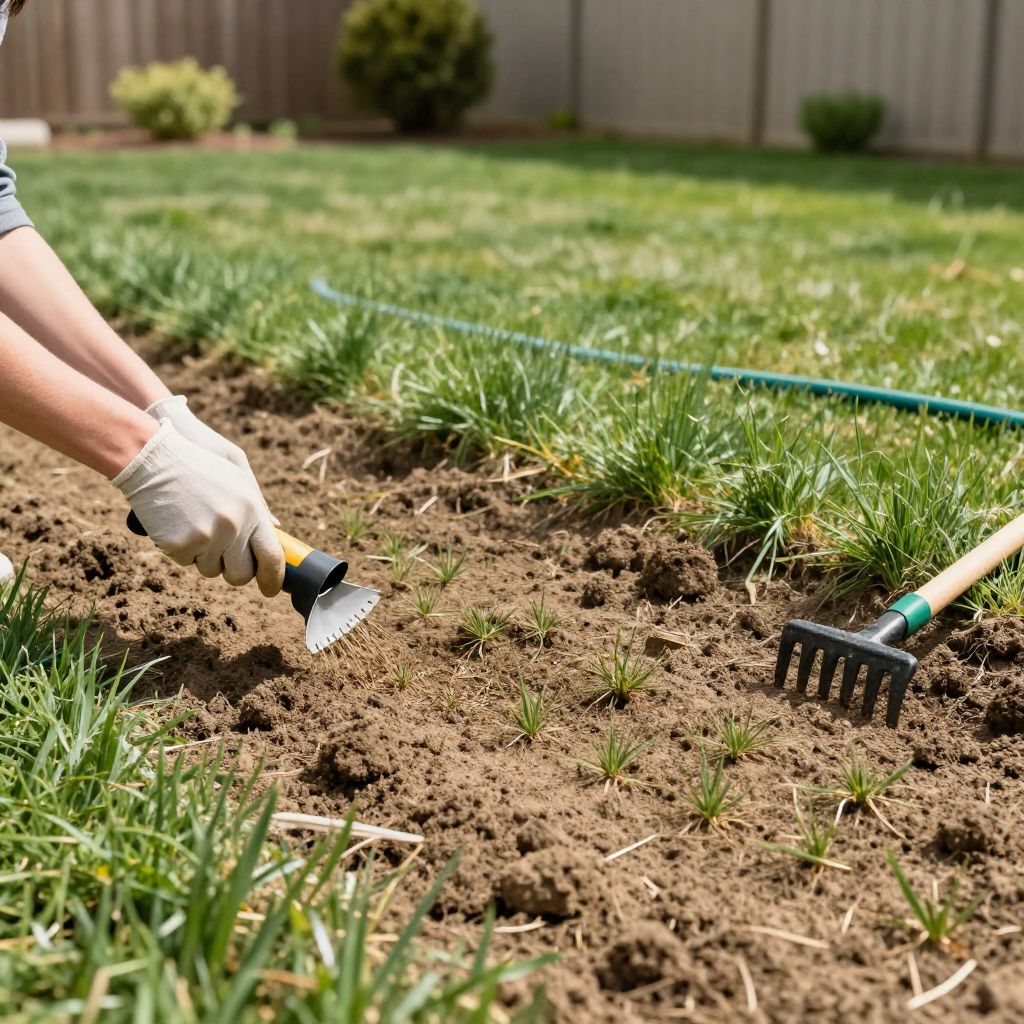
Wondering when to plant Bermuda grass so it fills in fast and stays healthy? The best time is when soil is warm, frost is gone, and daytime temperatures are consistently mild to hot. Bermuda grass establishes quickest in late spring through early summer, but the exact timing depends on your local climate and whether you’re starting from seed, sod, or sprigs.
Plant too early and cold soil can slow germination or rooting; plant too late and young grass may struggle through heat, drought, or an early cold snap. The goal is to give Bermuda grass a long warm season to spread, root, and thicken before winter arrives.
When to plant Bermuda grass?
Bermuda grass is best planted in late spring to early summer, once soil temperatures are consistently at least 65°F and frost risk has passed. In warm climates, you can often plant from late spring into midsummer. The key is warm soil, full sun, and enough time for the grass to establish before cooler weather returns.
Why timing matters for Bermuda grass
Bermuda grass is a warm-season turfgrass, which means it grows most actively in heat and slows down when temperatures cool. If you plant it while the soil is still cold, seed germination is slow and uneven, and sod or plugs may root poorly.
Good timing helps you avoid wasted effort. It also reduces weed pressure, because a vigorous Bermuda lawn can outcompete many summer weeds once it gets established.
Best planting window by method
- Seed: Late spring to early summer, when soil is warm and the lawn can stay evenly moist.
- Sod: Late spring through summer, as long as you can water consistently while roots knit into the soil.
- Sprigs or plugs: Late spring to midsummer is ideal, since these need extra warmth and time to spread.
How to tell if your yard is ready
Instead of relying only on the calendar, check the conditions in your yard. Local weather and soil temperatures matter more than a date on the page.
Look for these signs
- Night temperatures are staying above frost risk.
- Soil feels warm, not cold, a few inches below the surface.
- Daytime temperatures are regularly warm enough for active growth.
- Your site gets full sun for most of the day.
If you want a practical benchmark, soil temperature is one of the best guides. Bermuda grass performs best when the soil is warm enough for fast rooting and sprouting, not just when the air feels pleasant.
Can you plant Bermuda grass in spring, summer, or fall?
Spring
Spring is usually the best season to plant Bermuda grass. As the soil warms, seed germinates more reliably and sod roots faster. In many areas, late spring is the sweet spot because the ground is warm but summer stress has not peaked yet.
Summer
Early to mid-summer can still work well, especially in warm regions, but you must stay on top of watering. New Bermuda grass can handle heat once established, yet seedlings, sod, and plugs are vulnerable while roots are shallow.
Fall
Fall is usually not the best time to start Bermuda grass from scratch. It may grow a little if the weather stays warm, but shorter days and cooling soil can leave it underdeveloped before winter dormancy.
If you live in a very warm climate, fall planting may still be possible in some years, but it is generally safer to plan ahead for spring.
Best growing conditions for Bermuda grass
To grow well, Bermuda grass needs sun, heat, and drainage. It is not the best choice for shady yards or soggy soil.
- Sunlight: Full sun is best. Thin growth and patchiness often happen in shade.
- Soil: Well-drained soil is important. Heavy clay can work if improved, but standing water causes problems.
- pH: Slightly acidic to neutral soil is generally suitable.
- Air movement: Good airflow helps the lawn dry out after watering or rain.
If your yard stays wet after storms, fix drainage before planting. Bermuda grass hates prolonged waterlogged conditions, and poor drainage can lead to weak roots and disease pressure.
How to plant Bermuda grass successfully
1. Prepare the site
Clear away weeds, debris, and old turf if needed. Bermuda grass spreads aggressively once established, but it needs a clean start.
- Loosen compacted soil.
- Level low spots that collect water.
- Work in compost only if your soil is poor or very compacted.
- Remove rocks, sticks, and thick thatch.
A thin layer of compost can improve soil structure, but avoid burying the area in rich material. Bermuda grass does not need overly fertile soil to establish, and excessive amendments can create uneven settling.
2. Choose the right planting method
Seed is usually the most affordable option, but sod gives you instant coverage. Plugs and sprigs are useful when you want to spread Bermuda grass gradually across a lawn or repair large thin areas.
- Seed: Best for budget-friendly new lawns or overseeding warm-season turf in suitable climates.
- Sod: Best for fast results and erosion control.
- Plugs/sprigs: Best for filling in over time and expanding an existing lawn.
3. Plant at the right depth
Follow the product label or supplier guidance for the specific seed, sod, or sprigs you buy. In general, Bermuda seed should be placed shallowly, not buried deeply, because grass seed needs contact with moist soil and light access for good germination.
Sod should be laid tightly against the soil with no air gaps. Plugs and sprigs need firm contact with the ground so roots can take hold.
4. Water correctly during establishment
New Bermuda grass needs frequent, light moisture at first, then deeper watering as roots develop. The goal is to keep the surface from drying out without turning the area into mud.
- Keep seedbed or newly planted areas evenly moist until germination or rooting begins.
- Reduce watering frequency gradually as the lawn establishes.
- Once rooted, water less often but more deeply to encourage stronger roots.
Do not let young Bermuda grass dry out repeatedly during the first few weeks. At the same time, avoid constant saturation, which can encourage disease and weak rooting.
Common mistakes to avoid
- Planting too early: Cold soil slows growth and can lead to poor establishment.
- Planting in shade: Bermuda grass thins out without enough direct sun.
- Ignoring drainage: Wet soil can stunt roots and invite disease.
- Letting new grass dry out: Young plants are much less drought-tolerant than mature lawns.
- Overfertilizing too soon: Too much fertilizer can push weak, leafy growth before roots are ready.
How to care for Bermuda grass after planting
Once Bermuda grass starts growing, focus on mowing, watering, and weed control. Early care has a big effect on how quickly the lawn thickens.
Mowing
Wait until the grass is well-rooted and tall enough to mow without pulling it up. Use a sharp mower blade and avoid cutting too much at once. Regular mowing encourages spreading and a denser lawn.
Feeding
If your soil is low in nutrients, a light, balanced feeding during active growth can help. Avoid heavy feeding of newly planted grass unless your soil test or product instructions call for it.
Weed control
Weeds are easier to manage when Bermuda grass is healthy and dense. Hand-pull small weeds in new plantings, and be cautious with herbicides around young grass unless the product is labeled for Bermuda at that stage.
Troubleshooting poor establishment
Seed is slow to sprout
Slow germination usually means the soil is too cool, too dry, or both. Check soil temperature, keep the surface evenly moist, and be patient if the weather has been cool.
Seedlings look patchy
Patchiness can happen from uneven spreading, poor soil contact, or inconsistent watering. Lightly rake thin areas if needed and keep moisture steady until the lawn fills in.
Sod is not rooting
If sod lifts easily after a couple of weeks, it may need better soil contact or more consistent watering. Press seams firmly together and check that the soil beneath is moist but not soggy.
Grass turns yellow or weak
Yellowing can come from stress, poor drainage, nutrient shortage, or mowing too soon. Check the root zone first. If the soil stays wet, improve drainage before adding more fertilizer.
What about shade, traffic, and climate?
Bermuda grass is best for sunny, warm areas with moderate to heavy foot traffic once established. It can recover well from wear, but only if it gets enough light and warmth.
If your yard has significant shade, cooler summers, or persistent moisture, another turfgrass may perform better. For mixed conditions, consider planting Bermuda only in the sunniest parts of the lawn.
Conclusion
The best time to plant Bermuda grass is when the weather is warm, frost has passed, and the soil is ready for fast growth. For most gardeners, that means late spring to early summer. Prepare the soil, plant at the right time, and keep new grass evenly moist while it establishes.
If you’re planning a lawn project, start by checking your local soil temperature and sun exposure, then choose seed, sod, or plugs based on how quickly you want coverage. For more lawn planning help, you may also want to read about how to prepare soil for a new lawn and how to mow warm-season grasses correctly.