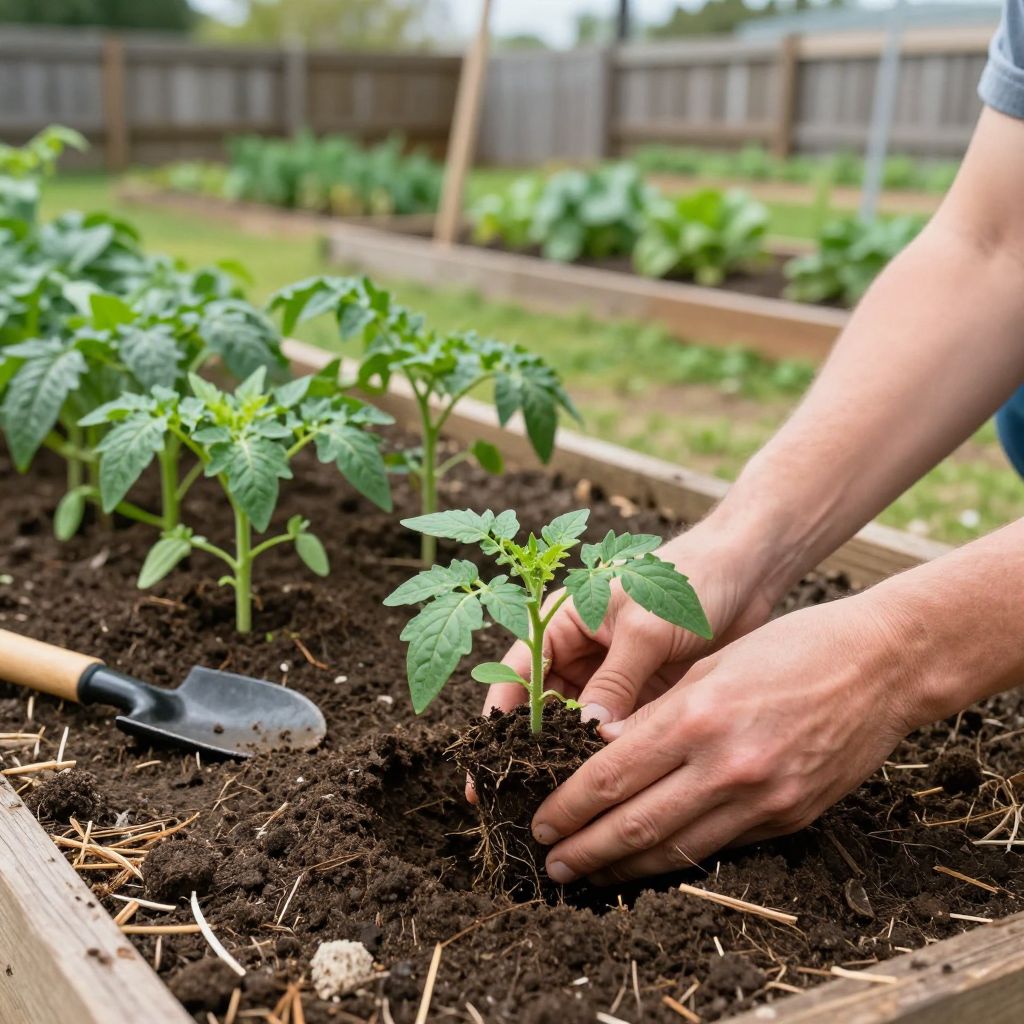
Wondering when to plant tomatoes in NC so they actually take off instead of stalling in cold soil? The best time depends on your part of the state, but tomatoes generally go out after the last frost date, once nights are warming and soil is workable.
In North Carolina, that usually means late March to mid-May for transplants, with mountain gardens waiting the longest. If you time planting well and give tomatoes sun, warmth, and steady moisture, you’ll set them up for stronger growth and better harvests.
When to plant tomatoes in NC?
Plant tomatoes in North Carolina after all danger of frost has passed and soil temperatures are consistently warm, ideally above 60°F. In most of the state, that means transplanting outdoors in spring, from late March in the warmest coastal areas to April or early May in cooler inland and mountain locations.
North Carolina planting windows by region
North Carolina spans several climate zones, so the right planting time changes with elevation and spring warmth. Tomatoes are frost-tender, and even a light frost can damage or kill young plants.
General timing guide
- Coastal Plain: Often late March through mid-April
- Piedmont: Usually early to mid-April
- Mountains: Often late April through mid-May
These are broad windows, not fixed dates. A warm spring may allow earlier planting, while a cold, wet spring can delay it by a week or two.
Use your local frost date as the starting point
Count backward from your average last spring frost date, then wait until the soil has warmed. Tomatoes grow best when the soil is not cold and soggy, because chilly soil slows root growth and can stunt transplants.
If you are unsure of your local frost date, check with your county extension office or compare recent spring weather patterns in your area. Microclimates matter too: a protected urban yard may warm faster than a low-lying rural garden.
Should you plant tomatoes from seed or transplants?
Most home gardeners in NC plant tomatoes as transplants rather than direct seed. Transplants give you a head start and are much easier to time around spring weather. Direct seeding outdoors is possible, but it is slower and more weather-dependent.
When to start seeds indoors
If you grow from seed, start indoors about 6 to 8 weeks before your planned transplant date. That usually means late January to early March for many North Carolina gardeners, depending on region.
Seedlings should be sturdy, not overgrown. A leggy plant with weak stems often struggles after transplanting, especially if spring turns cool again.
What to look for in a good transplant
- Compact, stocky growth
- Healthy green leaves without spots or yellowing
- No flowers or fruit yet on very small plants
- Firm stems and a well-developed root ball
Choose plants that are not rootbound in their containers. A crowded root system can slow establishment once planted in the garden.
How to prepare the soil before planting
Tomatoes do best in loose, fertile, well-drained soil. In many North Carolina gardens, the biggest challenge is not just timing, but heavy clay, poor drainage, or soil that has not been improved with organic matter.
Soil conditions tomatoes like
- Full sun, at least 6 to 8 hours daily
- Well-drained soil that does not stay waterlogged
- Organic matter such as compost worked into the bed
- Moderately acidic to neutral soil is generally suitable
Before planting, mix compost into the top several inches of soil. This improves structure, helps moisture retention in sandy soil, and improves drainage in heavier soil.
Simple bed prep steps
- Choose a sunny site with good air movement.
- Remove weeds and old plant debris.
- Work compost into the top 6 to 8 inches of soil.
- Check drainage after rain; avoid spots that stay soggy.
- Set up stakes, cages, or trellises before planting.
How to plant tomatoes for the best start
Plant transplants deeply. Tomatoes can form roots along buried stems, which helps them anchor and access more moisture. This is especially useful in warm North Carolina springs, when plants need to establish quickly.
Planting depth and spacing
Set plants so that most of the stem is below soil level, leaving only the top leaves above ground. Space plants far enough apart for airflow, usually about 24 to 36 inches depending on variety and support system.
Good spacing helps reduce disease pressure, which is important in humid NC summers.
Protect young plants after transplanting
- Water thoroughly at planting time
- Mulch after the soil has warmed a bit
- Use row cover or cloches only if a late frost threatens
- Remove temporary covers during hot days to prevent overheating
If a cold snap is still possible, wait rather than planting too early. Tomatoes recover better from a short delay than from frost damage.
Watering and mulch: keeping tomatoes steady in NC weather
Tomatoes need even moisture, especially once they begin flowering and setting fruit. In North Carolina, spring rains can be helpful, but summer heat often brings dry spells that stress plants.
Watering tips
- Water deeply at the base of the plant
- Avoid wetting the leaves when possible
- Keep soil evenly moist, not constantly saturated
- Adjust for rainfall, soil type, and plant size
Irregular watering can lead to blossom-end rot, splitting, and poor fruit quality. Mulch helps stabilize soil moisture and also reduces soil splash, which can spread disease.
Best mulch choices
Use straw, shredded leaves, or other clean organic mulch after the soil has warmed. Keep mulch a few inches away from the stem to reduce rot and pest hiding places.
Common tomato problems in North Carolina
Warm, humid conditions make tomatoes productive, but they also encourage pests and diseases. The best prevention is good timing, spacing, airflow, and consistent care.
Diseases to watch for
- Early blight: Often starts on lower leaves with dark spots and yellowing
- Septoria leaf spot: Causes many small leaf spots, especially in wet weather
- Blossom-end rot: A fruit disorder linked to inconsistent moisture and calcium uptake
- Fungal wilts: Can cause sudden decline in hot weather
Remove badly affected leaves, keep plants mulched, and avoid crowding. If disease pressure is high, rotate tomatoes to a different area of the garden each year if possible.
Common pests
- Hornworms
- Aphids
- Whiteflies
- Stink bugs
Check plants often, especially under leaves and near new growth. Hand-picking larger pests early is one of the simplest ways to limit damage in a home garden.
Pruning, staking, and maintenance
Support is important because tomato plants grow fast and can sprawl in warm weather. Staking or caging keeps fruit cleaner, improves airflow, and makes harvesting easier.
Pruning basics
You do not need to heavily prune every tomato plant, but removing a few lower leaves and weak suckers can help with airflow. Avoid over-pruning, which can expose fruit to sunscald and reduce leaf area needed for growth.
Support options
- Cages: Good for many home gardens and less labor-intensive
- Stakes: Useful for keeping plants upright and compact
- Trellises or strings: Helpful in more intensive garden setups
Install support at planting time so you do not damage roots later. This is one of the easiest ways to make tomato care simpler all season.
Can you plant tomatoes later in the season?
Yes, but later plantings usually produce less before summer heat and disease pressure build up. In NC, a second planting can work if you start with healthy transplants and choose a spot with excellent sun and drainage.
For a fall crop, gardeners in some parts of North Carolina may also try a late-summer planting, but timing becomes more location-specific. The key is to allow enough time for plants to mature before cool weather returns.
Harvesting and keeping plants productive
Tomatoes are ready to harvest when they have developed full color and feel slightly soft, depending on the variety. Pick regularly to encourage continued production.
Harvesting tips
- Harvest in the morning when fruit is cool
- Twist gently or use pruners to avoid tearing stems
- Pick ripe fruit often to reduce cracking and pest damage
- Remove damaged fruit so the plant can focus on healthy ones
If hot weather causes fruit set to slow, keep plants healthy and wait for cooler periods. Many tomato plants resume better production when nighttime temperatures moderate.
Quick mistakes to avoid
- Planting before the last frost date
- Setting tomatoes in cold, wet soil
- Skipping support until plants are already sprawling
- Watering inconsistently during fruiting
- Planting too close together in humid weather
- Ignoring early signs of leaf disease or pests
These mistakes are common, but they are also easy to prevent with a little planning. The biggest one is planting too early because the calendar says spring has arrived, even though the soil and nights are still too cool.
Final takeaway
For most gardeners asking when to plant tomatoes in NC, the best answer is simple: wait until frost danger has passed, then transplant into warm, well-drained soil with plenty of sun. If you match planting time to your region and protect young plants from cold snaps, you give your tomatoes a much better start.
For more seasonal garden planning, you may also want to read about vegetable planting by season and how to improve garden soil with compost.