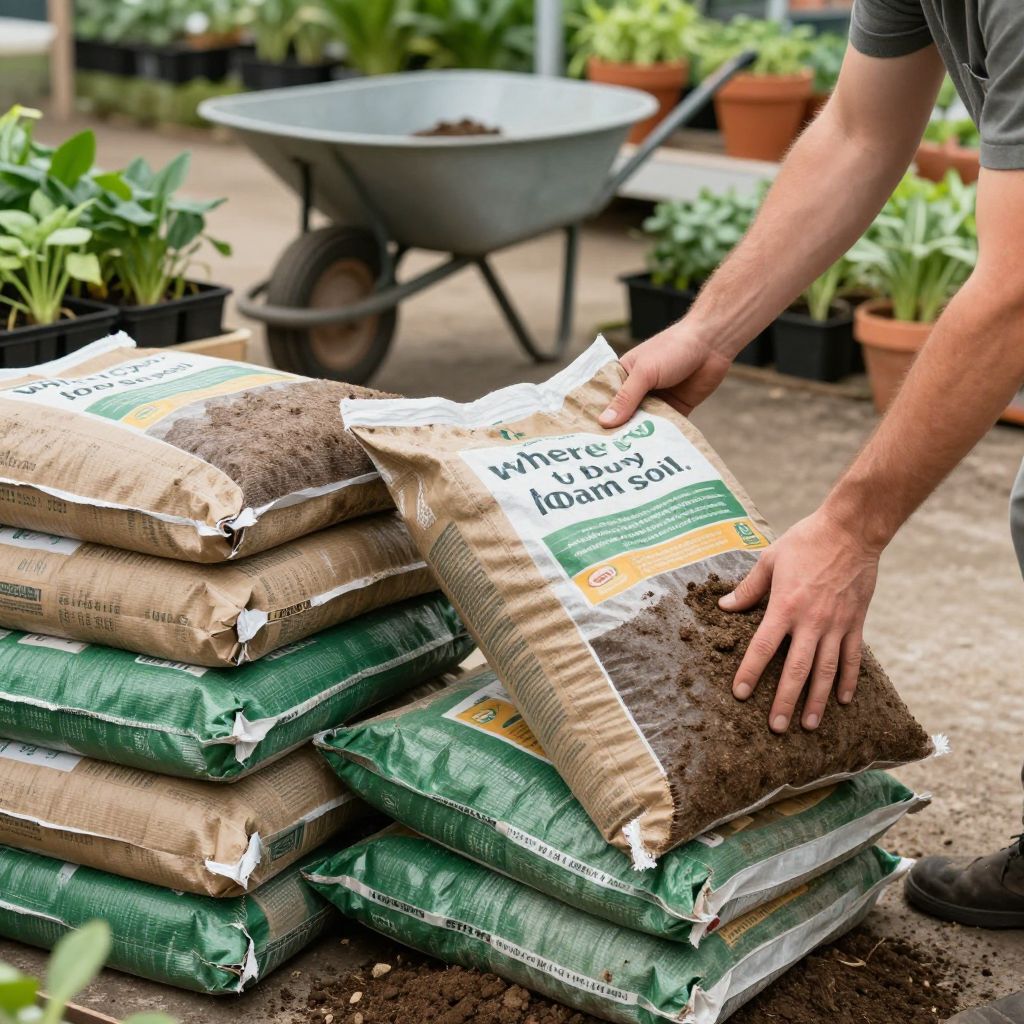
Where to buy loam soil depends on how much you need, what you’re growing, and whether you want a ready-to-use blend or a bulk delivery. Loam is prized because it balances sand, silt, and clay, giving plants good drainage, moisture retention, and root support.
You can find it at garden centers, landscape supply yards, nurseries, soil mix suppliers, and some home improvement stores. The best choice is usually the one that can tell you exactly what’s in the mix and whether it’s screened, compost-amended, or suitable for beds, lawns, or containers.
Where to buy loam soil?
Buy loam soil from local garden centers, landscape suppliers, nurseries, and reputable online sellers. For small projects, bagged topsoil or loam blends are convenient; for raised beds, lawn repair, or larger planting areas, bulk delivery is often cheaper. Always ask for the soil’s texture, screening level, and whether compost has been added.
Best places to find loam soil
1. Local garden centers and nurseries
Garden centers are often the easiest place to start if you need a few bags for containers, beds, or patching low spots. Staff may also help you choose a mix that suits vegetables, ornamentals, or turf.
Look for labels such as loam soil, screened topsoil, or topsoil and compost blend. If the bag does not describe the ingredients, ask before buying.
2. Landscape supply yards
Landscape supply yards are usually the best source for larger quantities. They often sell by the cubic yard, which works well for raised beds, new borders, and lawn renovation.
These suppliers may offer several grades, including screened loam, planting mix, and topsoil blended with compost. Ask how finely it was screened, because coarse debris can make planting and leveling harder.
3. Home improvement stores
Big-box stores often carry bagged loam, topsoil, and garden soil. This is convenient for small jobs, but product quality can vary, so read the label carefully.
Check whether the product is meant for in-ground use, raised beds, or containers. A bag labeled “garden soil” is not always true loam and may be too rich or too heavy for some uses.
4. Online soil suppliers
Online suppliers can be useful if local options are limited or you need specialty blends. They may ship bagged soil or arrange local bulk delivery through a regional partner.
Before ordering, verify shipping costs, delivery minimums, and whether the soil is screened and weed-free. Soil is heavy, so delivery fees can change the real price quickly.
5. Municipal compost and soil programs
Some cities and counties offer compost, topsoil, or blended soil from recycling programs. These can be affordable, but product consistency varies, so inspect the material if possible.
Make sure the soil is mature, screened, and appropriate for planting. Fresh compost or poorly processed material can contain chunks, salts, or unfinished organic matter.
How to choose good loam soil
What loam should feel like
Good loam feels crumbly, holds together lightly when squeezed, and breaks apart easily. It should not feel sticky like heavy clay or loose and gritty like pure sand.
If you can see large sticks, rocks, trash, or clods, the soil may need more screening before use in beds or containers.
What to ask the seller
- Is it true loam, screened topsoil, or a blended planting mix?
- Was compost added, and if so, how much?
- Is it suitable for vegetables, lawns, or ornamental beds?
- Has it been screened to remove debris?
- Is it tested for contaminants if it came from a recycled source?
These questions matter because “soil” can mean very different things from one supplier to another. A good seller should be able to explain the texture and intended use.
Bagged vs. bulk loam
- Bagged loam: Best for small projects, easy transport, simple storage.
- Bulk loam: Best for large beds, cheaper per volume, but requires space for delivery and handling.
- Blended soil: Often better for planting than plain subsoil or fill, especially if compost is included.
If you are filling a raised bed or repairing a lawn, bulk soil can save money. If you only need a few bags for pots or small repairs, bagged soil is often more practical.
How much loam soil do you need?
Measure the area before you buy. For rectangular beds, multiply length × width × depth to estimate volume, then convert to cubic feet or cubic yards based on the seller’s packaging.
As a rough guide, a 4-by-8-foot raised bed filled 6 inches deep needs about 16 cubic feet of soil. If you are topping up a bed or lawn, you may need less than a full fill.
Simple buying tips
- Measure the space you want to fill.
- Decide whether you need pure loam or a loam-compost blend.
- Compare bagged and bulk prices.
- Check delivery fees if ordering online or in bulk.
- Buy a little extra for settling and leveling.
Using loam soil in the garden
For vegetable beds
Vegetables usually grow best in loose, fertile soil that drains well but still holds moisture. Loam is a strong base, especially when mixed with compost to improve organic matter.
Before planting, remove weeds and loosen compacted ground. If your native soil is heavy clay or very sandy, blending in loam can improve root growth and water movement.
For lawns
Loam is useful for topdressing thin or uneven turf, but it should be spread in a thin layer so grass can still breathe. Too much can smother existing turf.
For lawn repair, use screened loam and rake it lightly into low spots. If drainage is poor, loam alone may not solve the problem; you may also need aeration or grading.
For containers and raised beds
Pure field soil is usually too heavy for pots, and even good loam may need extra organic matter in raised beds. Containers especially need a mix that drains well and does not compact.
Use a soil blend designed for containers or mix loam with compost and other ingredients recommended for the crop. Avoid using dense soil from the yard in pots, because it can stay waterlogged and restrict roots.
Common mistakes to avoid
- Buying “fill dirt” instead of loam: Fill dirt is not the same as planting soil and may be poor for roots.
- Skipping screening: Unscreened soil can contain stones, roots, and debris.
- Using heavy clay in containers: It compacts easily and drains badly.
- Assuming all topsoil is fertile: Some topsoil is low in organic matter and needs amendment.
- Ignoring drainage: Even good loam can fail in a poorly drained site.
If your plants have yellowing leaves, slow growth, or standing water after rain, the problem may be drainage rather than fertility. In that case, adding more soil alone usually will not fix it.
How to improve loam after you buy it
Many gardeners improve purchased loam with compost. Compost adds organic matter, helps soil structure, and supports beneficial soil life.
For most garden beds, mixing in compost before planting is a practical way to make loam more productive. Work it into the top layer rather than burying it deep, where roots may not benefit as much.
Good signs your soil is ready
- It crumbles easily in your hand.
- Water soaks in without pooling for a long time.
- Roots can spread without hitting hard clods.
- It has a dark, earthy look and smell.
When to buy loam soil
You can buy loam soil any time of year, but delivery and storage are easier in dry weather. Wet soil is heavier, harder to spread, and more likely to compact in piles.
If you are preparing beds for spring planting, buying early gives you time to blend amendments and let the soil settle. For fall projects, loam can help refresh beds before winter or support late-season planting where your climate allows.
Final tips before you order
Before you buy, decide whether you need loam for planting, leveling, lawn repair, or raised beds. Then choose the supplier that best matches your project size, budget, and soil quality needs.
If you want a simple next step, call two local suppliers and ask what their loam contains, how it is screened, and whether they deliver. That quick comparison usually tells you where to buy loam soil with the least guesswork.
For more help choosing the right growing medium, you may also want to read about raised bed soil mixes and how to use compost in the garden.