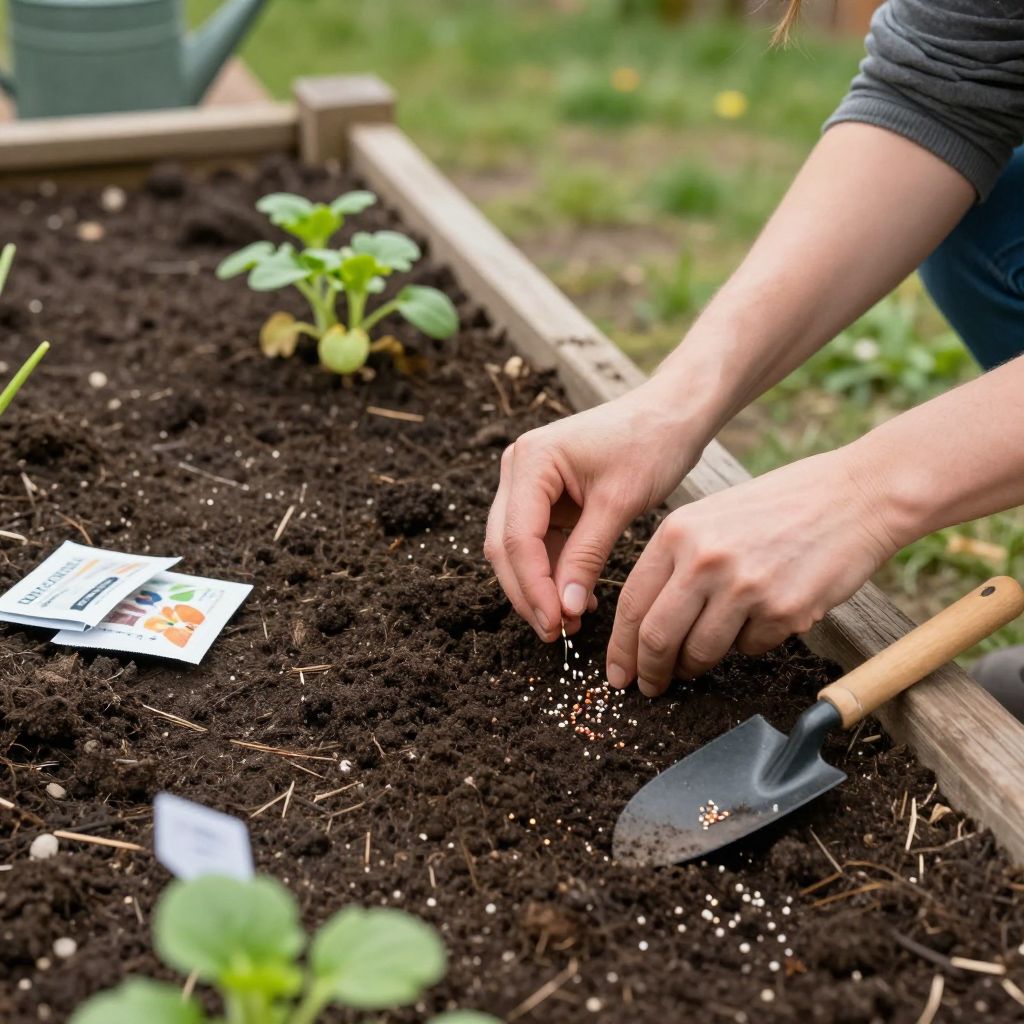
Wondering when to plant flower seeds so they actually sprout and grow well? The best time depends on the flower type, your climate, and whether you’re sowing indoors or outdoors. Some flowers need a head start indoors weeks before the last frost, while others do best sown directly into warm spring soil or even in fall.
If you time sowing correctly, you’ll get stronger seedlings, better germination, and a longer bloom season. The key is matching the seed’s needs to your local weather, soil temperature, and light conditions rather than relying on a single calendar date.
When To Plant Flower Seeds?
Plant flower seeds when soil and air temperatures match the needs of the flower you’re growing. Cool-season flowers can often be sown early in spring or in fall, while warm-season flowers usually wait until after frost danger has passed. For many annuals, indoor sowing begins 6 to 10 weeks before your last expected frost date.
Know the Three Main Sowing Windows
Most flower seeds fall into one of three planting windows: indoor sowing before frost, direct sowing outdoors in spring, or fall sowing for hardy types. Choosing the right window matters more than the exact date on the calendar.
1. Start Seeds Indoors for an Early Start
Indoor sowing is useful for flowers that grow slowly or need a long season to bloom, such as petunias, snapdragons, and impatiens. You can also start tender annuals indoors if your growing season is short.
As a general rule, sow indoors 6 to 10 weeks before your last expected frost date. Check the seed packet, because some flowers need more or less time.
2. Direct Sow Outdoors When Soil Warms
Many flowers do best when seeds are planted directly where they will grow. This avoids transplant shock and is often simpler for beginners.
Wait until the soil is workable and no longer cold and soggy. Warm-season flowers such as zinnias, cosmos, sunflowers, and marigolds usually germinate best after frost risk has passed and the soil has warmed.
3. Sow in Fall for Hardy or Self-Seeders
Some hardy annuals and perennials can be sown in fall, especially in mild climates. Fall sowing can mimic natural seed drop and winter chill, which helps certain seeds germinate better in spring.
This method works best when seeds are hardy enough to survive winter conditions and when your soil drains well. Avoid fall sowing in spots that stay waterlogged.
How to Match Seed Timing to Your Climate
Your local frost dates are the starting point, but they are not the whole story. Two gardeners with the same frost date may still plant at different times because of elevation, wind, shade, rainfall, and soil type.
- Cool climates: Start many flowers indoors earlier and direct sow later, once the soil warms.
- Mild climates: You may be able to sow cool-season flowers in fall or winter and warm-season flowers earlier than colder regions.
- Hot climates: Some flowers struggle in intense heat, so early spring or fall sowing may work better than midsummer planting.
If you don’t know your frost dates, use your local extension service, a nearby garden center, or a regional planting guide. Then compare that information with the seed packet instructions.
What Flower Seeds Need to Germinate Well
Timing is only part of the job. Good germination also depends on moisture, temperature, light, and seed depth. If one of these is off, seeds may sprout slowly or fail altogether.
Soil Temperature
Some seeds germinate in cool soil, while others need warmth. A soil thermometer is a useful tool if you sow often. If the packet gives a temperature range, follow it closely.
Moisture
Seeds need steady moisture to wake up, but they should not sit in soggy soil. Keep the seedbed evenly damp, especially during germination. Dry soil can stop sprouting; wet, compacted soil can rot seeds.
Light and Depth
Many flower seeds need light to germinate and should be pressed lightly into the surface rather than buried deeply. Others need a thin covering of soil. Always check the packet, because planting too deep is a common reason seeds fail.
Best Time To Plant Common Flower Seeds
Different flowers have different preferences, so it helps to group them by sowing style rather than assume all flowers are planted the same way.
Cool-Season Flowers
These often tolerate chilly weather and can be started earlier than warm-season flowers.
- Sweet alyssum
- Calendula
- Pansies and violas
- Larkspur
- Snapdragons
Many cool-season flowers can be started indoors or direct sown in early spring, and some can be sown in fall in mild climates.
Warm-Season Annuals
These flowers need warm soil and are usually planted after the danger of frost has passed.
- Zinnias
- Cosmos
- Marigolds
- Sunflowers
- Morning glories
Direct sowing is often easiest for these flowers, though some can be started indoors if you want an earlier display.
Perennials
Perennial flower seeds often need patience. Some bloom the first year, but many take a season or more to establish before flowering well.
Many perennials are best started indoors or sown outdoors at the recommended season for your climate. Some also benefit from cold treatment, which mimics winter conditions and helps break dormancy.
How To Plant Flower Seeds Step by Step
Whether you sow indoors or outside, the basics are similar: prepare fine soil, place seeds at the right depth, keep them moist, and give them enough light once they sprout.
- Read the seed packet. Check planting depth, spacing, light needs, and timing.
- Prepare the soil. Use loose, weed-free soil or seed-starting mix with good drainage.
- Sow at the proper depth. Tiny seeds often stay near the surface; larger seeds go deeper.
- Water gently. Use a fine spray or mist so you don’t wash seeds away.
- Keep conditions steady. Maintain even moisture and the right temperature until germination.
- Thin seedlings. Once seedlings have true leaves, remove extras so the strongest plants have room.
Indoor Sowing Tips
Use clean trays or small pots with drainage holes and a light seed-starting mix. Place containers in bright light, such as a sunny window with supplemental grow lights if needed.
Many seedlings become leggy when light is too weak. If stems stretch, move them closer to the light source and rotate trays regularly.
Outdoor Sowing Tips
Rake the soil smooth and remove large clumps, rocks, and weeds. For tiny seeds, mix them with dry sand to help distribute them more evenly.
After sowing, press seeds into the soil for good contact. Cover only as recommended, then water lightly and protect the area from birds if needed.
Common Mistakes To Avoid
Most seed-starting problems come from a few predictable errors. Avoiding them can save you time, seed, and frustration.
- Planting too early outdoors: Cold, wet soil can rot seeds before they sprout.
- Planting too deep: Small seeds may never reach the surface.
- Letting soil dry out: Germination can stop completely if seedbeds dry between waterings.
- Using heavy garden soil in trays: Dense soil can hold too much water and reduce airflow around roots.
- Starting too late: Some flowers need a long growing season to bloom before heat or frost ends the show.
Troubleshooting Poor Germination
If your seeds are slow to sprout, don’t assume they are dead right away. First check the planting depth, moisture level, and temperature.
Seeds Rot Before Sprouting
This often means the soil stayed too wet or too cold. Improve drainage, reduce watering slightly, and wait for warmer conditions if the flower is warm-season.
Seeds Sprout Unevenly
Uneven germination can happen when soil temperatures fluctuate or the seedbed dries in spots. A light mulch of fine vermiculite or a humidity cover for indoor trays can help retain moisture.
Seedlings Fall Over
This may be damping off, a fungal problem that affects young seedlings in damp, crowded conditions. Improve airflow, avoid overwatering, and use clean containers and fresh seed-starting mix.
Growing Tips After Seeds Sprout
Once seedlings emerge, the job shifts from germination to strong growth. Good light, careful watering, and timely thinning make a big difference.
- Give seedlings bright light so they don’t stretch.
- Water when the surface starts to dry, not on a fixed schedule.
- Thin crowded seedlings early to reduce competition.
- Harden off indoor seedlings gradually before moving them outside.
- Pinch back some annuals if you want bushier plants and more blooms.
Hardening off means slowly acclimating seedlings to outdoor sun, wind, and temperature changes over about a week or two. Skipping this step can scorch leaves and stall growth.
When To Transplant Flower Seedlings
Move seedlings outdoors only after they are strong enough and the weather is suitable. Tender annuals usually wait until frost danger has passed, while tougher flowers may tolerate cooler conditions.
Transplant on a calm, cloudy day if possible. Water seedlings before and after planting, and set them at the same depth they were growing in their containers unless the plant type prefers otherwise.
Final Takeaway
The best answer to when to plant flower seeds is: sow them when the weather, soil temperature, and seed type all line up. Check your frost dates, read the seed packet, and choose indoor sowing, direct sowing, or fall sowing based on the flower’s needs. If you want to keep planning, look up your local frost dates and make a simple seed-starting calendar for the flowers you want to grow.
For more practical help with flower gardening, you may also want to read about starting seeds indoors and choosing the right soil for seedlings.