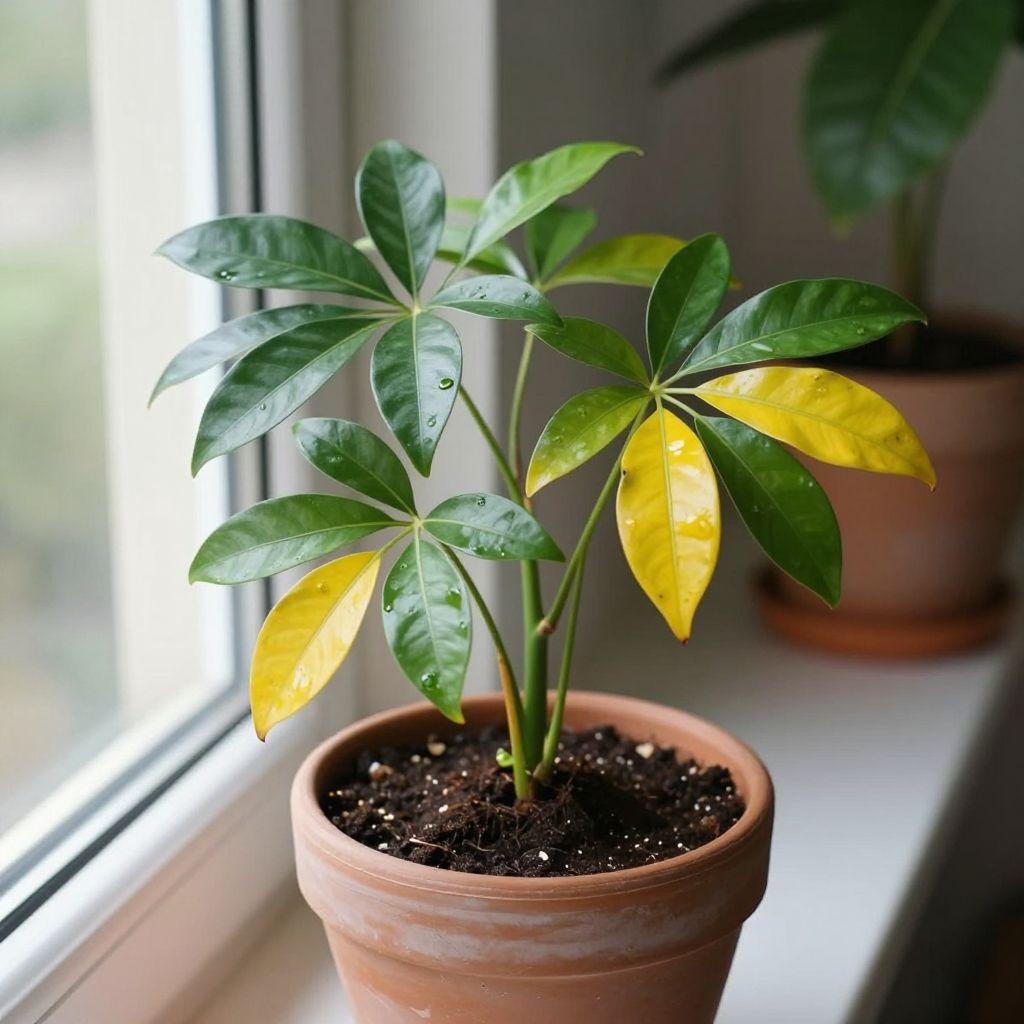
Why is my ZZ plant turning yellow? In most cases, yellowing leaves on Zamioculcas zamiifolia point to a watering problem, especially overwatering and poor drainage. Low light, cold stress, pests, or a potting mix that stays wet can also be responsible.
The good news is that a yellow ZZ plant is often fixable if you catch the cause early. By checking the soil, roots, light, and pot conditions, you can usually stop the decline and help the plant recover.
Why is my ZZ plant turning yellow?
Yellow leaves on a ZZ plant usually mean the roots are stressed. The most common cause is too much water, followed by insufficient light, cold temperatures, compacted soil, or root rot. Older leaves may yellow naturally, but if several leaves change at once, inspect the plant’s growing conditions right away.
Most common causes of yellow ZZ plant leaves
1. Overwatering
ZZ plants store water in thick rhizomes, so they prefer to dry out between waterings. If the soil stays damp for too long, roots can suffocate and leaves begin to yellow.
Signs of overwatering include:
- Yellowing leaves starting at the lower stems
- Soft, mushy stems or rhizomes
- Soil that still feels wet days after watering
- A musty smell from the potting mix
What to do: Let the pot dry more thoroughly, and do not water again until the top several inches of mix are dry. If the plant is already limp or the soil smells sour, unpot it and check for rot.
2. Poor drainage
Even careful watering can cause trouble if the container has no drainage holes or the potting mix is too dense. ZZ plants need excess water to move away quickly from the roots.
Check for these drainage issues:
- Decorative cachepots with standing water inside
- Heavy garden soil used in a container
- Small pots packed tightly with roots and compacted mix
- Water sitting in a saucer for long periods
Fix it: Move the plant to a pot with drainage holes and a fast-draining indoor mix. A blend made for cacti and succulents, or a standard houseplant mix amended with perlite or pumice, usually works well.
3. Too much direct sun or too little light
ZZ plants tolerate low light better than many houseplants, but they still need enough indirect light to stay healthy. Too much harsh sun can scorch leaves, while very dim conditions can weaken the plant and contribute to yellowing over time.
Look for the difference:
- Too much sun: bleached, yellowed patches or crispy edges, often on the side facing a bright window
- Too little light: slow growth, pale foliage, and gradual yellowing of older leaves
Place your ZZ plant in bright, indirect light for best results. A little morning sun is usually fine, but intense afternoon sun through glass can be too strong, especially in hot climates.
4. Cold stress or drafts
ZZ plants prefer warm indoor conditions and can yellow if exposed to cold windows, air-conditioning vents, or chilly drafts. Sudden temperature swings are especially hard on houseplants.
Move the plant away from:
- Cold windows in winter
- Exterior doors that open often
- Heating and cooling vents
- Unheated rooms or garages
If your plant was recently moved, yellowing may be a response to the change. Give it stable conditions and avoid frequent relocation.
5. Root rot
Root rot is a serious consequence of staying too wet for too long. It often follows overwatering, but poor drainage, oversized pots, and cold wet soil can all contribute.
Possible signs of root rot include:
- Persistent yellowing and drooping
- Black, brown, or mushy rhizomes
- Stems that collapse at the base
- Soil that remains wet for an unusually long time
How to respond: Remove the plant from the pot, trim away rotten roots or rhizomes with clean tools, and repot in fresh, well-draining mix. If most of the rhizome is damaged, propagation from healthy sections may be the only way to save it.
6. Natural aging of older leaves
Sometimes a ZZ plant turns yellow simply because older leaves are nearing the end of their life. This is more likely if only a few leaves on the lowest stems are affected and the rest of the plant looks healthy.
Natural aging is usually slow and limited. If the yellowing is spreading quickly or affecting new growth, look for another cause.
7. Pests
ZZ plants are not pest magnets, but they can occasionally host mealybugs, scale, or spider mites indoors. Pest damage can weaken the plant and cause leaves to yellow.
Inspect the plant closely, especially:
- Where stems meet the soil
- Undersides of leaves
- Leaf joints and hidden crevices
Sticky residue, cottony clusters, tiny bumps, or fine webbing are warning signs. If you find pests, isolate the plant and treat it promptly with insecticidal soap, horticultural oil, or manual removal, depending on the pest and severity.
How to diagnose the problem step by step
If you are wondering why your ZZ plant is turning yellow, start with the simplest checks first. A quick inspection often reveals the issue before it becomes serious.
- Check the soil moisture. Insert a finger 2 to 3 inches into the mix. If it feels wet or cool, hold off on watering.
- Look at the pot. Make sure it has drainage holes and is not sitting in runoff water.
- Inspect the leaves and stems. Note whether yellowing is on old growth only or spreading across the plant.
- Examine the light. Ask whether the plant is getting harsh direct sun, very dim light, or sudden changes in exposure.
- Smell the soil. A sour or rotten odor can point to root rot.
- Check for pests. Look closely at stems, leaf joints, and the undersides of leaves.
How to fix a yellowing ZZ plant
Adjust watering
For most indoor ZZ plants, the safest approach is to water deeply, then wait until the mix dries significantly before watering again. The exact timing depends on pot size, light, temperature, and season.
Use this rule instead of a fixed schedule:
- Water when the potting mix has dried well below the surface
- Water less often in winter or low light
- Water more carefully if the plant is in a cool room
Always empty saucers and cachepots after watering so the roots do not sit in excess moisture.
Repot if the mix stays wet
If the soil remains soggy or compacted, repotting may be necessary. Choose a container only slightly larger than the root mass, because an oversized pot can hold too much moisture.
A better potting setup includes:
- A pot with drainage holes
- Fast-draining houseplant or cactus mix
- Extra perlite or pumice if the mix is dense
When repotting, handle the rhizomes gently. Healthy ZZ rhizomes are firm, while rotten ones are soft and dark.
Improve light gradually
If the plant is in a dim corner, move it to brighter indirect light over several days rather than all at once. Sudden exposure to strong sun can shock the leaves.
A good indoor location is near an east-facing window or a few feet back from a bright south- or west-facing window with filtered light.
Remove damaged leaves
Yellow leaves will not turn green again, so you can trim them off once they are fully yellow or mostly yellow. Use clean, sharp pruners or scissors.
Do not remove too much at once if the plant is already stressed. Leave healthy green stems in place so the plant can keep producing energy.
Treat pests if needed
If pests are present, isolate the plant from other houseplants. Wipe visible insects off with a damp cloth and repeat treatment as needed until the infestation is gone.
For recurring problems, inspect nearby plants as well. Pests often spread before they are noticed.
What not to do
When a ZZ plant turns yellow, some common “helpful” actions actually make things worse.
- Do not water on a fixed schedule if the soil is still damp.
- Do not fertilize a stressed plant heavily. Fertilizer will not fix yellowing from root problems.
- Do not leave the plant in a decorative pot with trapped water.
- Do not assume all yellowing means hunger. ZZ plants are more often overwatered than underfed.
- Do not repot into a much larger container unless the root system truly needs it.
How to keep a ZZ plant healthy long term
Once your plant recovers, focus on steady conditions rather than frequent changes. ZZ plants are low-maintenance, but they still do best with a little attention to drainage, light, and watering habits.
- Use a potting mix that dries evenly and does not stay soggy
- Give bright, indirect light whenever possible
- Water only after the mix has dried well
- Keep the plant warm and away from drafts
- Inspect occasionally for pests and soft stems
In warmer months, indoor plants may dry faster. In winter, growth slows and the plant usually needs less water. Adjust to your home’s conditions rather than following a calendar.
When yellowing means the plant may not recover
If most stems are collapsing, the rhizomes are mushy, and the plant smells rotten, the damage may be severe. In that case, salvage any firm, healthy sections for propagation and discard the rotten material.
A ZZ plant can sometimes rebound from partial loss, but only if some healthy rhizomes or stems remain. If you are unsure, cut back only the clearly dead parts and wait to see what stays firm and green.
If you want to learn more about keeping indoor plants healthy, you may also find related houseplant care guides on watering, drainage, and light placement helpful.