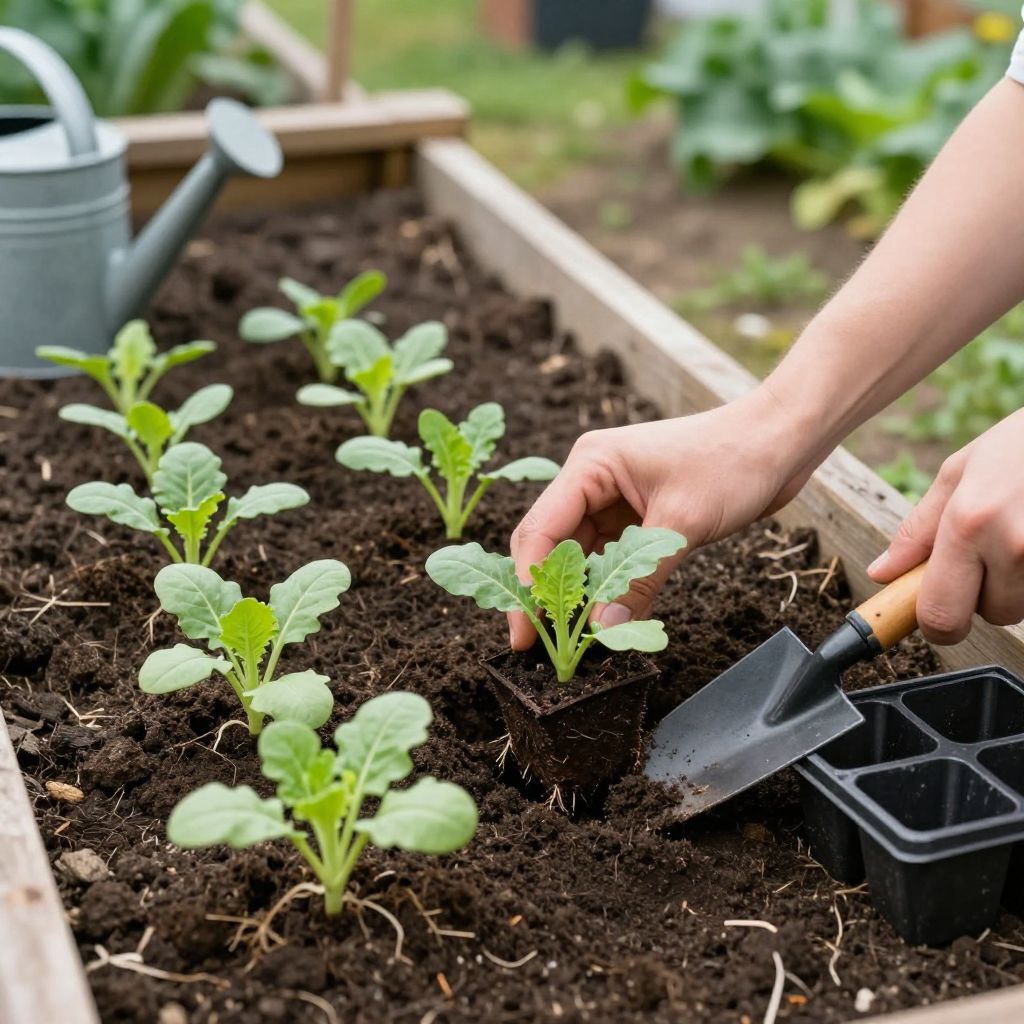
Wondering when to transplant seedlings without stunting them? The right timing depends on the plant, its size, the weather, and whether you’re moving it into larger pots or into the garden. Transplant too early and seedlings may struggle; wait too long and roots can become crowded and growth slows.
The goal is to move seedlings when they are sturdy enough to handle the change and the new growing space is ready. A little planning now helps reduce transplant shock, improve root development, and set young plants up for faster, healthier growth.
When to transplant seedlings?
Transplant seedlings when they have at least one or two sets of true leaves, a healthy root system, and enough stem strength to handle being moved. For outdoor planting, wait until temperatures, soil conditions, and frost risk are suitable for the specific plant. Indoors, move seedlings up a pot size before roots become tightly packed.
How to tell seedlings are ready
Seedlings usually give clear signals when they need more room. The exact timing varies by crop, but these signs are more reliable than counting days alone.
Good signs it’s time to transplant
- True leaves are present. These are the leaves that appear after the first seed leaves, or cotyledons.
- The seedling is tall enough to handle gently without bending or snapping.
- Roots are visible at the drainage holes or along the soil surface.
- Growth has slowed even though light and moisture are adequate.
- Several seedlings in one cell are crowding each other.
Signs you should wait a little longer
- The stem is very thin and floppy.
- Only the seed leaves are present and no true leaves have formed.
- The potting mix dries out too fast because the seedling is still tiny.
- Outdoor weather is still too cold, wet, or windy for the crop.
Seasonal timing: indoor vs. outdoor transplanting
Timing changes depending on where the seedling is headed. Indoor potting-up can happen as soon as roots need more space, while garden transplanting must match local weather and soil conditions.
Transplanting seedlings indoors
If you started seeds in trays or small cells, move them to larger containers when roots fill the cell and the plant has begun active top growth. Many seedlings do well when moved from a small plug tray into a 3- to 4-inch pot before they become root-bound.
Indoor transplants usually recover best when they are moved before the roots form a dense mat. If you wait too long, seedlings can stall, dry out quickly, or develop twisted roots.
Transplanting seedlings outdoors
For garden planting, wait until the seedling is hardened off and the outdoor conditions suit the crop. Tender vegetables and flowers should not go out until frost danger has passed and nighttime temperatures are warm enough for healthy growth.
Cool-season crops such as lettuce, kale, and many brassicas tolerate earlier planting than warm-season crops like tomatoes, peppers, cucumbers, and basil. Always check your local frost dates and the plant’s temperature needs rather than relying on a calendar alone.
Spring, summer, and fall considerations
- Spring: Soil may still be cold and wet, which slows root growth. Wait for workable soil that crumbles instead of sticking in clumps.
- Summer: Transplant in the cooler part of the day and water immediately. Heat and sun can wilt young plants quickly.
- Fall: Some seedlings establish well in cooler weather, but they need enough time to root in before hard frost.
How to transplant seedlings step by step
Whether you are moving seedlings to larger pots or into the ground, the process should be gentle and organized. Prepare everything first so roots spend as little time exposed as possible.
- Water the seedlings first. Moisten the mix an hour or two before transplanting so roots hold together better.
- Prepare the new container or bed. Use fresh, well-draining potting mix for containers or loosen garden soil and remove weeds.
- Make a planting hole. Set the hole slightly deeper than the root ball if the crop tolerates it.
- Lift seedlings carefully. Handle by the leaves, not the stem, because leaves recover better from pressure than stems do.
- Set the seedling at the right depth. Keep the crown at soil level unless the plant benefits from deeper planting, such as tomatoes.
- Firm the soil lightly. Press just enough to remove air pockets without compacting the mix.
- Water thoroughly. This settles the soil around the roots and helps reduce transplant shock.
- Give temporary protection if needed. Shade, wind shelter, or row cover can help outdoor transplants recover.
What soil and containers work best
Healthy transplants depend on loose, moisture-retentive but well-draining growing media. Seedlings do poorly in heavy, soggy soil because roots need both water and air.
For container transplants
- Choose pots with drainage holes.
- Use a quality seed-starting or potting mix, not dense garden soil.
- Move up one container size at a time rather than jumping to a very large pot.
- Keep the mix evenly moist, not saturated.
For garden transplants
- Work compost into the top layer if your soil is poor or compacted.
- Make sure water drains away after rain or irrigation.
- Avoid transplanting into cold, waterlogged beds.
- Mulch after the soil has warmed a little to help hold moisture and reduce weeds.
How to reduce transplant shock
Transplant shock happens when roots are disturbed and the plant temporarily struggles to take up water. A few simple habits make recovery much easier.
- Transplant on a calm, cloudy day or in late afternoon when possible.
- Keep roots moist but not dripping wet during the move.
- Do not break up the root ball unless the roots are tightly circling.
- Water consistently for the first week after transplanting.
- Protect tender seedlings from strong sun and wind for a few days.
Some wilting right after transplanting is normal, especially in warm weather. If the plant perks up by evening or the next morning, it is usually recovering well.
Common mistakes to avoid
Most transplant problems come from moving seedlings too soon, too late, or too roughly. Avoid these common errors for better results.
- Transplanting before true leaves appear. Seedlings are often too weak at that stage.
- Letting seedlings become root-bound in small cells.
- Planting into cold or saturated soil.
- Leaving roots exposed to sun or dry air.
- Watering lightly instead of soaking the root zone after transplanting.
- Skipping hardening off for outdoor planting.
Special timing tips for common seedlings
Different plants respond differently to transplanting. Use the crop’s growth habit and temperature tolerance to guide your timing.
Tomatoes and peppers
These warm-season crops should be transplanted outdoors only after frost danger has passed and nights are reliably mild. Tomatoes can be planted a bit deeper than they were in their pots because they form roots along buried stems.
Lettuce, kale, and brassicas
Cool-season seedlings can often go out earlier than tender crops, but they still need manageable soil and a gentle transition. In hot weather, give them afternoon shade until they settle in.
Cucumbers, squash, and beans
These crops dislike root disturbance, so transplant them young and handle them carefully. If possible, use biodegradable pots or sow them directly where they will grow.
Flowers and herbs
Annual flowers and herbs vary widely. Basil, for example, prefers warm conditions, while pansies and many cool-season flowers can handle earlier transplanting. Always match the plant to the season.
Aftercare: what to do in the first week
The first few days after transplanting are critical. Good aftercare helps roots expand into the new soil and reduces stress.
- Check moisture daily, especially in containers and hot weather.
- Keep newly planted seedlings out of harsh afternoon sun if they are wilting.
- Watch for pests such as slugs, aphids, or cutworms in outdoor beds.
- Hold off on strong fertilizer until the plant shows fresh growth, unless the potting mix specifically requires gentle feeding.
If a seedling turns yellow, droops for more than a couple of days, or stops growing completely, check the roots, moisture level, and temperature. Often the issue is either too much water, too little water, or transplanting before conditions were right.
Tools that make transplanting easier
You do not need many tools, but a few basics make the job cleaner and less stressful for the plants.
- A small trowel or dibber
- Clean pots or trays with drainage holes
- Fresh potting mix or amended garden soil
- A watering can with a gentle rose
- Plant labels, if you are moving several varieties
Final thoughts
When to transplant seedlings comes down to reading the plant and the weather together. Look for true leaves, healthy roots, and conditions that support quick recovery. If you are unsure, it is usually safer to wait a little longer for outdoor planting, but not so long that roots become crowded in small cells.
For more practical seed-starting guidance, you may also want to read about hardening off seedlings and how to choose the right potting mix before moving young plants into their next home.