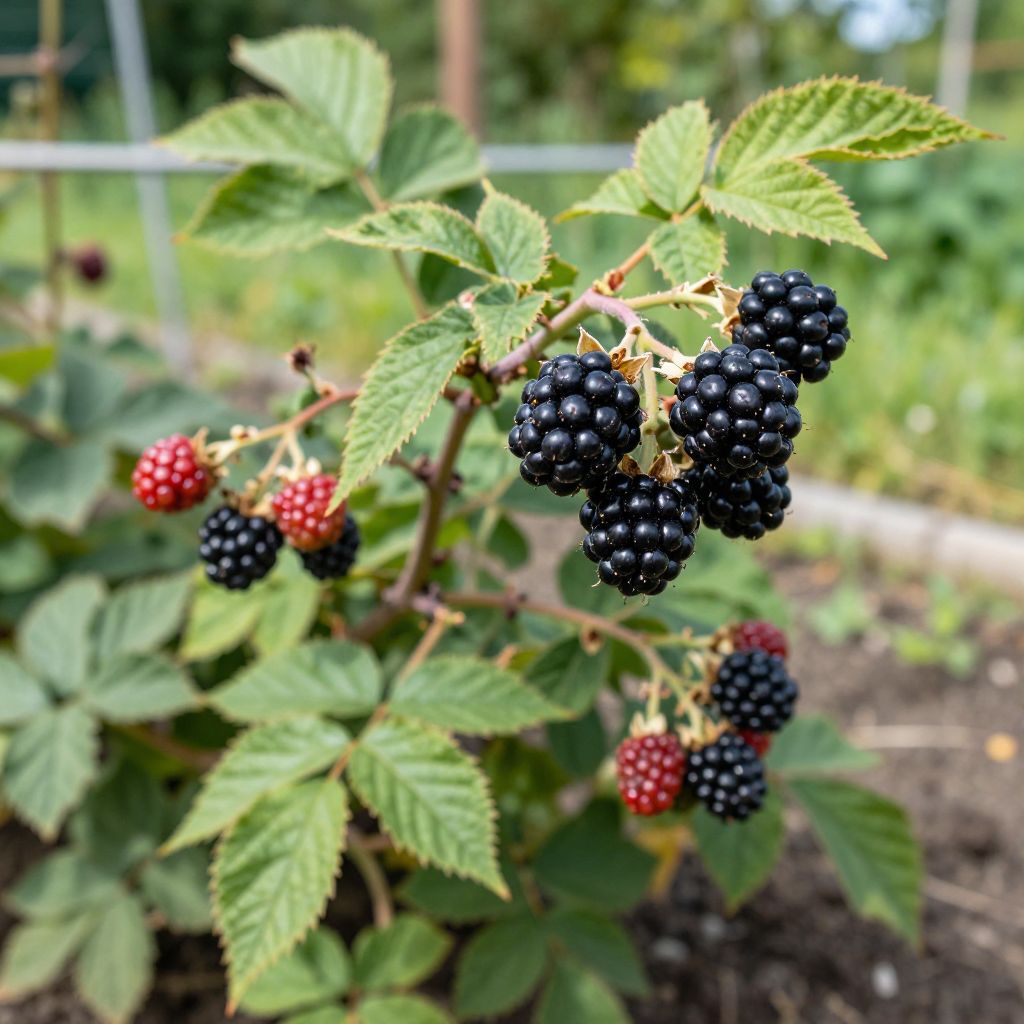
Wondering when is blackberry season so you can pick fruit at peak flavor or know when to expect harvest from your own plants? The answer depends on your climate, the blackberry type, and whether you’re growing early, midseason, or late cultivars. In most home gardens, blackberries ripen from late spring through late summer, with the heaviest picking often in midsummer.
If you’re growing blackberries, timing matters for more than harvest. It also affects pruning, watering, pest pressure, and how well the canes set fruit for next year. Knowing the season helps you plan for healthy plants and better berries.
When is blackberry season?
Blackberry season usually runs from late spring into late summer, but the exact window depends on your region and variety. In warm climates, berries may start ripening earlier; in cooler areas, harvest can begin later and stretch into early fall. Most home gardeners see the main crop in June through August.
What affects blackberry season?
Blackberries do not ripen on a fixed calendar date. Weather, sunlight, cane age, and cultivar all influence when fruit is ready. A plant in full sun with healthy canes will usually ripen earlier and more evenly than one growing in shade or stressed soil.
Climate and location
Your local climate is the biggest factor. In southern or mild coastal regions, blackberries may ripen weeks earlier than in northern or high-elevation gardens. Spring temperatures also matter: a warm spring can speed flowering and fruit set, while a cool spring can delay the season.
Type of blackberry plant
Different blackberry types fruit at different times. Some are early-season, some midseason, and some late-season. Erect, semi-erect, and trailing types may also behave differently in the garden, especially if they need trellising or winter protection.
Primocane vs. floricane fruiting
This is one of the most useful distinctions for gardeners. Floricane-fruiting blackberries produce berries on second-year canes, usually in summer. Primocane-fruiting blackberries can produce on first-year canes, often later in the season and sometimes again the following year on the same canes.
How to tell when blackberries are ripe
Blackberries are ready when they are fully black, plump, and easy to detach with a gentle tug. Ripe fruit should taste sweet with a little tartness. If the berry is still red, dull, or hard, it needs more time on the cane.
Signs of ripeness
- Fruit is uniformly black, not red or purple-black.
- The berry feels soft but not mushy.
- It pulls free easily without forcing.
- The drupelets look full and glossy.
- Flavor is balanced, not sharp or grassy.
What to avoid picking too early
Blackberries do not continue to sweeten much after harvest. If you pick them early, they may look dark but taste sour or bland. Wait for full color and easy release from the plant for the best flavor.
Seasonal blackberry growing guide
Growing blackberries well means matching care to the season. Their needs change from planting and cane growth to flowering, fruiting, and post-harvest pruning. A steady routine supports bigger harvests and healthier canes.
Spring: growth and flowering
In spring, blackberries push new canes and flower buds begin to develop. This is a good time to check trellises, remove winter damage, and keep weeds from competing around the base. If your soil is poor, a light top-dressing of compost can help improve structure.
Summer: ripening and harvest
Summer is peak blackberry season for most gardens. Keep plants evenly watered during fruit swell, especially in hot weather, because drought stress can reduce berry size and quality. Harvest every few days so ripe fruit does not over-ripen or attract pests.
Late summer to fall: pruning and cleanup
After harvest, remove spent floricanes that have finished fruiting. These canes will not produce again. Keep the strongest new canes for next year, and train them neatly so they have room to grow without crowding.
Best growing conditions for blackberries
Blackberries are adaptable, but they perform best when given the right site. Good sunlight, drainage, and airflow help you get an earlier, cleaner harvest with fewer problems.
Sunlight
Choose a site with full sun for the best flowering and fruiting. A little light afternoon shade may be acceptable in very hot climates, but heavy shade usually means fewer berries and a later season.
Soil and drainage
Blackberries prefer fertile, well-drained soil. They dislike waterlogged ground, which can weaken roots and encourage disease. If your soil is heavy clay, improve drainage with organic matter and consider planting on a raised bed or mound.
Soil pH and compost
Blackberries generally grow best in slightly acidic to neutral soil. Compost helps feed the soil and improve moisture retention without making it soggy. Mix compost into the planting area before planting, and refresh it lightly around established plants each year.
Planting and training blackberries for a better season
How you plant blackberries affects when they establish and how soon they fruit. Strong first-year growth leads to better second-year harvests for floricane types, while primocane types can reward good care sooner.
Planting basics
- Choose a sunny site with room for canes to spread.
- Clear perennial weeds before planting.
- Work compost into the planting area.
- Set plants at the same depth they were growing in the container or nursery row.
- Water thoroughly after planting.
- Mulch to conserve moisture and suppress weeds.
Training and support
Many blackberry plants benefit from a trellis or support system. Tying canes up improves airflow, makes harvesting easier, and keeps fruit cleaner. It also helps you separate old fruiting canes from new growth, which makes pruning simpler.
Watering blackberries during the season
Blackberries need consistent moisture, especially during flowering and fruit development. Dry spells can lead to smaller berries and uneven ripening, while too much water can cause root stress and disease.
Practical watering tips
- Water deeply rather than giving frequent shallow sprinkles.
- Keep the root zone evenly moist during bloom and fruit fill.
- Use mulch to slow evaporation.
- Avoid wetting the foliage if possible, especially in humid weather.
If you are unsure how often to water, check the soil a few inches down. Water when the soil feels dry at that depth, adjusting for rainfall, heat, wind, and soil type.
Pruning blackberries at the right time
Pruning is one of the biggest factors in blackberry season quality. The right cuts improve airflow, reduce disease, and help the plant put energy into productive canes.
Floricane-fruiting blackberries
After harvest, remove the canes that fruited this year. They are spent and will not bear again. Keep the new canes that grew this season, since those will carry next year’s crop.
Primocane-fruiting blackberries
These can be managed differently depending on your harvest goal. Some gardeners let them fruit on first-year canes in late summer or fall, then prune after harvest. Others adjust pruning to encourage a single, larger crop. Follow the growth habit of your specific plant.
Common pruning mistakes
- Leaving old canes in place too long.
- Cutting out new canes by accident.
- Allowing the patch to become overcrowded.
- Pruning without cleaning tools between plants when disease is present.
Pests and diseases that can affect blackberry season
Healthy plants ripen more reliably. Pests and diseases can delay harvest, reduce berry size, or make fruit unusable. Good sanitation and airflow are your best first defenses.
Common pests
Birds often become the biggest harvest thief once berries begin to color. Insects may also damage fruit or foliage depending on your region. Use netting where appropriate, and inspect plants regularly so problems are caught early.
Common diseases
Fungal issues are more likely in crowded, damp plantings. Avoid overhead watering, remove old canes promptly, and keep weeds down to improve air movement. If a plant repeatedly struggles, poor drainage or too much shade may be part of the problem.
How to harvest blackberries properly
Harvesting at the right time protects fruit quality and keeps the plant productive. Pick gently, because ripe blackberries bruise easily and can leak juice if handled roughly.
Harvest steps
- Check plants every few days during peak season.
- Pick only fully black, ripe berries.
- Use shallow containers so fruit is not crushed.
- Handle berries minimally.
- Cool harvested fruit soon after picking if you are not eating it right away.
Do not wash berries until you are ready to use them. Extra moisture shortens storage life and can make soft fruit spoil faster.
Can you extend blackberry season?
Yes, in a practical sense. You can stretch your harvest window by planting more than one variety with different ripening times. A mix of early, midseason, and late cultivars can give you berries over a longer period instead of a single short flush.
Best ways to lengthen harvest
- Plant varieties with staggered ripening times.
- Choose a site with full sun and good drainage.
- Prune correctly so canes stay productive.
- Keep plants watered during fruiting.
- Pick regularly to encourage clean harvests.
Quick troubleshooting if your blackberries are late
If your berries are not ripening when expected, look at the growing conditions first. The problem is often environmental rather than a failure of the plant itself.
Common reasons for delayed ripening
- Too much shade
- Cool or unusually wet weather
- Poor pollination or damaged flowers
- Overcrowded canes with weak airflow
- Stress from drought or waterlogged soil
- Wrong pruning timing
Start by improving sunlight exposure, removing dead or crowded canes, and keeping the root zone evenly moist. If the plant is young, it may simply need another season to establish before it produces heavily.
Conclusion: plan your blackberry season with the plant’s needs in mind
When is blackberry season? For most gardens, it falls between late spring and late summer, with the main harvest in midsummer. To get the best berries, match your care to the season: full sun, good drainage, steady moisture, timely pruning, and regular picking.
If you want to compare harvest timing in more detail, you may also find these guides helpful: when blackberries are in season and whether blackberries are in season now.