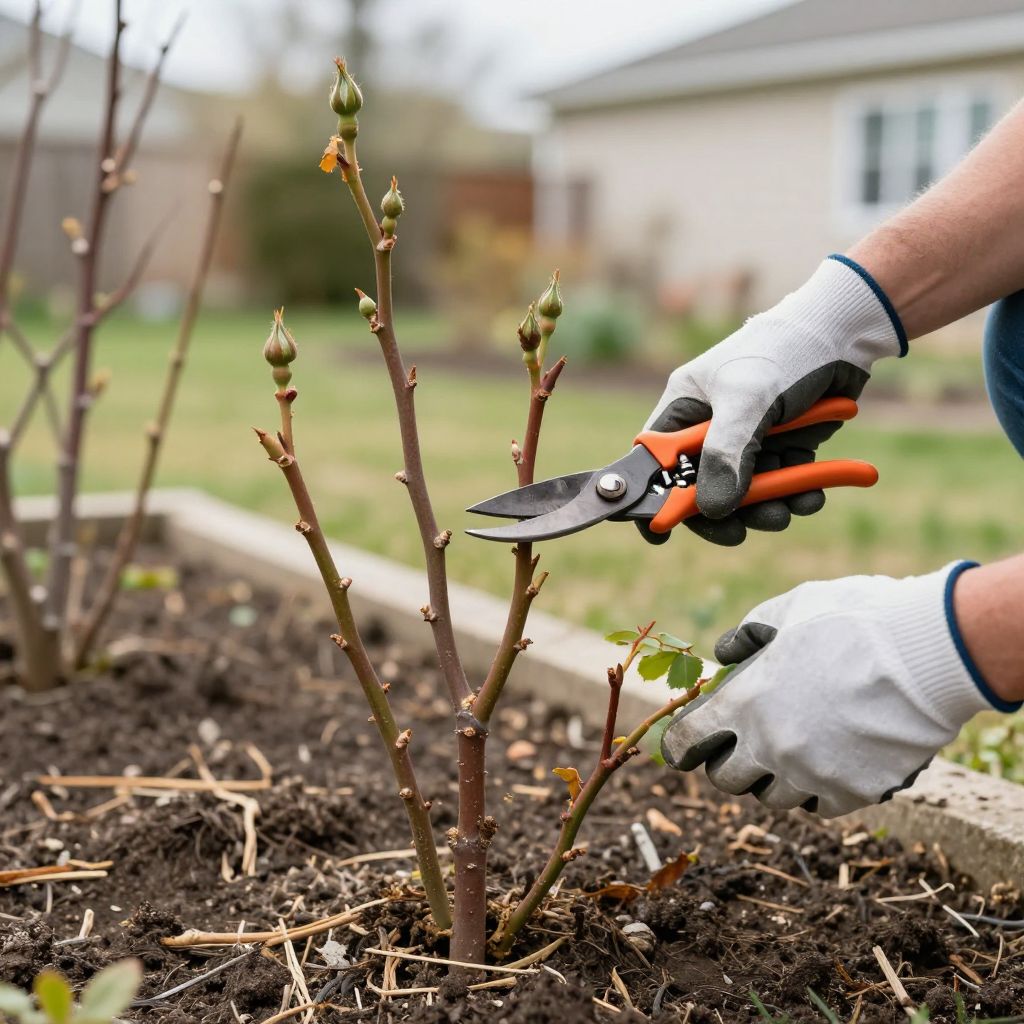
Wondering when to prune rose bushes so you don’t cut off next season’s flowers? The best timing depends on the type of rose, your climate, and how hard you want to prune. In general, most roses are pruned in late winter to early spring, just as buds begin to swell but before strong new growth starts.
Pruning at the right time helps roses bloom better, stay healthier, and keep a strong shape. If you prune too early, winter damage can affect fresh cuts; too late, and you may remove developing flower buds or stress the plant.
When To Prune Rose Bushes?
Prune most rose bushes in late winter or early spring, after the coldest weather has passed and before new growth becomes active. In mild climates, that may be January to March; in colder areas, it may be March to April. The best clue is swelling buds and the end of hard freezes.
Why pruning timing matters
Roses respond to pruning based on their growth cycle. Cutting at the right time encourages vigorous new canes, improves air circulation, and removes dead or weak wood before the plant invests energy in it.
Timing also matters because different rose types bloom on different wood. If you prune at the wrong season, you can reduce flowering, especially on old garden roses and once-blooming climbers.
What happens if you prune too early?
- Fresh cuts may be damaged by frost.
- Cold snaps can kill tender new buds.
- Plants may have to regrow lost wood before blooming.
What happens if you prune too late?
- You may remove flower buds already forming.
- The plant can become leggy and crowded.
- New growth may be delayed, especially in short seasons.
Best pruning time by rose type
Not all roses should be pruned the same way or at the same time. Knowing the type you grow helps you avoid cutting away the season’s flowers.
Hybrid tea, floribunda, and grandiflora roses
These repeat-blooming roses are usually pruned in late winter or early spring. They bloom on new growth, so a stronger spring pruning often leads to better flowering and a tidier plant.
Shrub roses
Many modern shrub roses can be lightly shaped in late winter or early spring. Some need only deadheading and occasional thinning, while others benefit from a more substantial cutback if they have become woody or overgrown.
Climbing roses
Climbing roses are often pruned less aggressively than bush roses. For repeat-blooming climbers, prune in late winter or early spring, but keep the main framework canes. For once-blooming climbers, prune after flowering, not before, or you may remove the next flush of blooms.
Old garden roses and once-blooming roses
These are often best pruned right after they finish flowering, since many bloom on old wood. Heavy winter pruning can reduce or eliminate blooms for that season.
How to tell when your rose bush is ready
Rather than relying only on the calendar, watch the plant and the weather. The right pruning window usually arrives when the worst cold has passed but before the rose has fully leafed out.
- Buds are swelling, but leaves are not fully open yet.
- Night temperatures are becoming more stable.
- Dead canes are easier to identify after winter damage.
- The plant is still dormant or only just waking up.
If you live in a region with unpredictable spring weather, wait until you are fairly confident the hardest freezes are over. A few light frosts are usually less concerning than pruning during a warm spell followed by a hard freeze.
How to prune rose bushes step by step
Good pruning is more about clean, thoughtful cuts than removing as much as possible. Start with the plant’s health, then shape it for airflow and flowering.
- Remove dead, damaged, or diseased wood first. Cut back to healthy green tissue or remove the cane entirely if it is dead.
- Take out crossing or rubbing canes. This reduces wounds and improves airflow through the center.
- Thin weak growth. Remove thin, spindly stems that won’t support strong blooms.
- Shorten remaining canes. Make cuts just above an outward-facing bud to encourage open growth.
- Shape the bush. Aim for a balanced, vase-like form that lets light reach the center.
Use sharp, clean bypass pruners for small canes and loppers for thicker stems. For very old, woody stems, a pruning saw may be needed.
How much should you cut back?
That depends on the rose and how vigorous it is. Many bush roses are cut back by about one-third to one-half in spring, but weak plants may need a lighter touch. Strong growers can handle more, while newly planted roses usually need only light shaping and removal of damaged wood.
Do not prune every rose the same way. A hard spring cut may be perfect for a vigorous hybrid tea but too severe for a once-blooming climber or an old-fashioned rose.
Pruning tips that help roses bloom better
Roses bloom best when the plant has strong canes, good light, and enough airflow. Pruning supports all three.
- Make cuts at a slight angle just above an outward-facing bud.
- Leave the center of the bush open so air can move through it.
- Remove suckers that grow from below the graft union on grafted roses.
- Cut back to healthy, green wood rather than leaving brown or hollow stubs.
- Disinfect tools if you are removing diseased canes.
If you are unsure whether a cane is alive, scratch the bark lightly with a fingernail or pruner tip. Green tissue underneath usually means the cane is still living; brown, dry tissue suggests dead wood.
Common pruning mistakes to avoid
Many rose problems after pruning come from cutting too much, cutting at the wrong time, or using dull tools. A careful approach prevents stress and unnecessary disease issues.
- Pruning during severe cold can expose fresh cuts to winter injury.
- Leaving stubs above buds can die back and invite disease.
- Using dull pruners crushes stems instead of making clean cuts.
- Removing too much old wood can reduce flowering on certain rose types.
- Ignoring dead or diseased canes allows problems to spread.
What to do after pruning
After pruning, give roses a little cleanup and support so they recover quickly. A healthy plant can push new growth fast once temperatures warm.
Aftercare checklist
- Remove fallen leaves and pruned canes from around the plant.
- Check mulch, but keep it a few inches away from the crown.
- Water deeply if the soil is dry, especially in spring winds or dry climates.
- Feed only if your soil and rose care plan call for it; avoid overfertilizing stressed plants.
- Watch for early pests such as aphids and for fungal issues if the weather stays damp.
If your roses often develop black spot, powdery mildew, or canker, pruning for airflow is especially helpful. Open plants dry faster after rain or dew, which can reduce disease pressure.
Should you prune roses in fall?
In most climates, heavy fall pruning is not the best idea. It can encourage tender growth that is vulnerable to winter damage. Instead, remove only broken, dead, or clearly diseased wood and wait for the main pruning until late winter or early spring.
In very windy areas, you can lightly shorten overly long canes in fall to prevent them from whipping and breaking, but keep the major pruning for the dormant season or just before spring growth begins.
How local climate changes the timing
Your region matters more than a fixed date on the calendar. Gardeners in mild coastal climates may prune earlier, while gardeners in colder inland areas should wait longer.
- Cold climates: prune after the danger of hard freezes has mostly passed.
- Mild climates: prune earlier, but still avoid cutting during a warm spell followed by cold weather.
- Short growing seasons: prune as soon as conditions are safe so plants have time to regrow and bloom.
- Very warm climates: roses may begin growing earlier, so watch buds closely rather than relying on winter dates alone.
Quick answer: the best timing in one sentence
For most rose bushes, prune in late winter to early spring, when the plant is still mostly dormant, the worst cold has passed, and buds are just starting to swell.
Conclusion
If you want healthier, better-blooming roses, start by pruning at the right time for your climate and rose type. Use clean tools, remove dead and crowded growth first, and shape the plant without overcutting it. Then watch for fresh buds and new canes as the season warms.
For more rose care help, you may also find it useful to read about what is the best fertilizer for roses and, for a different shrub pruning schedule, when to prune rose of sharon.