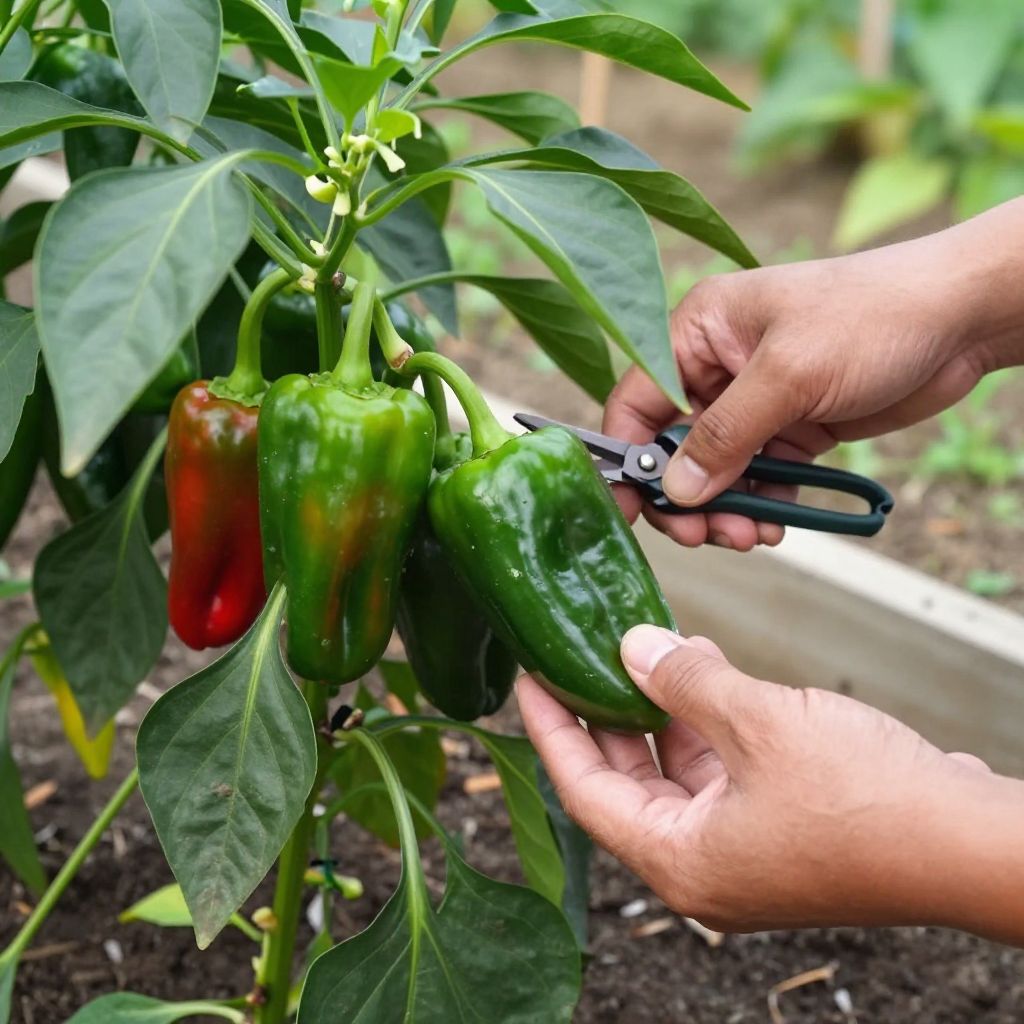
Wondering when to harvest jalapenos so they have the best flavor, heat, and texture? The right picking time depends on what you want from the pepper: green and crisp, or fully ripe and hotter. Jalapeños can be harvested at more than one stage, but timing matters for taste, plant productivity, and fruit quality.
If you pick too early, the peppers may be smaller and less developed. If you wait too long, the skin can start to soften, discolor, or split, especially in hot or wet weather. The good news is that jalapeños give clear visual cues when they are ready.
When To Harvest Jalapenos?
Harvest jalapeños when they are firm, glossy, and fully sized for the variety, usually about 2 to 4 inches long, with a deep green color. For a milder pepper, pick them green; for more heat and sweetness, let them ripen until they turn red. Use scissors or pruners to avoid damaging the plant.
How to Tell Jalapeños Are Ready
Size alone is not the only sign. A jalapeño is ready when it feels thick, smooth, and firm, and the skin has a healthy shine.
Key ripeness signs
- Length: Many jalapeños are ready at 2 to 4 inches, though some varieties may be a bit larger or smaller.
- Color: Dark green is the usual harvest stage; red means the pepper is fully ripe.
- Texture: The pepper should feel firm, not soft or wrinkled.
- Skin: A glossy surface usually indicates good quality.
- Corking: Small tan lines or cracks can appear as peppers mature; this is normal and often seen on well-developed fruit.
Do not rely on color alone if you are growing a specialty variety. Some jalapeños stay green longer, while others may ripen faster depending on weather and plant stress.
Green vs. Red Jalapeños: Which Should You Pick?
Both stages are useful, but they are not exactly the same pepper. Green jalapeños are typically firmer and more vegetal in flavor, while red jalapeños are fully ripe and usually taste sweeter and hotter.
Choose green jalapeños if you want:
- A crisp texture
- Milder heat
- Frequent harvesting that encourages more fruit set
Let them turn red if you want:
- More mature flavor
- Higher heat intensity
- Seeds for saving, if the plant is open-pollinated and healthy
If you want both, harvest some peppers green and leave a few on the plant to ripen. This is a practical way to balance production and flavor.
How to Harvest Jalapeños Without Damaging the Plant
Use clean scissors, garden snips, or pruning shears rather than pulling the pepper by hand. Jalapeño stems can tear, and rough harvesting can damage nearby flowers and developing fruit.
- Inspect the plant and choose peppers that look fully sized and firm.
- Hold the pepper gently with one hand.
- Cut the stem about 1/4 inch above the fruit.
- Place harvested peppers in a basket or shallow container to avoid bruising.
Try to harvest in the morning after dew has dried. Peppers are often firmer then, and the plant is less stressed than during the hottest part of the day.
How Often Should You Pick Jalapeños?
Check plants every few days once they start producing. Regular harvesting often encourages the plant to keep flowering and setting new fruit.
If peppers are left on the plant too long, production can slow down because the plant puts more energy into ripening existing fruit instead of making new ones. In warm weather, a productive plant may need picking every 2 to 5 days.
What to do if you want more peppers
- Harvest mature green peppers promptly.
- Remove overripe or damaged fruit.
- Keep the plant watered evenly so flowers and young fruit are less likely to drop.
- Feed lightly if the plant is growing in poor soil, but avoid too much nitrogen, which can favor leaves over fruit.
What Happens If You Harvest Too Early or Too Late?
Timing affects both flavor and the plant’s performance. Picking too early usually gives you smaller, less developed peppers. Waiting too long can lead to softer flesh, more seed development, and a higher chance of splitting or pest damage.
If you harvest too early:
- Flavor may be less developed
- Heat may be lower
- Fruit size may be smaller than expected
If you harvest too late:
- Peppers may become softer or wrinkled
- Skin may crack in wet weather
- Insects and birds may target ripe fruit
- The plant may slow down new production
For most home gardeners, the best approach is to harvest when the pepper has reached usable size and firmness, then let a few fruits ripen fully if you want red jalapeños.
Growing Conditions That Affect Harvest Timing
Harvest timing is influenced by sunlight, temperature, water, and plant health. A jalapeño plant in full sun with warm days and steady moisture will usually mature faster than one in partial shade or cool soil.
Sunlight and temperature
Jalapeños generally perform best with plenty of direct sun and warm conditions. Cool nights can slow ripening, while excessive heat can reduce flowering or cause blossoms to drop.
Watering and soil
Uneven watering can cause fruit problems and delay ripening. Keep the soil evenly moist, not soggy, and make sure the planting area drains well. Heavy, waterlogged soil can stress roots and reduce fruit quality.
Compost and nutrients
Rich soil with compost supports healthy growth, but too much nitrogen can create lush foliage with fewer peppers. If plants look vigorous but are not setting fruit well, the issue may be excess leaf growth rather than a harvest problem.
Common Harvesting Problems and How to Fix Them
Sometimes peppers look ready but still disappoint. Most issues can be traced back to weather, plant stress, or pests.
Small peppers
If peppers stay small, the plant may be underfed, crowded, or not getting enough sun. Make sure the plant has room, consistent moisture, and enough light.
Blossom end rot or soft spots
This is often linked to inconsistent watering and calcium uptake issues. Keep moisture even and avoid letting the soil dry out completely between waterings.
Cracked fruit
Cracking can happen after heavy rain or irregular watering. Harvest mature peppers promptly when wet weather is expected.
Pest damage
Check for aphids, caterpillars, and pepper weevils where common. Remove damaged fruit and inspect leaves regularly so you can act early.
Can You Harvest Jalapeños After They Turn Red?
Yes. Red jalapeños are fully ripe and still usable. In fact, many gardeners prefer them for their richer flavor and stronger heat. The plant may continue producing if conditions are favorable, but ripe fruit left too long can become overmature.
If you want to save seeds, choose healthy, fully ripe red peppers from a vigorous plant. Avoid saving seed from diseased or weak plants.
Best Tools for Harvesting
You do not need much equipment, but the right tool makes harvesting cleaner and easier.
- Hand pruners or snips: Best for clean cuts
- Small basket or bowl: Helps prevent bruising
- Gloves: Useful if you are sensitive to pepper oils
Wash your hands after handling peppers, especially before touching your eyes or face. Even mild jalapeños can irritate sensitive skin.
Simple Harvest Checklist
Before you pick, use this quick check:
- Fruit is full-sized for the variety
- Skin is glossy and firm
- Color is deep green, or red if fully ripe fruit is desired
- Stem is cut cleanly, not pulled
- Plant still has healthy leaves and flowers for future production
Conclusion: The Best Time Is the Stage You Want
When to harvest jalapenos depends on your taste and goals. Pick them green for a classic crisp pepper, or wait until they turn red for a hotter, sweeter result. Check plants often, harvest with clean snips, and keep the plant watered and healthy so it keeps producing.
If you want to compare ripeness cues across pepper types, you may also find when to pick jalapenos and when to harvest bell peppers helpful for timing your harvests more confidently.