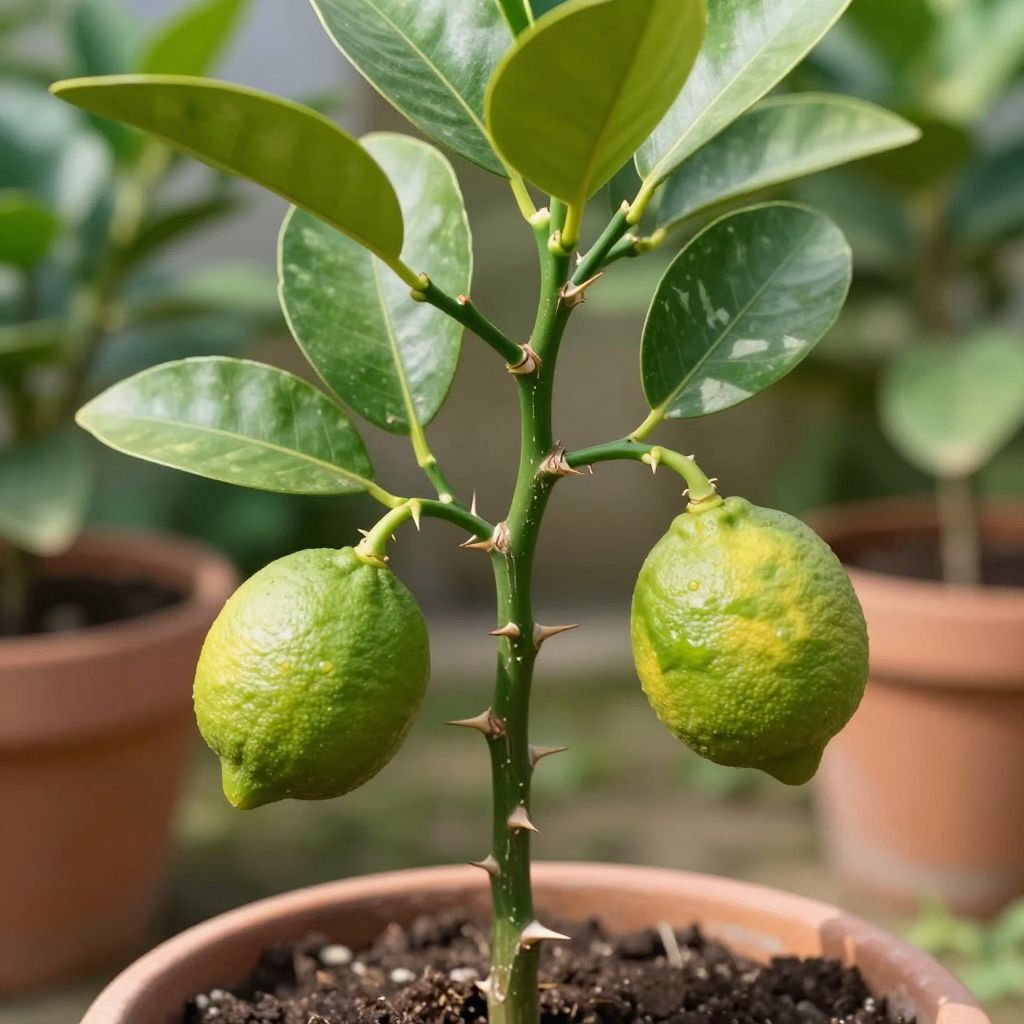
Do lemon trees have thorns? Yes, many lemon trees do, especially when they are young or growing vigorously. The thorns can be small and sharp, and some varieties are much thornier than others. If you are planting, pruning, or harvesting a lemon tree, it helps to know what is normal so you can handle the plant safely and avoid mistaking thorns for disease or damage.
Thorns are usually a natural part of citrus growth, not a sign that something is wrong. In most cases, they become less noticeable as the tree matures, but they can still appear on new shoots and on certain rootstock or seed-grown trees.
Do lemon trees have thorns?
Yes. Lemon trees commonly have thorns on young branches, new growth, and sometimes on mature wood. Thorniness varies by cultivar, age, and growing conditions. A tree grown from seed is often more thorny than a grafted nursery tree, and fast, lush growth can produce more thorns.
Why lemon trees grow thorns
Thorns are a natural defense. In citrus, they help protect tender growth from browsing animals and physical damage. You will usually see the most thorns on vigorous shoots, water sprouts, and juvenile growth, especially after hard pruning or strong fertilizing.
What affects thorniness
- Tree age: Younger lemon trees are usually thornier than established trees.
- Variety: Some lemon types naturally have more thorns than others.
- Propagation method: Seed-grown trees often stay thornier longer than grafted trees.
- Growth rate: Rapid, leafy growth often comes with more thorns.
- Pruning: Heavy pruning can trigger thorny new shoots.
Are thorns on lemon trees normal?
Yes, thorns are normal on lemon trees. In fact, many citrus growers expect them. What matters is whether the tree is otherwise healthy. If the leaves are green, growth is steady, and the stems are firm, thorns alone are not a problem.
When thorns may be more noticeable
- On nursery trees that are still juvenile
- After pruning, when the tree pushes out new shoots
- On suckers or shoots from below the graft union
- On stressed trees that respond with vigorous, thorny growth
How to tell normal thorns from a problem
Thorns themselves are not usually a warning sign, but the rest of the plant should look healthy. If you see yellowing leaves, dieback, sticky residue, leaf curling, or distorted new growth along with lots of thorns, look for pests, watering issues, or nutrient imbalance.
Check the tree for these common issues
- Scale or aphids: Sticky honeydew, ants, or curled leaves
- Overwatering: Soft growth, yellow leaves, poor drainage, or root decline
- Underwatering: Wilting, dry soil, leaf drop, and weak growth
- Nutrient stress: Pale foliage or poor fruiting
- Sun stress: Scorched leaves on exposed trees in hot climates
How to care for a thorny lemon tree
Thorny or not, lemon trees need the same basic care: plenty of sun, well-drained soil, and consistent moisture without soggy roots. Good growing conditions reduce stress and help the tree mature into a stronger, easier-to-manage plant.
Planting and soil
Plant lemon trees in loose, fertile soil that drains well. Citrus roots dislike sitting in water, so avoid heavy clay unless you improve drainage with organic matter and choose a raised bed or mound if needed.
- Use compost to improve soil structure, but do not bury the trunk.
- Keep the graft union above the soil line on grafted trees.
- Mulch lightly, leaving a gap around the trunk to prevent rot.
Sunlight and spacing
Lemon trees perform best in full sun. Outdoors, give them a location with strong light and good air movement. Indoors, place them in the brightest window you have, or supplement with grow lights if natural light is limited.
Give the tree enough space to spread. Crowding makes pruning harder and increases the chance of scratching yourself on thorns when you work around the canopy.
Watering
Water deeply, then let the top layer of soil begin to dry before watering again. The exact timing depends on heat, wind, container size, soil type, and tree age. Containers dry faster than in-ground trees, especially in warm weather.
- Check soil with your finger before watering.
- Water slowly so moisture reaches the root zone.
- Do not let pots sit in standing water.
Feeding
Lemon trees need regular nutrition during active growth, but too much nitrogen can encourage dense, thorny shoots at the expense of flowers and fruit. Feed according to the product label and your local growing season, and avoid overfertilizing stressed trees.
Pruning thorny lemon trees safely
Pruning is often necessary to shape the tree, improve airflow, and remove dead or crossing branches. Because lemon thorns can be sharp, use gloves and long sleeves, and work carefully around the canopy.
Safe pruning tips
- Wear thick gloves and eye protection.
- Use clean, sharp hand pruners for small stems.
- Use loppers for thicker branches.
- Remove dead, damaged, or inward-growing wood first.
- Cut back suckers from below the graft union promptly.
Do not remove too much at once. Heavy pruning can trigger a flush of vigorous, thorny growth. Light, regular shaping is usually easier on the tree and easier on you.
How to reduce thorny regrowth
- Avoid severe cutting back in one season.
- Train young trees gradually.
- Remove water sprouts early while they are small.
- Keep the tree healthy so it grows steadily instead of in bursts.
Harvesting lemons without getting scratched
When fruit is ready, thorns can make picking awkward, especially on crowded branches. Use clippers rather than pulling fruit by hand, since tugging can tear the stem and scratch nearby leaves and skin.
Harvesting tips
- Wear gloves with a snug fit for better control.
- Use bypass pruners or snips to cut fruit cleanly.
- Hold the branch gently out of the way before cutting.
- Watch for hidden thorns on interior shoots.
If your tree is very thorny, consider thinning a few interior twigs during the right season to make future harvests easier. Keep cuts modest so you do not shock the tree.
Indoor vs. outdoor lemon trees
Indoor lemon trees often become leggy if light is weak, and that can lead to thorny shoots as the plant stretches for brightness. Outdoor trees usually develop stronger structure, but they may also produce more thorns after pruning or vigorous seasonal growth.
For indoor trees
- Give as much direct light as possible.
- Rotate the pot so growth stays even.
- Watch for dry indoor air, which can stress the plant.
- Inspect new shoots regularly for pests.
For outdoor trees
- Protect young trees from wind and physical damage.
- Mulch to moderate soil moisture.
- Prune to keep branches accessible for maintenance.
- Check for sunburn if the tree was recently moved or heavily pruned.
Common problems that can look like thorn issues
Sometimes gardeners focus on the thorns when the real issue is elsewhere. If the tree is thorny and struggling, inspect the whole plant before changing care.
Possible causes of poor growth
- Root stress: Poor drainage or pot-bound roots can weaken the tree.
- Cold damage: Citrus is sensitive to frost and chilly winds.
- Pests: Scale, aphids, spider mites, and leaf miners can distort growth.
- Improper pruning: Too much cutting can cause a burst of thorny shoots.
If you suspect a pest problem, check the undersides of leaves and the tender tips of shoots. Treat early, and avoid spraying blindly if you have not identified the pest.
Can you remove thorns from a lemon tree?
You can trim off individual thorns if they are in the way, but you cannot remove the plant’s tendency to make them. Snipping every thorn is usually unnecessary and can create extra wounds. It is better to manage the tree through careful pruning and good growing conditions.
If a branch is repeatedly thorny and awkward, consider removing the whole branch if it is poorly placed, crossing another limb, or growing inward. Make the cut cleanly and do not leave a stub.
Simple checklist for a healthier, easier lemon tree
- Choose a sunny site or the brightest indoor spot available.
- Plant in well-drained soil or a free-draining container mix.
- Water consistently, but never let roots stay soggy.
- Prune lightly and regularly instead of severely.
- Wear gloves when working around young shoots and fruit.
- Inspect for pests and stress whenever growth looks unusual.
Conclusion
So, do lemon trees have thorns? Yes, and that is usually perfectly normal. The best approach is not to worry about the thorns themselves, but to give the tree strong light, good drainage, steady care, and careful pruning so it stays healthy and manageable. If you are planning your next citrus project, you may also want to read about how lemons grow on trees and when to fertilize citrus trees.