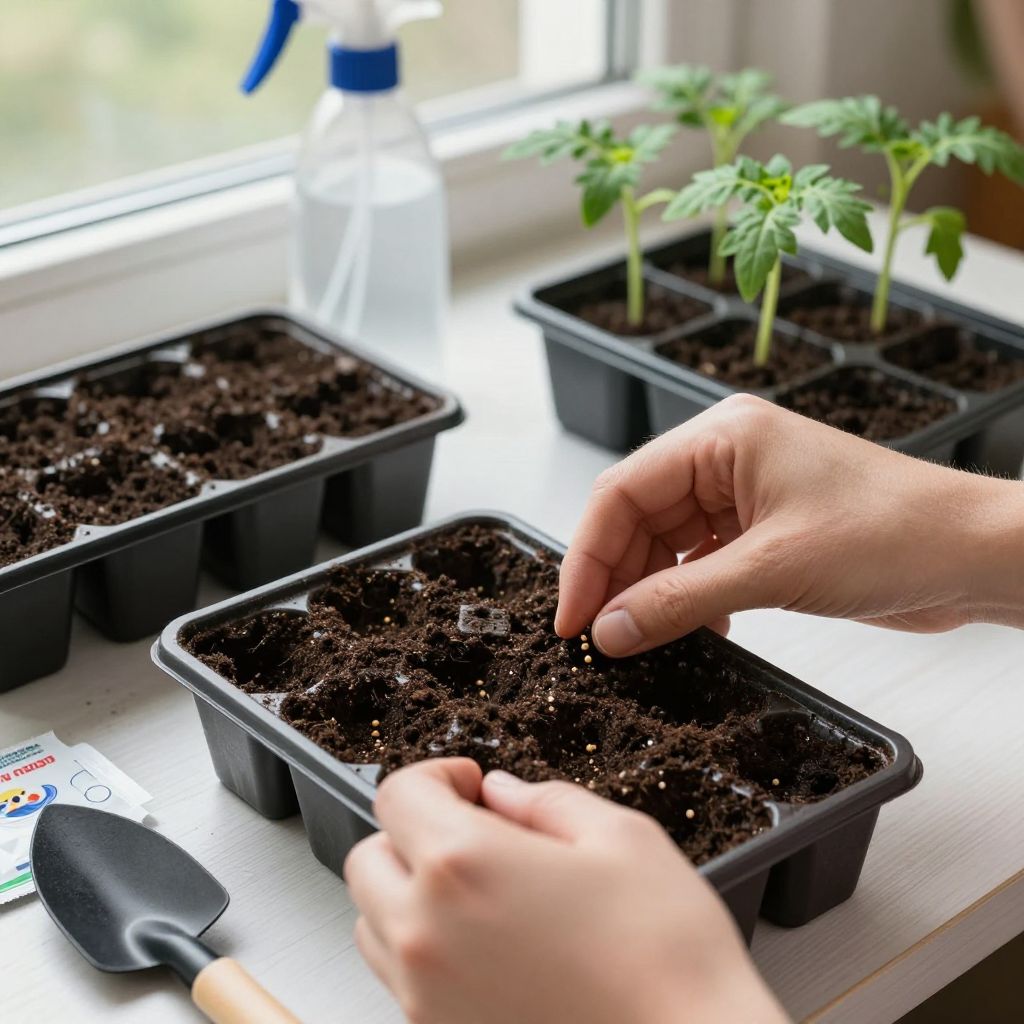
Wondering when to plant tomato seeds indoors so your seedlings are ready at the right time? The best timing depends on your last expected frost date and how long your tomato variety needs to reach transplant size. In most climates, start seeds indoors 6 to 8 weeks before you plan to move them outside.
That window gives seedlings enough time to grow sturdy without becoming tall, rootbound, or stressed. If you start too early, they may outgrow their containers before outdoor conditions are safe; too late, and you may lose valuable growing time.
When to plant tomato seeds indoors?
Start tomato seeds indoors about 6 to 8 weeks before your area’s last expected spring frost. In cooler climates, this may mean late winter to early spring; in warmer regions, it can be earlier or later depending on your transplant date. Adjust the timing based on your local frost risk and the variety’s maturity.
How to choose the right indoor sowing date
The calendar date matters less than your local conditions. Tomatoes are warm-season plants, and young seedlings should not be transplanted outdoors until nights are reliably mild and frost danger has passed.
Use your last frost date as the starting point
Count backward from your average last frost date:
- 6 to 8 weeks before last frost for most tomato varieties
- 8 to 10 weeks before last frost only if you have a short growing season or slow-growing varieties
- 4 to 6 weeks before last frost if your indoor space is limited or you want smaller, easier-to-handle transplants
If you do not know your last frost date, check a local extension service, seed packet guidance, or a trusted regional planting calendar. Local weather patterns are more useful than a generic national date.
Consider your tomato variety
Different types mature at different speeds. Early varieties may be ready sooner, while large beefsteak types often need more time. Seed packets usually list days to maturity, which helps you estimate how long seedlings need before transplanting.
Tip: If you are growing tomatoes in a short-season climate, choose varieties with shorter maturity times and start them on the earlier side of the 6- to 8-week window.
What you need before sowing tomato seeds indoors
Good seedlings start with the right setup. Tomatoes need warmth, light, and a clean, well-draining growing medium to germinate and develop strong roots.
- Seed-starting mix or fine, sterile potting mix
- Small pots, trays, or cell packs with drainage holes
- A bright south-facing window or grow light
- A warm indoor location for germination
- A tray or saucer to catch excess water
- Labels for variety names and sowing dates
Use seed-starting mix rather than heavy garden soil. It drains better, reduces disease risk, and helps delicate roots spread easily.
How to plant tomato seeds indoors step by step
Tomato seeds are easy to start indoors if you give them consistent moisture and warmth. Follow these basic steps for reliable germination.
- Fill containers with moist seed-starting mix, leaving a little space at the top.
- Plant seeds about 1/4 inch deep.
- Cover lightly with mix and press gently.
- Water carefully so the mix stays evenly moist, not soggy.
- Keep containers warm, ideally around 70 to 80°F for germination.
- Move seedlings to bright light as soon as they emerge.
Seeds usually sprout in about 5 to 10 days under warm conditions, though cooler temperatures can slow them down. Once seedlings appear, remove any humidity cover or plastic dome so excess moisture does not encourage damping-off disease.
Light, heat, and moisture for healthy seedlings
Tomato seedlings need strong light and moderate moisture to stay compact and healthy. Weak light is one of the most common reasons indoor tomatoes become tall and floppy.
Give seedlings enough light
If you use a sunny window, rotate trays every day so plants do not lean toward the light. In many homes, grow lights produce sturdier seedlings because they provide more consistent brightness.
Keep lights close enough to support compact growth, but not so close that they scorch leaves. As seedlings grow, raise the light gradually.
Keep the soil moist, not wet
Water when the surface begins to dry, but do not let containers sit in standing water. Overwatering can slow growth and increase disease problems.
Important: Tomato seedlings do best with steady moisture and good drainage. A soggy mix is far more harmful than a slightly dry surface.
When to pot up tomato seedlings
Move seedlings into larger pots when they have their first true leaves and begin to fill their original containers. This gives roots more room and helps prevent stunting.
- Transplant carefully by the leaves, not the stem
- Set seedlings slightly deeper than before if they are leggy
- Use fresh potting mix with good drainage
- Water after potting to settle the roots
If seedlings become too tall indoors, you can plant them deeper when repotting. Tomatoes can form roots along buried stems, which helps create stronger plants.
How to avoid common indoor tomato seed-starting mistakes
Most problems with indoor tomato seedlings come from timing, light, or moisture issues. A few simple adjustments can prevent weak plants before they start.
Starting too early
Seeds started too soon may become leggy, rootbound, or difficult to manage before outdoor planting time. If your spring is still cold, seedlings can outgrow their space long before they are ready to transplant.
Not enough light
Thin stems and stretched growth usually mean the seedlings need stronger light. Move them closer to a bright source or use grow lights for more consistent results.
Overwatering
Constantly wet soil can cause poor root development and disease. Let the top of the mix dry slightly between waterings, and make sure containers drain freely.
Using the wrong soil
Heavy garden soil can compact indoors and suffocate roots. A light seed-starting mix is much better for germination and early growth.
When tomato seedlings are ready to transplant outdoors
Tomato seedlings are usually ready to move outside when they are sturdy, have several sets of true leaves, and the weather is warm enough. They should be about 6 to 10 inches tall, though size alone is not the only factor.
Before planting outdoors, harden off seedlings for 7 to 10 days. Start with a few hours of shade or filtered sun, then gradually increase exposure to outdoor light, wind, and temperature changes.
- Wait until frost risk has passed
- Choose a day with mild weather if possible
- Plant in well-drained soil enriched with compost
- Set plants with enough spacing for air circulation
Tomatoes grow best in full sun, with at least 6 to 8 hours of direct light each day. Good spacing and airflow help reduce disease pressure later in the season.
Growing tips for strong tomato transplants
Healthy indoor seedlings make the transition to the garden more smoothly. A few maintenance steps can help them stay compact and productive.
Feed lightly after true leaves appear
Once seedlings are growing well, you can use a diluted, balanced fertilizer if needed, but avoid overfeeding. Too much nitrogen can produce lush leaves and weak stems.
Support upright growth
If seedlings lean or stretch, increase light and rotate trays. Strong air movement from a small fan can also help stems grow sturdier, as long as it is gentle.
Watch for pests and disease
Indoor tomatoes can occasionally attract fungus gnats or develop damping-off if conditions stay too wet. Clean trays, fresh mix, and careful watering reduce the risk.
Quick timing guide for indoor tomato seeds
If you want a simple rule, use this:
- Start seeds 6 to 8 weeks before your last frost date.
- Use warmth to speed germination.
- Give seedlings strong light immediately after sprouting.
- Pot up if roots fill the container.
- Harden off before transplanting outdoors.
That schedule works well for most home gardeners, but your local climate still matters. In a mild region, you may transplant earlier; in a colder one, you may need a longer indoor growing period and extra protection outdoors.
Conclusion
The best time to plant tomato seeds indoors is usually 6 to 8 weeks before your last expected frost date. From there, focus on warmth, bright light, careful watering, and timely transplanting so your seedlings stay compact and healthy. If you are planning this year’s garden, check your frost date now and count backward to set your sowing day.
For more help with tomato care after planting, you may also want to read about how to harden off seedlings and growing tomatoes in containers.